
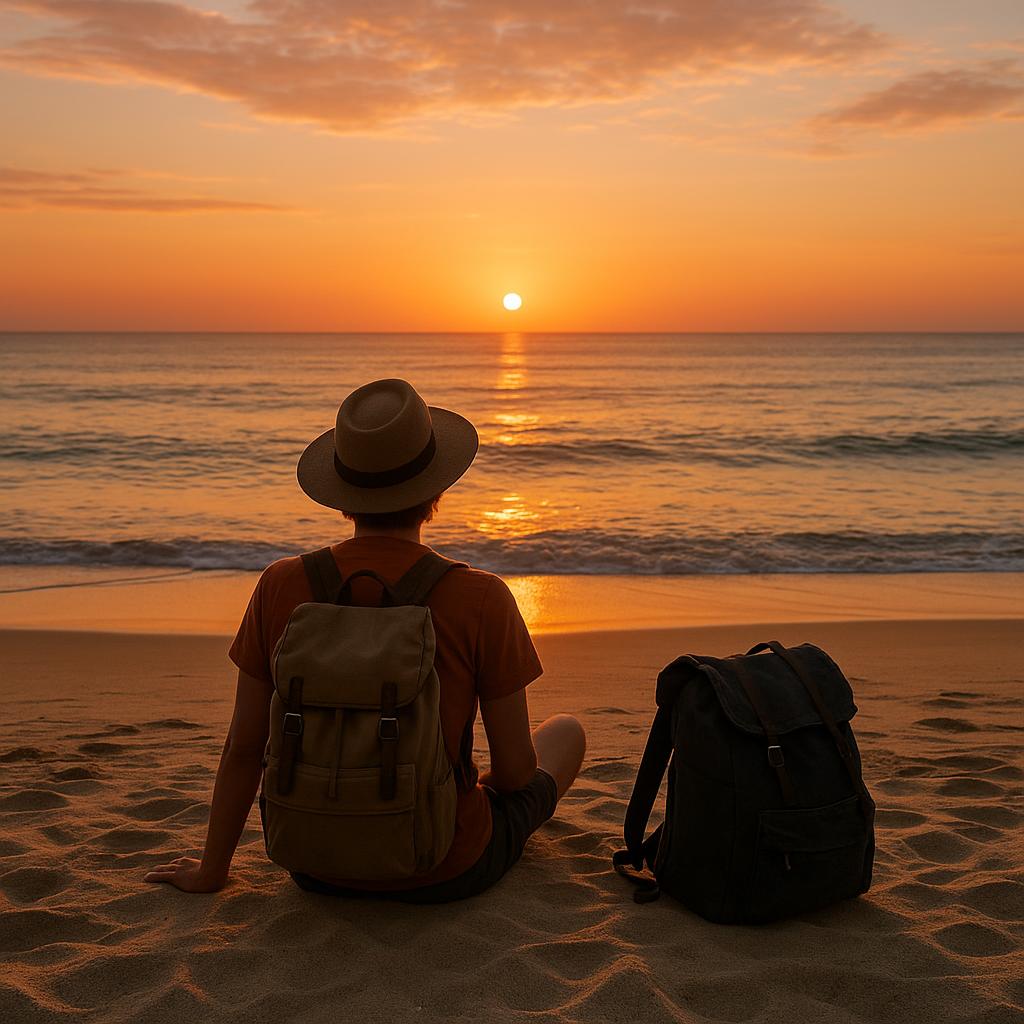
Quick Answer
- Start simple: choose a familiar destination well-suited for solo travel.
- Set basic priorities: budget, timing, and safety.
- Plan essentials only: accommodation, transport, key activities.
- Use tools and trusted sources to avoid overwhelm.
- Embrace flexibility and enjoy the experience.
Key Takeaways
- Overplanning can hinder the joy of solo travel keep plans straightforward.
- Focus on critical aspects: where, when, how, and what to do.
- Leverage simple step-by-step planning frameworks for beginners.
- Prepare for common challenges and avoid typical mistakes.
- Reflection and adaptability enhance the overall trip experience.
Introduction: Why Solo Trips and Why Overthinking Can Hold You Back
- Solo travel is growing in popularity for self-discovery, freedom, and gaining new perspectives.
- Beginners often face anxiety due to overthinking logistics, safety, or the unknown.
- This guide aims to simplify solo trip planning, offering clear, actionable steps without overwhelm.
How Do You Choose a Solo Travel Destination Without Overthinking?
Start by selecting a destination known for safety and hospitality, ideally where language or cultural barriers are manageable. Focus on what interests you—nature, culture, or city life—and narrow your choices to one or two places to avoid decision fatigue.
- Research safety indexes and traveler reviews from trusted travel forums or websites.
- Consider destinations with established infrastructure for solo travelers like reliable transport and accommodations.
- Prioritize destinations that align with your comfort zone to build confidence.
What Are the Essential Planning Steps You Should Focus On?
Step 1: Decide Your Travel Dates and Budget
Set a clear budget that fits your means and choose dates that avoid work stress or extreme weather. This reduces pressure and helps streamline choices.
Step 2: Book Accommodations Early
Choose safe, solo-friendly accommodations such as hostels with private rooms, guesthouses, or reputable hotels. Use trusted booking platforms like Booking.com for dependable options.
Step 3: Plan Your Transportation
Secure your main travel tickets early—flights or trains—and research local transport modes to ease your arrival and daily mobility. Avoid complicated connections that increase stress.
Step 4: Identify a Few Key Activities
Focus on 2-3 experiences that genuinely excite you, such as museums, hikes, or cultural workshops. Let there be time for spontaneous discoveries.
Step 5: Prepare Essential Documents and Safety Measures
Ensure your passport, visas, and travel insurance are sorted before departure. Share your trip details with a trusted person, and pack a basic emergency kit.
Can You Have Examples of Simple Solo Trip Plans for Beginners?
- City Break: A 3-day stay in a European capital featuring guided tours, local cafés, and a city walking route.
- Beach Getaway: Five days at a coastal town with relaxed days on the beach and easy local excursions.
- Cultural Immersion: A seven-day visit to a safe cultural hub exploring museums, markets, and hands-on workshops.
What Common Pitfalls Should New Solo Travelers Avoid?
- Aiming to cram too many activities, leading to burnout.
- Neglecting local safety advice and customs.
- Overpacking, creating heavier burdens on the move.
- Skipping essential planning such as travel insurance or emergency contacts.
- Getting stuck in endless planning rather than taking action.
FAQs (Frequently Asked Questions)
- Is solo travel safe for beginners? Yes, with appropriate destination choice, safety awareness, and preparation.
- How to handle loneliness during a solo trip? Engage in group activities, stay in social accommodations, or use local events to meet people.
- What technology apps help solo travelers? Navigation apps, language translators, safety alert apps, and itinerary planners are useful.
- How much should I pack for a solo trip? Pack light with essentials to keep mobility easy and reduce stress.
- Should I get travel insurance for a short solo trip? Yes, even short trips carry risks; insurance adds peace of mind.
- What if I change my mind during the trip? Flexibility is key; solo travel allows you to adapt plans based on mood or new discoveries.
- How do I stay connected safely when traveling alone? Use reliable travel SIMs or eSIMs and establish check-in routines with contacts.
Conclusion: Embrace Simplicity and Flexibility for a Successful Solo Trip
- Solo travel centers on personal growth and enjoyment rather than flawless planning.
- Use plans as guides, not rigid rules, to keep logistics manageable.
- Stay open to new experiences that may deviate from your plan.
- Your first solo trip lays the foundation for enriching, future travels.
Planning Checklist for Beginners
- Choose one or two safe, solo-friendly destinations.
- Set travel dates aligned with work and personal commitments.
- Create a realistic budget covering all trip costs.
- Book accommodations early through trusted platforms.
- Purchase transport tickets and confirm schedules.
- Select 2-3 key activities and leave free time.
- Prepare passport, visa, travel insurance documents.
- Inform a trusted person of your itinerary.
- Pack light with essentials and emergency kit.
- Download useful travel apps for navigation and communication.