
Quick Answer
- Define your travel goals and budget.
- Research destinations that suit your interests and safety needs.
- Plan logistics including transportation and accommodation.
- Prepare your itinerary with flexibility for spontaneity.
- Take necessary safety precautions and pack smart.
Key Takeaways
- Effective solo trip planning balances thorough preparation with openness to new experiences.
- Prioritizing safety and budgeting enhances the solo travel experience.
- Research and organization reduce stress and increase enjoyment during your trip.
- Flexible planning allows adapting to unexpected opportunities or challenges.
- Solo travel offers unique personal growth opportunities when approached thoughtfully.
Introduction
Solo travel is an empowering way to explore the world and nurture personal growth. However, the key to a rewarding solo trip is careful planning that ensures smooth logistics, safety, and enjoyment. This guide provides clear answers to the most common questions and a step-by-step approach to solo trip planning.
Step 1: Define Your Travel Goals and Budget
Before you book anything, clarify your travel objectives. Are you seeking relaxation, adventure, cultural immersion, or a mix? Clear goals help streamline decisions and packing. Concurrently, establish a realistic budget covering transportation, accommodation, food, activities, and an emergency fund. This financial roadmap prevents unwanted stress and overspending later.
Step 2: Choose the Right Destination
Selecting a destination should align with your interests, safety requirements, and accessibility. Research climate for the season of travel, language barriers, cultural norms, and how friendly the locale is to solo travelers. For instance, Japan is renowned for safety and cultural richness, whereas some areas may pose language or safety challenges. Websites like the U.S. Department of State or specialized travel community forums provide up-to-date safety info.
Step 3: Plan Transportation and Accommodation
Booking your flights, trains, or buses in advance usually secures better prices and peace of mind. Choose accommodation options that match your comfort and social preferences. If you wish to meet others, hostels or guesthouses are ideal; for more solitude, hotels or vacation rentals work better. It’s critical that your lodging offers adequate security features. For hotel bookings, use reliable platforms like this trusted service.
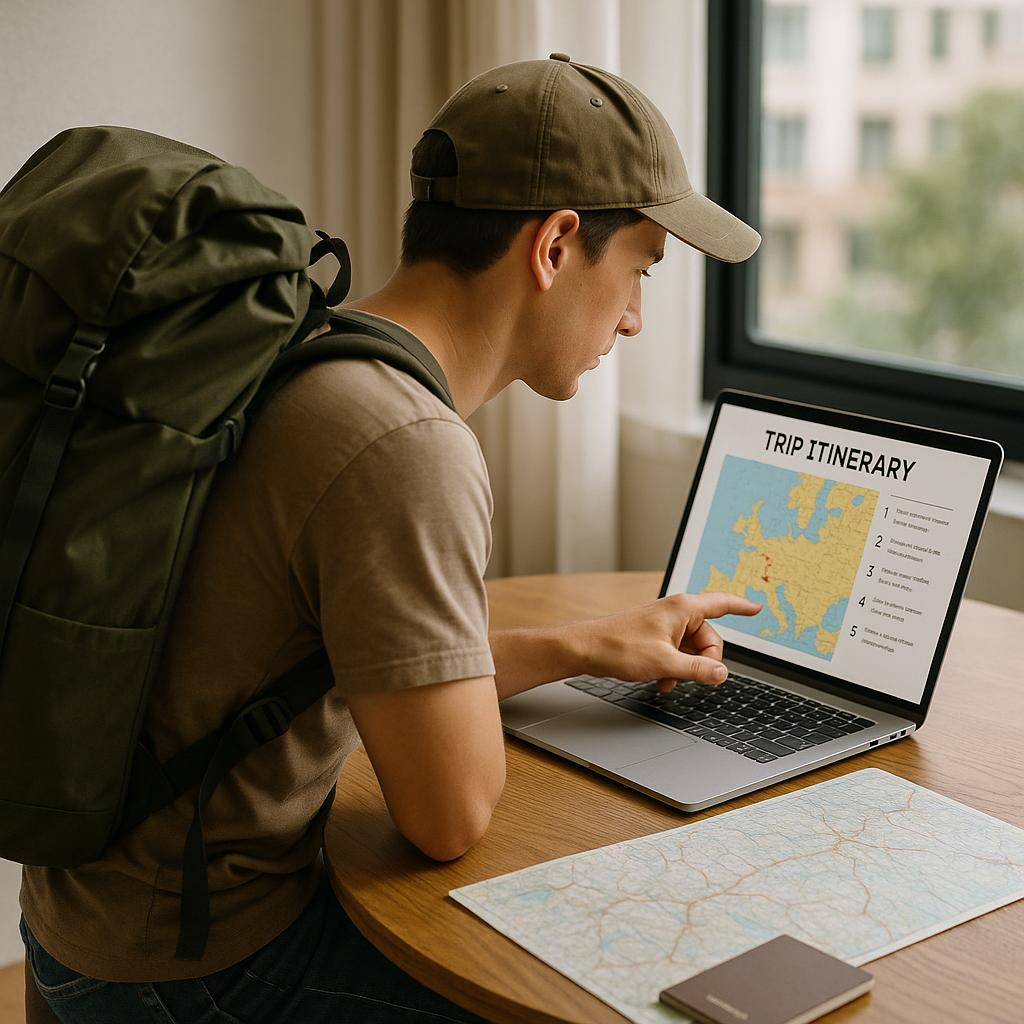
Step 4: Create a Flexible Itinerary
Outline the key sights and experiences you want to enjoy, but keep your schedule open enough for spontaneity. Overplanning can lead to avoidable stress and missed opportunities. Allocate downtime to rest or explore unexpected recommendations. Utilize travel apps and local event guides to spot happenings during your stay.
Step 5: Prepare for Safety and Practicalities
Safety is paramount. Register with your embassy if available and share your plans with a trusted contact. Purchase travel insurance that covers health emergencies, trip interruptions, or cancellations. Pack light to move easily, including essential medications, copies of documents, and versatile clothing suited to your destination’s climate. Stay informed about local customs and laws to avoid unintentional offenses.
Common Pitfalls to Avoid
- Overpacking, which increases burden and complicates transport.
- Skipping safety research or neglecting health preparations like vaccinations.
- Rigid itineraries that don’t allow time for rest or unexpected discoveries.
- Ignoring local customs and regulations, leading to misunderstandings.
- Failing to maintain communication means in case of emergencies.
Examples of Successful Solo Trip Planning
- Japan Cultural Immersion: A traveler prioritized safety, learned basic Japanese phrases, and booked accommodation in central, well-reviewed guesthouses, blending exploration with comfort.
- Budget Backpacking in Europe: Another chose flexible train passes, stayed in hostels, and created a loose itinerary allowing detours recommended by locals, balancing cost savings with adventure.
Frequently Asked Questions (FAQ)
- How can I stay safe while traveling alone? Research your destination’s safety, stay in secure accommodations, keep valuables protected, and share your itinerary with trusted contacts.
- What’s the best way to meet people as a solo traveler? Stay in social accommodations like hostels, join local tours or classes, and engage in community events.
- How do I budget effectively for a solo trip? Estimate costs for all expenses upfront, add a contingency, track spending daily, and prefer accommodations or meals that offer value.
- What should I pack for solo travel? Pack versatile clothing, essential personal items, copies of documents, and first aid supplies, keeping luggage light for mobility.
- How do I manage emergencies abroad? Carry travel insurance, memorize emergency contact numbers, and stay connected via phone or internet.
- Is it better to plan every detail or be spontaneous? Strike a balance with a flexible itinerary—it reduces stress and opens space for unplanned experiences.
- Where can I find trusted travel advisory information? Government travel websites and established travel communities offer regularly updated safety guidance.
Conclusion
Planning a solo trip demands thoughtful preparation mingled with openness to new experiences. By defining clear goals, thoroughly researching your destination, emphasizing safety and budgeting, and maintaining itinerary flexibility, you set the stage for a fulfilling and safe solo adventure. Embrace the journey with confidence and enjoy the unique growth solo travel offers.