
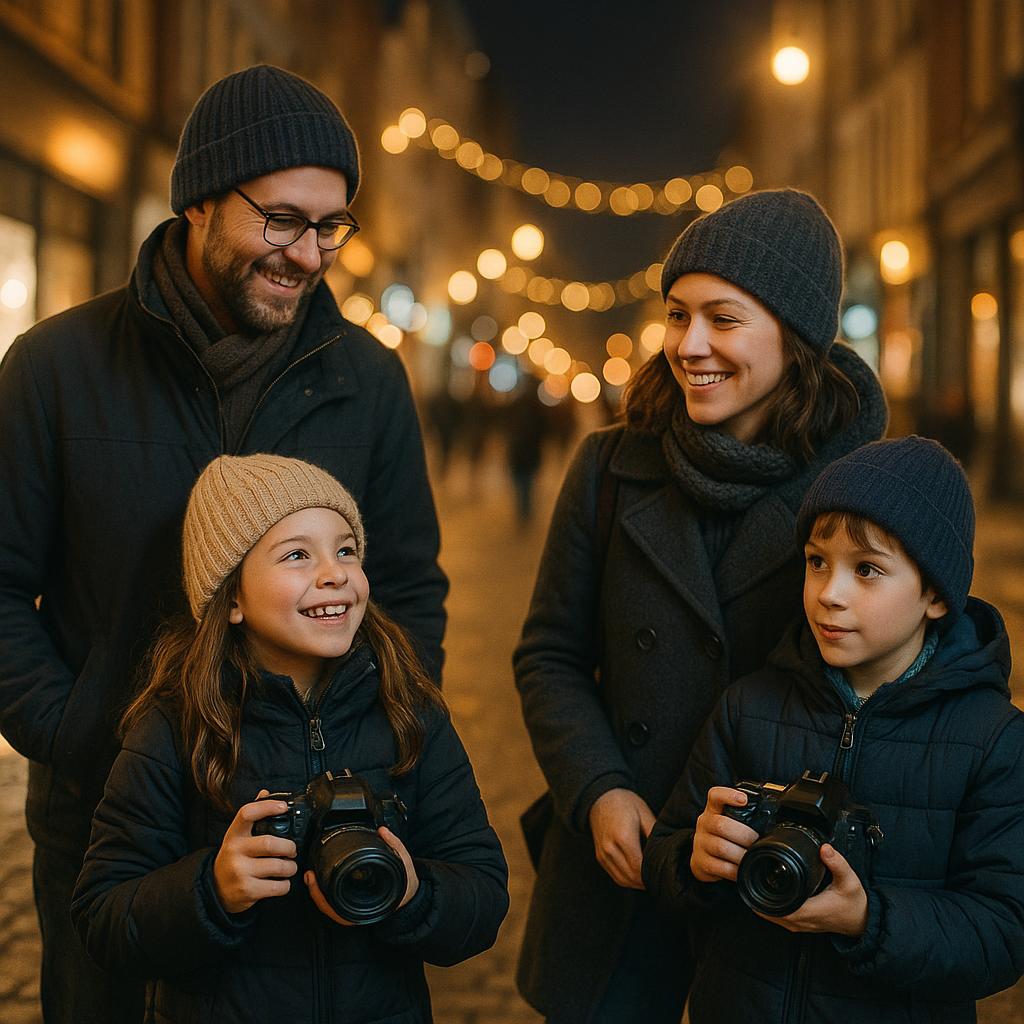
Quick Answer
- Plan night photography walks for families by choosing safe, accessible locations with ample lighting and interesting subjects.
- Prepare the right equipment and teach family members basic photography concepts adapted for nighttime.
- Consider the group’s pace, comfort, and engagement to ensure an enjoyable experience for all ages.
Key Takeaways
- Safety is paramount: select well-lit, familiar areas and keep the group together.
- Use simple equipment like smartphones or beginner-friendly cameras to encourage participation.
- Encourage creativity with fun photo challenges suited to children and adults alike.
- Plan for breaks and snacks to keep energy levels up during the walk.
- Be flexible and adjust plans based on weather, mood, and group dynamics.
Introduction
Night photography walks have become a popular way for families to blend outdoor activity with creative learning. This engaging experience helps nurture imagination, introduces technical concepts in a practical setting, and offers a unique perspective on familiar environments illuminated by night. This guide provides actionable steps to plan enjoyable and safe night photography walks for the whole family.
Why Plan Night Photography Walks for Families?
- Encourages bonding through a shared fun and educational activity.
- Introduces kids to concepts of light, exposure, and composition in an engaging way.
- Offers a new perspective on familiar surroundings after dark.
How To Choose the Right Location?
- Pick safe, accessible areas like parks, well-lit streets, or landmarks.
- Research local regulations or curfews to avoid conflicts.
- Consider proximity to home and availability of amenities (bathrooms, seating).
- Scout locations beforehand to identify photo opportunities and safe routes.
What Equipment Should You Bring?
- Cameras or smartphones with good low-light capabilities.
- Tripods or stable surfaces for longer exposures.
- Flashlights or headlamps for safety and illumination when needed.
- Extra batteries or power banks.
- Comfort items: warm clothing, snacks, water.
How to Prepare the Family?
- Teach basic photography concepts: holding the camera steady, framing shots, and experimenting with light.
- Explain safety rules for walking at night, including staying together and watching out for obstacles.
- Set expectations for the walk’s pace and duration.
- Assign simple photo challenges to keep kids engaged, such as capturing reflections or light trails.
Step-by-Step Plan for a Night Photography Walk
- Step 1: Choose and scout the location in daylight.
- Step 2: Prepare equipment and pack essentials.
- Step 3: Brief the family on safety and goals.
- Step 4: Start the walk, stopping frequently for photo opportunities.
- Step 5: Take breaks to review photos and share tips.
- Step 6: End the walk in a comfortable spot, optionally share final images together.
Examples of Great Locations and Subjects
- Cityscapes with illuminated buildings and streets.
- Parks with decorative lighting or the moon visible through trees.
- Waterfronts capturing reflections of lights.
- Festivals, fairs, or events with vibrant lighting setups.
Common Pitfalls and How to Avoid Them
- Pitfall: Overloading kids with technical details.
Solution: Keep explanations simple and fun. - Pitfall: Walking too long causing fatigue.
Solution: Plan short routes with breaks. - Pitfall: Safety risks in dark or isolated areas.
Solution: Stick to familiar, well-populated locations. - Pitfall: Forgetting essential gear like batteries or flashlights.
Solution: Use a pre-walk checklist.
Frequently Asked Questions (FAQ)
- Q: What camera settings are best for night photography with kids?
A: Use automatic or night modes on cameras/smartphones to keep it simple, allowing kids to focus on composition and light rather than manual adjustments. - Q: How can I keep children engaged during the walk?
A: Assign fun photo challenges like finding reflections or capturing light trails to maintain interest. - Q: What if the weather changes suddenly?
A: Have a flexible plan with indoor photo activities or reschedule if conditions are unsafe. - Q: How should we share and edit photos after the walk?
A: Use simple apps or tools for family viewing and editing, making it a group activity. - Q: Is it necessary to use tripods?
A: Tripods help with longer exposures, but stable surfaces or handheld steady shots work for casual family walks. - Q: How can I ensure the walk is safe at night?
A: Choose well-lit areas, stick together, carry flashlights, and have adults lead children carefully. - Q: Can we include other activities during the walk?
A: Yes, plan for snack breaks, storytelling, or brief discussions about light and photography to enrich the experience.
Conclusion
Night photography walks offer families a meaningful way to connect, learn, and see their environment from a fresh perspective. Prioritizing safety, simplicity, and fun encourages participation across all ages. By starting with manageable plans and fostering creativity, families can cultivate lasting memories and skills. Share your experiences and photos with your community to inspire others to explore night photography together.
Checklist for Planning a Family Night Photography Walk
- Pick a safe, accessible, and well-lit location.
- Scout the area during the day.
- Prepare cameras or smartphones capable of low-light shots.
- Bring tripods, flashlights, batteries, snacks, and warm clothing.
- Teach basic photography and safety rules before starting.
- Set simple photo challenges to engage children.
- Plan the route and breaks to suit all family members.
- Review and share photos after the walk.
Tools and Resources
- Photography Tips for Beginners – A resource for basic concepts explained clearly.
- National Park Service: Night Photography Tips – Guidance that emphasizes safety and technique.
- Exposure Guide: Night Photography Basics – Helpful technical advice on capturing night scenes.
- Booking.com Night Stay Options – Plan accommodations for longer evening photo outings with families.
For additional inspiration on engaging family activities, see How to Plan Micro-Adventures Between Meetings for Couples and Best Sunrise-to-Sunset City Challenges for Beginners.