
Quick Answer
- Top eco-lodges for small groups blend sustainability, comfort, and privacy.
- Examples include lodges in Costa Rica’s lush rainforests, Kenya’s vibrant savannahs, and New Zealand’s native forests.
- Best choices depend on factors like location, group size, amenities, and verifiable eco-certifications.
Key Takeaways
- Prioritize lodges with strong environmental credentials verified by recognized organizations such as Green Globe or Rainforest Alliance.
- Look for accommodations specifically suited to small groups (generally under 10 guests) to ensure an intimate and personalized experience.
- Consider lodging that offers educational eco-tours or conservation activities to deepen your group’s connection with the environment.
- Be aware of common pitfalls like greenwashing or hidden environmental costs that may undermine sustainability claims.
Table of Contents
- Introduction to Eco-Lodges for Small Groups
- What Makes an Eco-Lodge Ideal for Small Groups?
- Step-by-Step Guide to Choosing the Best Eco-Lodge
- Examples of Top Eco-Lodges for Small Groups
- Common Pitfalls to Avoid When Selecting Eco-Lodges
- Frequently Asked Questions (FAQ)
- Conclusion
Introduction to Eco-Lodges for Small Groups
Eco-lodges are accommodations designed to minimize their environmental impact while providing guests with an immersive natural experience. Their importance lies in promoting sustainable tourism, helping preserve biodiversity, and supporting local communities.
Small groups—typically families, friends, or small corporate retreats—benefit from eco-lodges by enjoying personalized service, exclusive privacy, and meaningful engagement with nature and culture.
To identify the best eco-lodges, criteria such as verified eco-certifications, guest capacity appropriate for small groups, active conservation programs, and local community involvement are crucial.
What Makes an Eco-Lodge Ideal for Small Groups?
- Accommodation Capacity: Designed for intimacy, ideal eco-lodges host fewer than 10 guests, ensuring privacy and personalized attention.
- Facilities: Provision of group-friendly spaces like communal dining areas, meeting rooms, or nature trails that facilitate shared experiences.
- Sustainability Practices: Use of renewable energy, water conservation methods, composting, waste reduction, and eco-friendly construction.
- Community Involvement: Strong ties with local people through employment, cultural activities, and conservation education enhance authenticity and sustainability.
Step-by-Step Guide to Choosing the Best Eco-Lodge
- Identify your group’s size and needs: Confirm the number of guests, accessibility needs, and desired activities.
- Research eco-certifications and sustainability claims: Verify official eco-labels to avoid greenwashing and ensure genuine environmental commitment.
- Evaluate location: Choose between ecosystems like tropical rainforests, savannahs, or temperate forests based on desired wildlife, scenery, and climate.
- Review amenities and services: Confirm availability of group-focused facilities, guides for eco-tours, and any educational or conservation programs.
- Check reviews from other small group travelers: Look for feedback on group experience, hospitality, and sustainability efforts.
- Contact lodges directly: Inquire about custom arrangements, dietary needs, and opportunities for group learning experiences.
Examples of Top Eco-Lodges for Small Groups
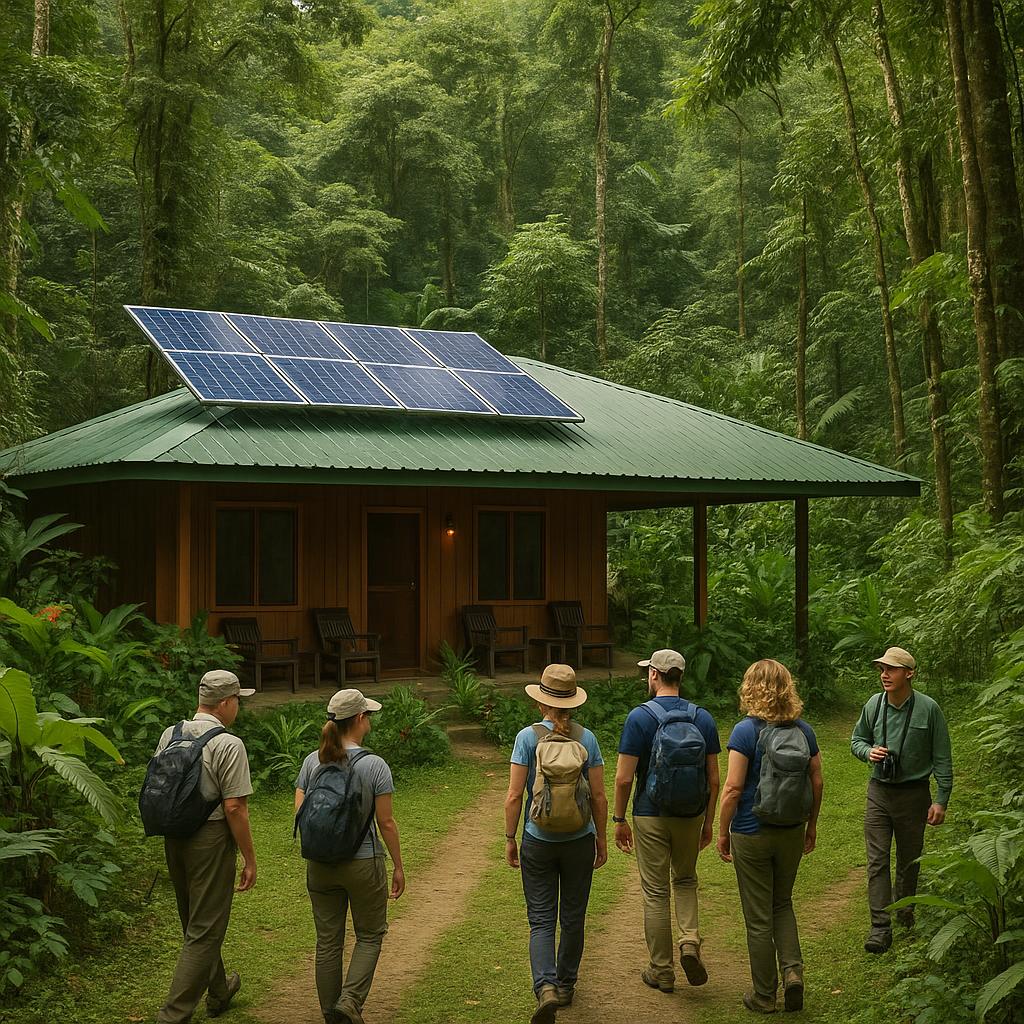
- Costa Rica: A rainforest lodge powered by solar energy offering guided wildlife tours and native plant workshops, perfect for groups seeking biodiversity immersion.
- Kenya: Intimate safari camps with minimal environmental footprints, community-led conservation projects, and private excursions into the savannah’s ecosystems.
- New Zealand: Forest retreats practicing advanced water recycling, using sustainably harvested materials, and providing eco-education programs focusing on native flora and fauna.
Common Pitfalls to Avoid When Selecting Eco-Lodges
- Greenwashing: False or exaggerated sustainability claims; always verify certifications and look for detailed environmental practices.
- Overcrowding: Choosing large resorts misaligned with the intimacy needs of small groups reduces the personalized experience.
- Hidden Fees: Charges for activities or services that contradict advertised eco-friendly or inclusive packages can undermine the overall experience.
- Lack of Local Engagement: Avoid lodges that do not actively involve or benefit local communities, as this detracts from authentic sustainable tourism.
Frequently Asked Questions (FAQ)
1. What sustainability certifications should I look for in eco-lodges?
Look for recognized certifications such as Green Globe, Rainforest Alliance, EarthCheck, and LEED, which verify environmental performance and social responsibility.
2. Are eco-lodges always more expensive than regular lodges?
Not necessarily. While some eco-lodges may have premium pricing due to their sustainable practices, many offer competitive rates especially when factoring in the quality of experience and environmental benefits.
3. How can small groups ensure their stay supports local communities?
Choose lodges that employ local staff, promote cultural experiences led by community members, and contribute to local conservation or social projects.
4. Can eco-lodges accommodate dietary restrictions for groups?
Most eco-lodges serving small groups offer flexible, locally sourced menus and can cater to common dietary needs if informed in advance.
5. What types of group activities are typically offered at eco-lodges?
Common activities include guided nature walks, wildlife observation, conservation volunteering, cultural workshops, and eco-education sessions tailored to the group’s interests.
6. Are eco-lodges suitable for business retreats or workshops?
Many eco-lodges provide meeting spaces and peaceful environments ideal for retreats, combining corporate needs with sustainability and team-building experiences.
Conclusion
Choosing the right eco-lodge can transform a small group trip into an enriching, sustainable adventure that benefits the environment and local communities alike. Prioritizing verified sustainability, intimate group accommodations, and authentic conservation efforts ensures a responsible and memorable journey. By making informed choices, travelers support the growth of sustainable tourism and enjoy the unique rewards of eco-friendly group vacations.
For further guidance on sustainable travel and eco-friendly accommodations, visit the International Ecotourism Society.
Explore related topics such as Cabin Stays & Nature-Forward Lodging and Are Eco-Hotels Actually Sustainable? for deeper insights.