
Quick Answer
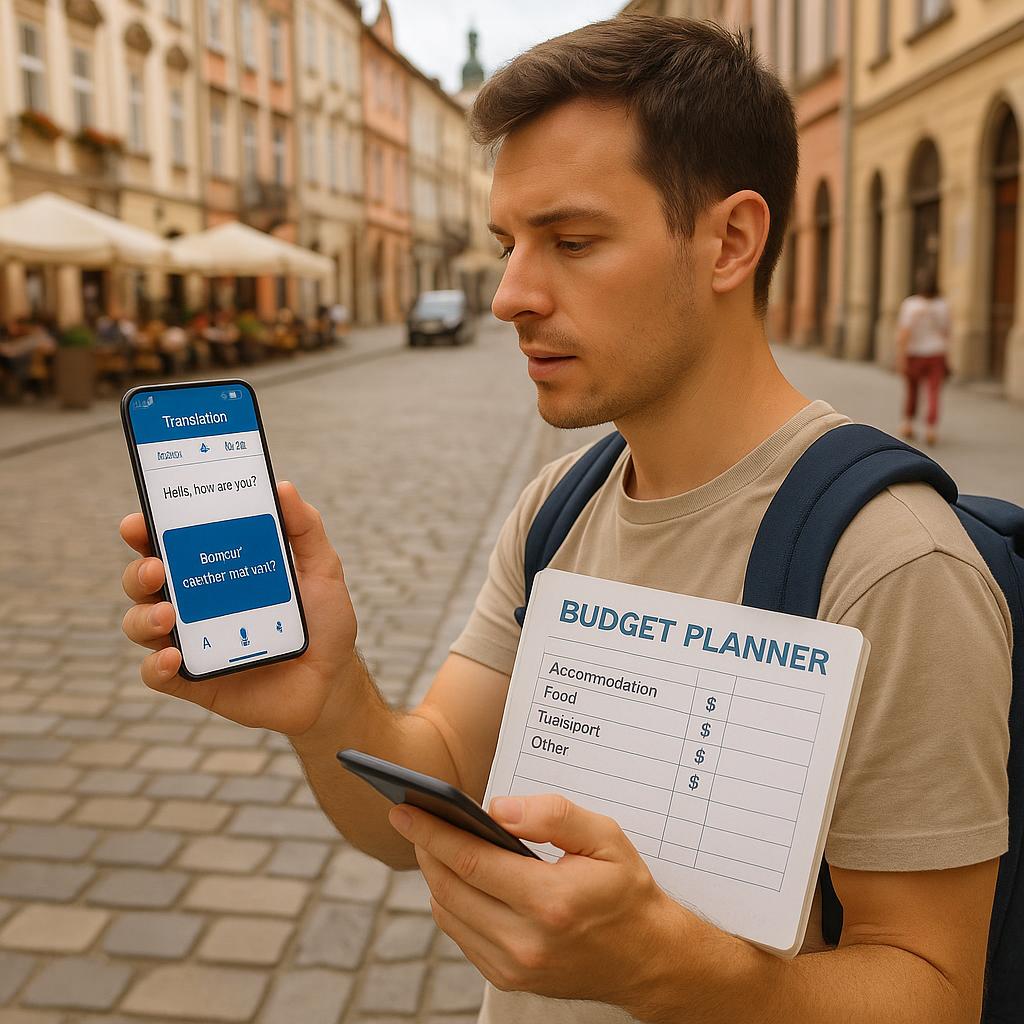
- Plan your budget by researching costs online, using translation apps, and preparing key phrases in advance.
- Track expenses daily with simple tools and always set aside an emergency buffer.
- Use local resources and written communication to avoid misunderstandings.
Key Takeaways
- Thorough pre-trip research is essential to estimate costs accurately.
- Technology like translation apps can bridge language gaps effectively.
- Simple budgeting methods help maintain control despite communication challenges.
- Being proactive and prepared reduces stress and unexpected expenses.
Introduction
Traveling to a country where you don’t speak the local language often complicates managing your budget but does not make it impossible. With a clear, adaptable strategy, you can confidently control your finances throughout your trip.
Step 1: Research and Pre-Planning
Start by gathering detailed information on typical costs for accommodation, food, transport, and key attractions. Use travel forums, official tourism websites, and price comparison platforms to understand what you will likely pay. Knowing the average prices in the local currency is crucial for setting a realistic budget.
Prepare by saving essential monetary phrases translated into the local language, such as “How much does this cost?” and numbers. This pre-trip preparation prevents misunderstandings during transactions and helps you negotiate effectively.
Step 2: Leverage Technology
Download reputable translation applications that offer offline use, so you won’t depend on internet connectivity when communicating monetary matters. Use budgeting apps or maintain simple spreadsheets or notes on your smartphone to log daily spending. Incorporate currency converter tools to instantly understand how much you’re spending, avoiding confusion with unfamiliar currencies.
Step 3: Create a Flexible Budget
Designate reasonable amounts for major spending categories including lodging, food, transportation, and activities. Establish a daily spending limit but allow some flexibility to accommodate unexpected opportunities or expenses. Crucially, set aside an emergency fund as a financial safety net.
Step 4: Use Written Communication and Visual Aids
Keep written notes of numbers and money-related terms in the local language handy to show to vendors or service providers. Pictures and photos can be your allies—use them to illustrate meal preferences, quantities, or directions. Always keep printed or digital receipts for tracking and reconciling your budget.
Step 5: Monitor and Adjust On The Go
Maintain a daily expenditure log to avoid surprises and keep your budget aligned. If you spend less on one day, you can allow a bit more on another, and vice versa. Don’t hesitate to ask hotel staff, fellow travelers, or locals for advice on affordable options—this can help stretch your budget further without the need for complex language exchanges.
Examples of Budgeting Without Talking the Language
- Choosing meals from menus with pictures or price boards to stay within budget.
- Haggling for souvenirs or taxis by pointing to written numbers or using a calculator app.
- Booking accommodation in advance online to secure costs and avoid surprises.
Common Pitfalls to Avoid
- Underestimating costs due to unfamiliarity with local pricing.
- Failing to track small expenses that accumulate.
- Relying solely on translation apps in areas with poor or no internet connectivity.
- Not anticipating additional fees like service charges or tourist taxes.
Frequently Asked Questions
- How should I handle tipping when I don’t speak the language?
Tip discreetly in cash based on local customs researched beforehand; showing appreciation with a smile often crosses language gaps. - What are the best apps for budgeting while traveling?
Apps like Trail Wallet, SimplyBudget, or even simple note-taking apps combined with currency converters are effective without requiring complex language skills. - How can I avoid scams if I can’t communicate well?
Use reputable services, book online when possible, avoid isolated transactions, and always keep receipts or confirmations to minimize risk. - Can I rely on hotels or hostels for local budgeting advice?
Yes, many staff can offer basic guidance or help with translation to optimize your spending safely. - Is it helpful to carry a phrasebook focused on money matters?
Absolutely. Having key phrases pre-translated can clarify transactions and prevent miscommunication. - How do I deal with currency conversion without speaking the language?
Use offline currency conversion apps and carry a calculator to ensure you understand the cost before paying. - Should I keep physical money or use cards abroad?
Use a mix of cash and cards; cards reduce the need for currency exchange but small cash is essential for minor purchases.
Conclusion
Budgeting for travel in a country where you don’t speak the language demands preparation, technology, and flexibility. By researching ahead, leveraging translation tools, using written aids, and maintaining careful expense tracking, you can keep your finances under control. These strategies empower you to enjoy your trip without letting language barriers impact your budget management.
For booking accommodations confidently online with multilingual support and prices upfront, consider trusted platforms such as Booking.com.
Checklist: Budgeting for Travel Without Speaking the Language
- Research average costs in local currency before departure.
- Save key money-related phrases and questions in local language.
- Download offline translation and currency converter apps.
- Create a flexible daily budget with an emergency fund.
- Prepare visual aids and keep written notes for transactions.
- Track spending daily with simple tools.
- Seek local advice for cost-effective options.
- Avoid relying solely on internet-based translators in remote areas.
- Book accommodations and major transport in advance if possible.
Tools and Resources
- Google Translate (Offline Mode) – Essential translation app.
- Booking.com – For advance hotel reservations to secure prices.
- XE Currency Converter – Reliable currency rate checks.
- TripAdvisor – Local cost insights and reviews.
- Budgeting Apps like Room Budget – For tracking daily expenses simply.