
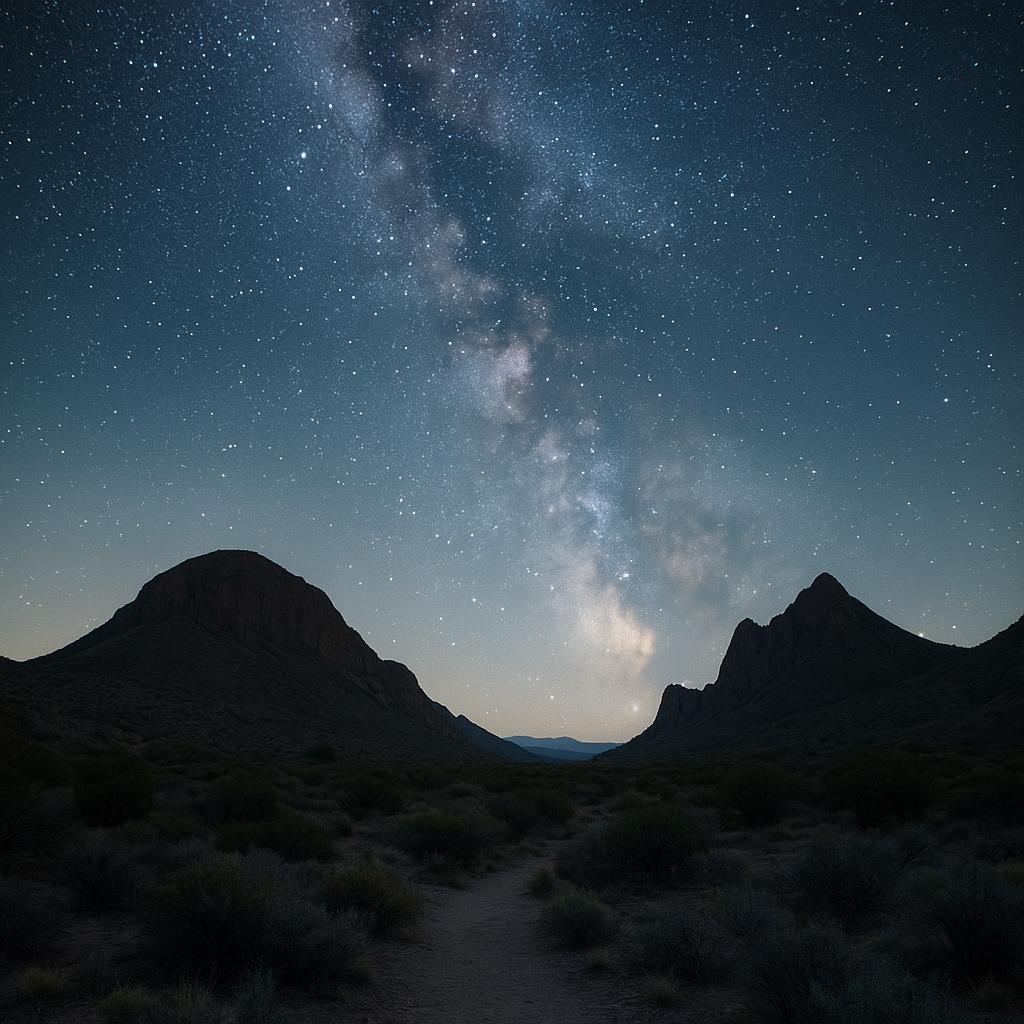
Quick Answer
- Best stargazing parks combining dark skies and low visitor traffic include Big Bend National Park (TX), Cherry Springs State Park (PA), and Great Basin National Park (NV).
- These parks offer clear skies, minimal light pollution, and peaceful environments ideal for an immersive stargazing experience without crowds.
Key Takeaways
- Choose parks located far from urban centers to avoid light pollution and large crowds.
- Visit during off-peak seasons and weekdays for a quieter experience.
- Preparation is essential: check weather and moon phases to optimize visibility.
- Respect park rules and conserve natural nightscapes by minimizing artificial light.
Introduction
- Stargazing is a rewarding activity that benefits from dark, quiet locations.
- Popular parks often attract visitors, leading to crowded conditions that detract from the experience.
- This guide identifies the best stargazing parks where you can enjoy the night sky peacefully.
What Criteria Define the Best Stargazing Parks Without Crowds?
- Dark sky quality: Minimal light pollution measured by dark-sky grading systems such as the Bortle scale.
- Low visitor density: Parks less frequented, even during peak stargazing times, ensuring solitude.
- Accessibility: Reasonable access without major urban light interference, but remote enough to assure tranquility.
- Facilities and safety: Basic amenities available while preserving the natural environment and ensuring safety after dark.
Which Parks Are Ideal for Crowd-Free Stargazing?
- Big Bend National Park, Texas
- Recognized internationally for its exceptional dark skies as an International Dark Sky Park.
- Its remoteness in West Texas deters large crowds despite growing popularity.
- Offers diverse landscapes—including desert and canyons—that provide panoramic views of the night sky unobstructed by artificial light.
- Cherry Springs State Park, Pennsylvania
- Known as one of the darkest places in the Eastern United States, earning official Dark Sky Park status.
- Hosts organized star parties with experts, but can be quiet on weekdays and outside events.
- Accessible yet secluded enough to avoid heavy crowds, especially during off-peak times.
- Great Basin National Park, Nevada
- Elevation over 6,000 feet and dry climate contribute to remarkably clear night skies.
- The park’s lower visitation numbers compared to Western counterparts help maintain solitude.
- Provides astronomy programs and ranger-led nighttime hikes with minimal visitors, enhancing the experience.
How to Plan a Crowded-Free Stargazing Trip Step-by-Step?
- Research and select parks that hold Dark Sky certifications and are in remote locations with minimal light pollution.
- Check visitation trends and avoid weekends, holidays, or organized star parties when attendance spikes.
- Consult lunar calendars to choose moonless or near-new moon nights for maximum star visibility.
- Monitor the local weather forecast closely for clear skies; humidity and clouds can ruin stargazing.
- Prepare essential gear: telescope or quality binoculars, layered warm clothing, and red LED flashlights to protect night vision.
- Arrive well before nightfall to secure an optimal spot away from other visitors and park infrastructure lights.
- Adhere strictly to park regulations, especially those related to light pollution and trail usage, to preserve the natural ambiance.
Common Pitfalls to Avoid When Stargazing in Parks
- Visiting parks known for stargazing during peak seasons or popular events, resulting in crowded nights.
- Ignoring weather forecasts that predict cloud cover or precipitation, leading to poor visibility.
- Arriving late at night, missing the best dark hours or prime viewing spots.
- Using bright white flashlights or smartphone screens without red light filters, which can impair both your and others’ night vision.
- Failure to bring adequate clothing to handle often chilly night temperatures causes discomfort and shortens observation time.
FAQ
- Q: When is the best time for stargazing?
A: The best time is during new moon phases when the sky is darkest, typically late evening to midnight. - Q: Can I stargaze without a telescope?
A: Yes, many stars, planets, and celestial events are visible to the naked eye; binoculars enhance viewing. - Q: Are these parks safe for night visits?
A: Yes, but prepare adequately with proper gear, inform someone of your plans, and follow park safety guidelines. - Q: How can I minimize light pollution impact?
A: Use red LED lights, avoid screens, and stay away from artificial light sources. - Q: Is camping recommended during stargazing trips?
A: Camping allows extended observation hours but check park policies and book ahead if required. - Q: Are there any apps or tools to help plan stargazing?
A: Yes, apps like Stellarium or Sky Guide provide star maps and moon phase information. - Q: Do I need any special permits for night visits?
A: Most parks allow night access, but verify specific park regulations to avoid restrictions.
Conclusion
- Optimal stargazing parks blend quality dark skies, accessibility, and low visitor numbers for peaceful, immersive experiences.
- Big Bend, Cherry Springs, and Great Basin exemplify such locations, offering solitude and astronomical beauty.
- Thoughtful planning and respectful presence ensure you—and future visitors—can enjoy these magnificent night skies.
Tools and Resources for Planning Your Stargazing Experience
- Accommodation Booking: Trusted options near stargazing parks
- International Dark-Sky Association – Official Dark Sky Parks
- Moon Phase Calendar – Time and Date
- National Weather Service – Local Weather Forecasts
- Stellarium – Free Planetarium Software
Stargazing Trip Checklist
- Confirm park access and regulations for night visitation.
- Check lunar phase (prefer new moon).
- Review recent and upcoming weather forecasts.
- Pack warm clothing, including hats and gloves.
- Bring red LED flashlight and extra batteries.
- Carry binoculars or telescope (optional but recommended).
- Prepare snacks and water for overnight stay or long sessions.
- Inform a friend or family member about your itinerary.
- Arrive before sunset to select a suitable viewing spot.
- Respect nature and minimize artificial light usage.