
Table of Contents
- Introduction
- Quick Overview of Common Travel Scams Today
- Key Takeaways
- Detailed Breakdown of Common Scams
- Step-by-Step Guide to Avoiding Travel Scams
- Examples and Case Studies
- Common Pitfalls to Avoid
- Frequently Asked Questions (FAQ)
- Conclusion
Introduction
As global travel continues to rebound and expand, millions of tourists navigate unfamiliar destinations and cultures. Unfortunately, along with increased travel opportunities comes a rise in sophisticated travel scams designed to exploit unsuspecting visitors. Awareness and preparation are critical to protecting your finances, personal information, and overall travel experience.
Quick Overview of Common Travel Scams Today
- Pickpocketing and distraction techniques in crowded tourist areas targeting wallets, phones, and passports.
- Fake tour guides and unauthorized taxis offering inflated prices or detours to earn commissions.
- Accommodation scams, including fake online listings and last-minute cancellations demanding alternative payment.
- Wi-Fi and digital scams like phishing over public Wi-Fi, malicious charging stations, and fraudulent QR codes.
- Currency exchange fraud involving unfair rates and hidden fees at unregulated booths.
Key Takeaways
- Always book and use official, verified service providers.
- Keep personal belongings secure, especially in crowded places.
- Use secure payment methods; avoid untraceable cash exchanges when possible.
- Conduct thorough research on accommodations and transport before arrival.
- Be cautious with public Wi-Fi and digital interactions; use VPNs when possible.
Detailed Breakdown of Common Scams
1. Pickpocketing and Distraction Techniques
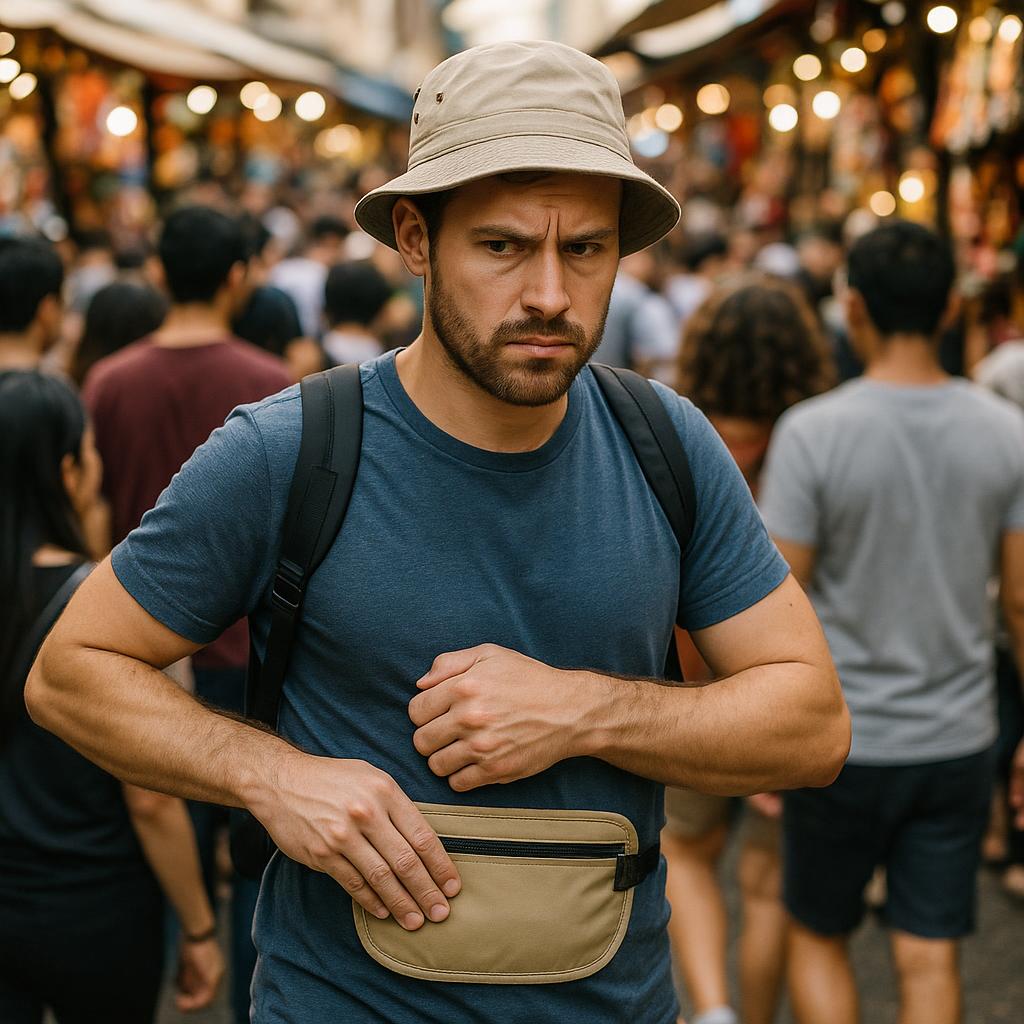
Pickpockets often operate in major tourist hubs, busy markets, and transit stations. They use clever distractions—such as a sudden commotion, someone asking for directions, or a staged accident—to divert your attention while another accomplice lifts valuables. Understanding common tactics helps you stay vigilant.
High-risk: Busy city centers, public transportation hubs, festivals, and landmarks during peak hours or events.
2. Fake Tour Guides and Transportation Scams
Unauthorized guides may approach tourists directly, offering private tours or transportation at inflated prices. They may use official-looking badges or vehicles but lack certification. Common tactics include detouring to shops that benefit the driver, demanding cash-only payment, or refusing to provide receipts.
Always seek guides through authorized tourism boards or reputable agencies. Use official taxi stands or pre-booked rides from trusted companies.
3. Accommodation Scams
Fake listings on popular platforms lure travelers into paying deposits or full payments for properties that don’t exist or are misrepresented. Scammers may push for wire transfers or payment outside platform protections. Watch for deals that seem too good to be true and listings with limited photos or reviews.
Confirm bookings through established channels and consider trusted accommodation platforms that offer secure payment and cancellation protections.
4. Digital and Wi-Fi Scams
Free public Wi-Fi networks can expose your data to hackers employing phishing attacks or injecting malware. Scammers also set up fake charging stations or USB ports in airports and cafes to steal data from devices connected to them. QR codes linked to fake payment intents or phishing sites have increased, especially in hospitality settings.
Use VPNs, avoid accessing sensitive accounts on public Wi-Fi, and charge devices only with your own chargers or battery packs.
5. Currency Exchange Fraud
Some currency exchange booths show misleading rates, add hidden commissions, or shortchange customers. Scammers may also offer appealingly favorable rates only to exchange less than expected.
To avoid this, prefer official banks or recognized exchange offices, check rates online beforehand, and count your cash carefully before leaving.
Step-by-Step Guide to Avoiding Travel Scams
- Research your destination’s common scams using authoritative travel advisories and local government websites.
- Book accommodations and tours through recognized, reliable platforms or agencies.
- Use official transportation methods: pre-book taxis or rideshares rather than street hails.
- Keep money, passports, and devices secure; consider money belts or hidden pouches.
- Prefer credit/debit cards with fraud protection; avoid large cash transactions.
- Avoid public Wi-Fi for sensitive activities or use a trusted VPN service.
- Verify currency exchange rates and request clear receipts for all transactions.
Examples and Case Studies
In a popular European city, a traveler was approached by a friendly local offering a “special tour”. Without verifying credentials, the traveler accepted, only to be taken to overpriced shops with pressured purchases. Lesson: Always confirm guide authorization through official channels.
Another case involved a tourist connecting to an airport’s “free” Wi-Fi. Unknown to them, it was a malicious hotspot mimicking the official network, leading to compromised banking details. Lesson: Use VPNs and avoid sensitive transactions on unsecured networks.
Common Pitfalls to Avoid
- Trusting unsolicited offers or overly friendly strangers without verification.
- Sharing personal or financial information without confirming legitimacy of the requestor.
- Making rushed decisions under pressure from aggressive sellers or guides.
- Using unverified, unofficial websites or apps for booking or services.
Frequently Asked Questions (FAQ)
- How can I verify a tour guide is legitimate?
- Check with official tourism boards or your accommodation for certified guide recommendations. Look for badges, IDs, and reviews from verified platforms.
- What should I do if I suspect a scam?
- Remain calm, avoid further engagement, report the incident to local authorities or your embassy, and alert your accommodation or tour operator.
- How can I protect my digital information while traveling?
- Avoid public Wi-Fi for sensitive transactions or use a reliable VPN. Use strong passwords and two-factor authentication on all accounts.
- Are cash payments safer than card payments abroad?
- Cards often provide fraud protection and traceability; cash can be riskier but may be necessary. Always balance both wisely and never carry large amounts of cash.
- How do I avoid currency exchange fraud?
- Use authorized exchange offices or banks, confirm rates beforehand, and count money carefully before and after the transaction.
- What should I do if my belongings are stolen?
- Report theft immediately to local police and your embassy. Cancel stolen cards and passports, and use backups if available.
Conclusion
Travel scams continue to evolve alongside increased global tourism. The best defense remains informed vigilance and careful preparation. By understanding common scams, using official channels for bookings and transportation, protecting your digital footprint, and securing your belongings, you can safeguard your journey from fraud and enjoy your travels with confidence.
For additional travel planning guidance, explore resources like How Do You Plan Trips with Limited Vacation Days? and What Mistakes Do First-Time Travellers Make Most Often? to further enhance your travel preparedness.