
Table of Contents
- Quick Answer: Where to Go for Medical Travel?
- What Are the Top Destinations for Medical Travel?
- Pros & Cons of Popular Medical Travel Destinations
- Common Mistakes in Medical Travel Planning
- Pro Tips for Choosing a Medical Travel Destination
- Medical Travel Preparation Checklist
- Useful Tools and Resources for Medical Travelers
- Frequently Asked Questions (FAQs)
- Conclusion and Next Steps
Quick Answer: Where to Go for Medical Travel?
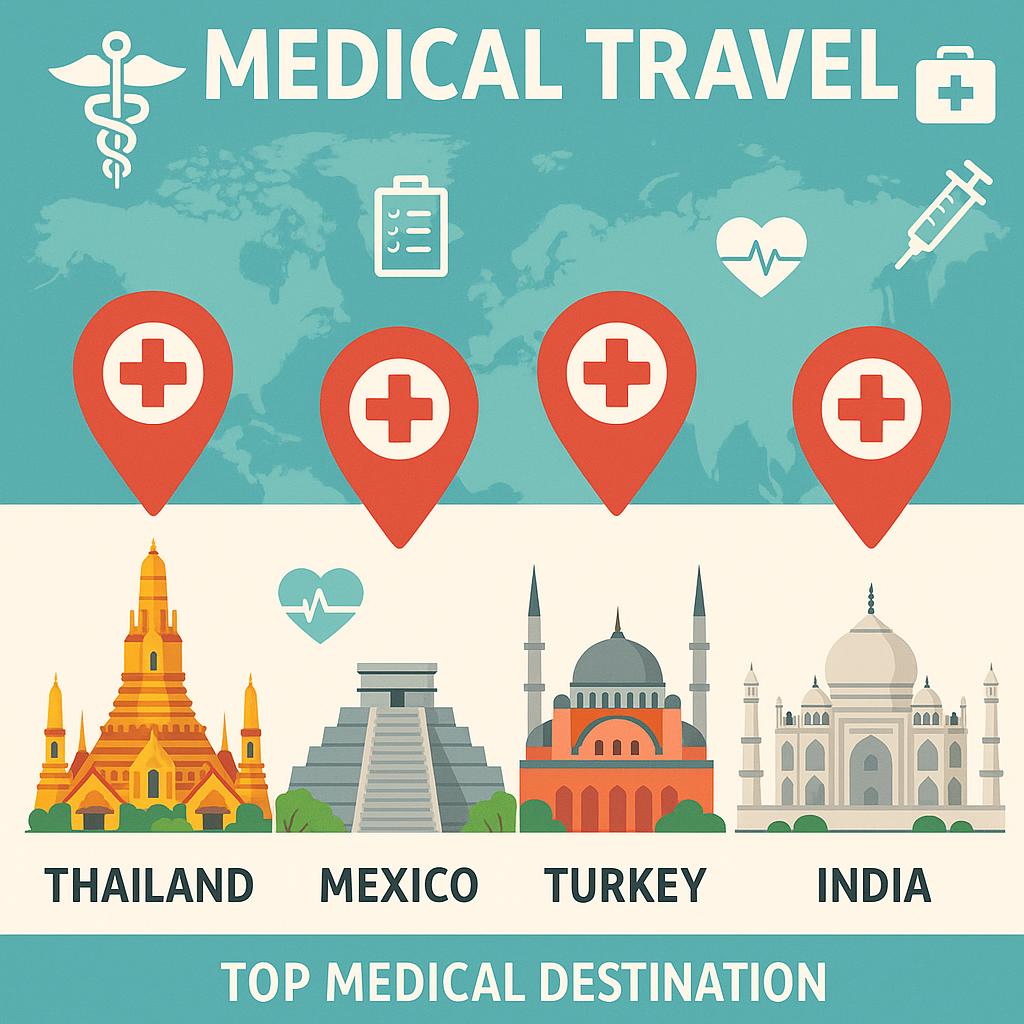
Top medical travel destinations vary by treatment but generally include India, Thailand, Mexico, South Korea, and Turkey. These countries offer world-class medical care, competitive prices, and modern facilities. Choosing the right destination depends on the procedure, regulatory standards, travel convenience, and availability of post-care support.
What Are the Top Destinations for Medical Travel?
Medical travelers weigh factors such as quality, cost, and access to specialized care. Below is a detailed overview of leading countries recognized globally for their medical travel offerings:
India
Known for cardiac surgery, orthopedic procedures, and advanced oncology treatments, India delivers high-quality care at affordable costs. Hospitals in Chennai, Mumbai, and other major cities meet international accreditation standards and serve a large international patient base.
Thailand
Thailand excels in cosmetic surgery, dental care, and fertility treatments. Its robust healthcare infrastructure and geographic proximity to many Asian countries make it a preferred choice for medical tourists.
Mexico
Mexico primarily serves North American patients seeking dental work, bariatric surgery, and ophthalmology. Proximity reduces travel time and expenses, facilitating easier follow-up care.
South Korea
South Korea is renowned for cutting-edge cosmetic and reconstructive surgery as well as advanced cancer treatments. Its technologically advanced facilities and highly skilled specialists, especially in Seoul, attract discerning patients.
Turkey
Turkey’s growing medical tourism sector focuses on hair transplants, fertility treatments, and eye surgeries. Istanbul’s hospitals adhere to internationally recognized protocols, emphasizing comprehensive patient care.
Pros & Cons of Popular Medical Travel Destinations
| Destination | Pros | Cons |
|---|---|---|
| India | Affordable, expert specialists, English-speaking providers | Long travel times from Western countries, inconsistent infrastructure outside major cities |
| Thailand | Excellent hospitality, modern facilities, strong in cosmetic surgery | Language barriers in some areas, seasonal tourist influx |
| Mexico | Close to US/Canada, affordable, quick access | Safety concerns in certain regions, regulatory variability |
| South Korea | Advanced technology, skilled surgeons, strong research focus | Higher costs, cultural and language differences |
| Turkey | Competitive pricing, comprehensive care packages, improving infrastructure | Perceived political instability, limited English outside hospitals |
Common Mistakes in Medical Travel Planning
- Not verifying hospital accreditation and specialist credentials.
- Overlooking language support, hindering effective communication.
- Underestimating total costs including travel, accommodation, and follow-up care.
- Failing to research post-operative care infrastructure and logistics.
- Neglecting visa and travel insurance requirements specific to medical travel.
Pro Tips for Choosing a Medical Travel Destination
- Choose destinations with internationally accredited facilities (e.g., JCI).
- Review patient testimonials and verified treatment outcomes.
- Consult your primary healthcare provider to ensure treatment compatibility.
- Allow sufficient time for pre-operative assessments and post-operative recovery.
- Work with reputable medical travel facilitators who offer transparent services.
Medical Travel Preparation Checklist
- Research & Verification: Confirm hospital and physician credentials; verify treatment success rates.
- Financial Planning: Budget for treatment, travel, accommodation, medications, and potential complications.
- Travel Documentation: Secure necessary visas, including medical visas if applicable, and ensure travel insurance covers medical emergencies.
- Communication: Arrange interpreter services or language support if needed.
- Logistics: Book flights and accommodation near the medical facility and arrange local transportation.
- Post-Treatment Care: Schedule follow-up appointments and plan for remote consultations as necessary.
- Health Preparation: Compile medical records, current medications, and pre-operative instructions.
Useful Tools and Resources for Medical Travelers
- International Society for Quality in Health Care (ISQua) – Accreditation details
- Joint Commission International (JCI) – Hospital accreditation database
- World Health Organization (WHO) – Travel health guidelines
- Medical travel forums and verified patient review platforms
- Travel insurance comparison tools focusing on medical coverage
- Official government travel advisory sites for up-to-date safety information
Frequently Asked Questions (FAQs)
How do I verify the quality of a medical facility abroad?
Confirm accreditation from recognized international bodies such as JCI or ISQua, review detailed treatment outcome data, and examine patient testimonials from credible sources.
Which treatments are most commonly sought through medical travel?
Popular procedures include elective surgeries (cosmetic, dental), cardiac interventions, orthopedic surgeries, fertility treatments, and cancer therapies.
How can I ensure continuity of care after returning home?
Obtain a comprehensive medical report, coordinate with your local healthcare provider prior to travel, and arrange follow-up consultations, including telehealth if available.
Are there specific risks associated with medical travel?
Risks include complications from travel-related stress, variability in infection control standards, and challenges managing post-treatment complications abroad or after returning home.
Is medical travel covered by insurance?
Coverage varies considerably. Many standard health insurance policies exclude elective procedures overseas, so specialized travel or medical tourism insurance is advisable.
What legal protections do patients have abroad?
Legal recourse depends on the destination’s laws and agreements. Thoroughly review contracts and clarify liability terms before proceeding with treatment.
Conclusion and Next Steps
Selecting a leading medical travel destination requires evaluating quality, cost, and logistics tailored to your treatment needs. Start by focusing on accredited facilities in countries known for your procedure. Use the checklist and pro tips above to guide your planning and avoid common pitfalls. Consulting healthcare professionals, legal advisors, and experienced medical travel coordinators will further support a safe and successful treatment journey.
When ready, research internationally accredited hospitals in your treatment area and arrange initial consultations. Thorough preparation is essential to achieving positive medical travel outcomes.