
Quick Answer
The best family stargazing outings prioritize safety, accessibility, and engaging experiences suitable for all ages. Choosing easily reachable local parks or observatories with clear, dark skies and low light pollution enhances visibility and comfort. Planning outings to coincide with meteor showers or notable lunar phases adds excitement and educational value.
Key Takeaways
- Opt for locations with easy access and controlled environments to ensure family safety.
- Prepare with essential gear such as warm blankets, simple telescopes or binoculars, and star charts.
- Timing your outing around favorable weather and celestial events greatly improves the experience.
- Involve children with interactive activities like constellation spotting to keep their interest alive.
Why Choose Family-Friendly Stargazing Outings?
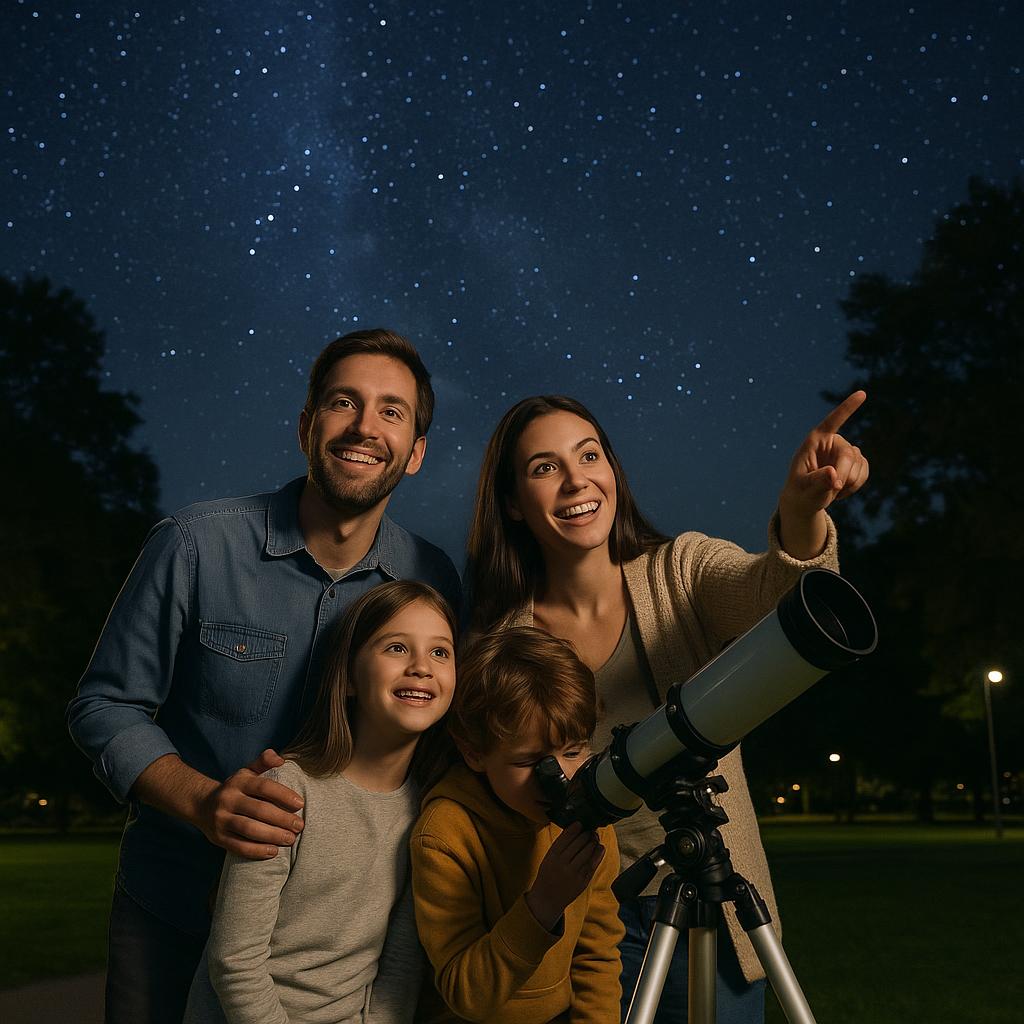
Family-focused stargazing trips are designed to maximize safety and comfort, allowing every member—young or old—to enjoy the night sky. These outings foster shared learning and bonding through hands-on interaction with astronomy, providing memorable experiences beyond screen time. Moreover, choosing guided or structured events can reduce logistical stress and enhance engagement for children unfamiliar with nighttime environments.
What Are the Best Locations for Family Stargazing?
- Local Parks: Find parks within easy driving distance that have minimal light pollution and an unobstructed view of the sky.
- Community Observatories: Many towns have astronomy clubs or public observatories offering guided stargazing sessions tailored for families.
- Designated Dark Sky Reserves: Nature centers and dark sky parks provide controlled environments with very low artificial light, perfect for clearer views.
How to Plan a Successful Family Stargazing Night?
- Check Weather and Lunar Conditions: Clear skies with little to no cloud cover are essential. New moon phases or foreseeing meteor showers can make the event more spectacular.
- Select an Accessible Location: Choose a spot with easy parking, restrooms nearby, and a safe environment to ensure comfort and quick exits if needed.
- Gather Equipment and Clothing: Pack blankets, warm clothes, flashlights with red filters, simple star charts, and kid-friendly telescopes or binoculars.
- Prepare Educational Materials: Bring along constellation charts and apps that can help identify stars and planets interactively.
- Set Clear Rules and Expectations: Discuss safety rules for nighttime exploration, such as staying within sight and avoiding bright light use that impedes night vision.
What Activities Keep Children Engaged?
- Interactive Star Maps and Apps: Encourage kids to spot and identify constellations actively, turning the outing into a treasure hunt.
- Meteor Shower Watches: Use storytelling about shooting stars to ignite imagination while waiting together for meteors.
- Simple Telescopes or Binoculars: Hands-on equipment fosters curiosity and provides tangible connection with celestial objects.
Common Pitfalls and How to Avoid Them
- Overly Complex Equipment: Using complicated telescopes can intimidate children and adults alike; opt for beginner-friendly gear.
- Poor Timing: Avoid nights with a bright moon or forecasted clouds that will obscure stars.
- Remote or Inaccessible Locations: Very isolated spots can be unsafe or uncomfortable for families with young children.
- Inadequate Preparation: Not dressing warmly or forgetting to bring necessary supplies can spoil the experience.
Tools and Resources for Family Stargazing Outings
- Interactive Sky Charts – Free online tools to generate star maps based on location and date.
- Stellarium – A user-friendly planetarium app great for explaining the night sky to children.
- Science Kids’ Stargazing Activities – Fun educational games to engage kids before or after outings.
- Family-Friendly Accommodation Booking – Useful for planning weekend stargazing getaways near dark sky parks.
Frequently Asked Questions (FAQ)
- What is the best time of year for family stargazing?
- Spring through autumn tends to offer milder evenings and clearer skies, but check for local weather and celestial events like meteor showers for optimal timing.
- Are telescopes necessary for family stargazing?
- No, binoculars or even the naked eye are sufficient to enjoy many night sky features, especially with good star charts and apps.
- How can I keep kids interested during the outing?
- Plan interactive activities like constellation spotting, storytelling, or using simple instruments to keep their attention focused and excited.
- Is it safe to stargaze at night with children?
- Yes, provided you choose safe, accessible locations, set ground rules, and supervise children closely throughout the outing.
- Where can I find family-friendly stargazing events near me?
- Check with local astronomy clubs, libraries, community centers, and planetariums as they often organize family-oriented viewing nights.
- What should I bring besides a telescope?
- Bring warm clothing, blankets, red-light flashlights, snacks, simple star charts, and devices with stargazing apps for a comfortable experience.
- How long should a family stargazing outing last?
- The ideal duration is roughly 1-2 hours, long enough to explore and learn while not stressing children’s patience or comfort in the dark.
Conclusion
Successful family stargazing nights blend thoughtful preparation with locations that balance accessibility and quality viewing conditions. By selecting sites such as local parks or community observatories, timing outings around favorable celestial events, and incorporating engaging activities, families can create meaningful, educational, and safe experiences under the stars. These outings encourage curiosity and bonding that last far beyond the night itself.