
Quick Answer
- Research local public transport options and routes before your visit.
- Plan your destinations and map out efficient transit routes.
- Purchase tickets or passes in advance for convenience and savings.
- Build flexibility into your schedule for delays or adjustments.
- Use apps and tools to monitor real-time transit updates.
Key Takeaways
- Understanding the available transport modes is essential for smooth travel.
- Advance research and planning reduce stress and save time.
- Leverage technology to stay informed and adapt plans as needed.
- Be aware of common challenges like route changes and peak-hour crowds.
- Having backup routes and options ensures a seamless experience.
Introduction
Using public transportation exclusively during your exploration of a new city offers several notable benefits. It is typically more cost-efficient than taxis or car rentals, reduces your environmental footprint, and provides an authentic local experience by immersing you in daily urban life. However, navigating unfamiliar transit systems can present challenges, including complex routes, varying ticket systems, and timing constraints. Preparation is therefore crucial to ensure your day runs smoothly and is enjoyable.
Understanding the Public Transport System
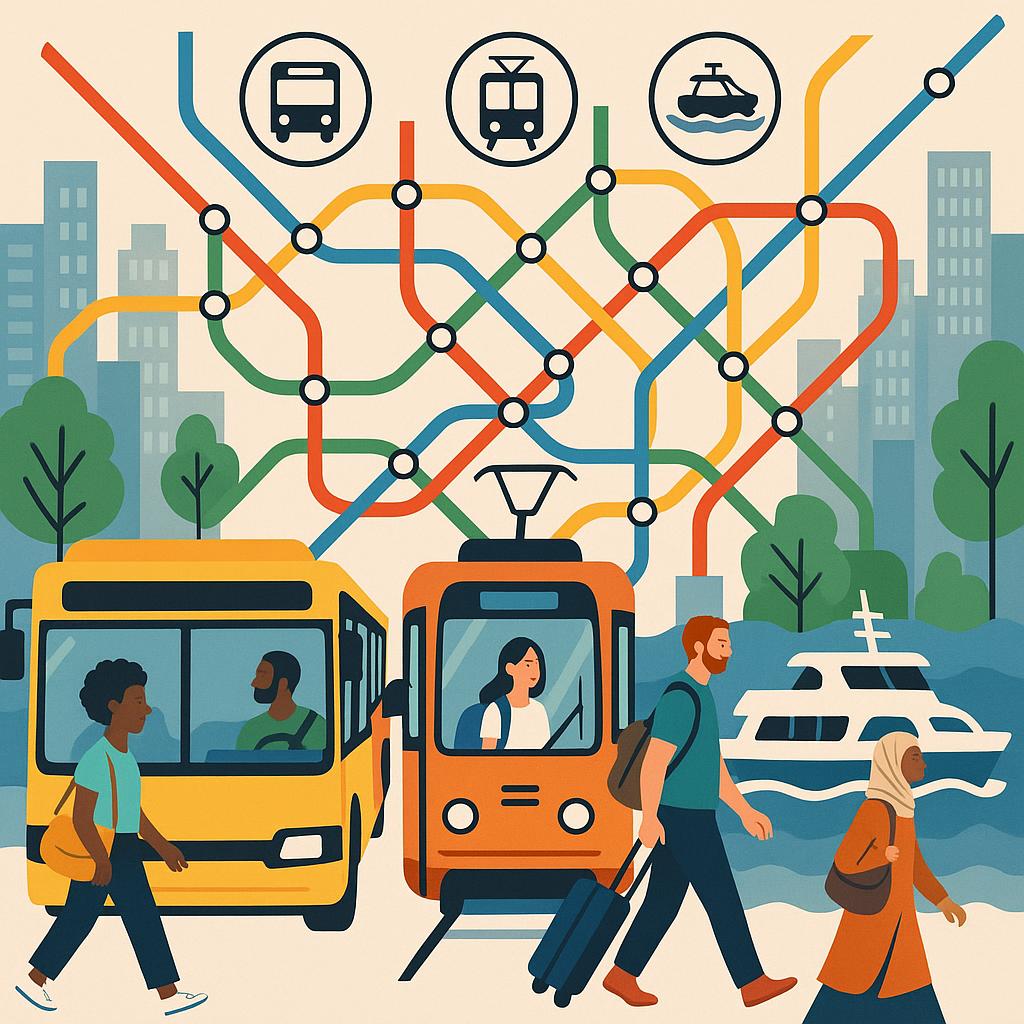
- Identify available modes: Most cities offer a combination of buses, trams, subways (metros), ferries, and sometimes shared bike or scooter programs. Understanding which modes are accessible and how they interconnect is foundational.
- Learn about ticketing systems: Ticketing varies widely — some cities use single-ride tickets, others favor day passes or contactless payment cards. Knowing how to pay and validate your ticket can prevent fines and delays.
- Research operating hours and frequency: Frequency of service and operating times vary by line and day of the week. Check schedules especially if traveling early morning, late evening, or on weekends.
Step-by-Step Planning Guide
Step 1: Define Your Destinations and Priorities
- Make a list of must-see attractions, neighborhoods, dining spots, or activities you want to fit in during your public transport day.
- Group nearby locations to reduce back-and-forth travel time and ease connections.
Step 2: Research Routes and Connections
- Use official transit maps, mobile apps, and city tourism websites to find transit routes linking your destinations.
- Pay close attention to transfer points and how long connections take.
Step 3: Acquire Tickets or Passes
- Purchase tickets electronically through apps when possible or at stations before you start your travel.
- Consider day passes or multi-day transit cards that offer unlimited rides within a period and may lead to savings.
Step 4: Plan Timing and Build in Flexibility
- Align transit schedules with the opening hours of your destinations to maximize time on-site.
- Include buffer time for possible delays, waiting times, and unexpected circumstances.
Step 5: Use Technology During the Day
- Install transit apps or city transport apps for live updates and rerouting suggestions.
- Set alerts for disruptions, delays, or service changes so you can adjust plans promptly.
Practical Examples
- A sample itinerary in a major city using the metro and bus system: Starting from a central station, take the metro to a museum district, then a bus to a local market, finishing with a tram ride back through a historic neighborhood.
- In a coastal city, combine ferry rides with tram lines to access seaside attractions and waterfront dining without a car.
- For cities with integrated bike-share programs, plan to use bikes for last-mile connections where public transit doesn’t directly reach your destination, combining cycling and buses/trains efficiently.
Common Pitfalls and How to Avoid Them
- Overloading your itinerary: Trying to fit too many destinations can lead to fatigue and missed connections. Plan realistically with time buffers.
- Ignoring ticket validation rules: Some systems require you to validate tickets immediately upon boarding or at station barriers. Skipping this can mean fines.
- Failing to check for service interruptions: Research potential strikes, scheduled maintenance, or disruptions in advance.
- Relying solely on static maps: Combine map reading with real-time digital tools for the most accurate information.
- Underestimating peak-hour crowding: Traveling during rush hour can slow you down and reduce comfort; try to avoid these times if possible.
Tools, Templates, and Resources
- Official city public transit apps or websites for maps, schedules, and ticket purchases.
- Multimodal trip planners like Moovit or Citymapper for route suggestions and real-time updates.
- Downloadable printable transit maps for offline use.
- Digital calendars or itinerary planners to schedule departure times, transfers, and activities effectively.
-
Helpful External Resource: The website Numbeo Traffic Rankings can give insights into public transport efficiency and traffic congestion in various cities to assist in planning.
Frequently Asked Questions (FAQ)
- Q1: How early should I start planning public-transport-only days?
Ideally, plan at least a few days in advance to familiarize yourself with routes and ticketing. - Q2: Can I use the same ticket for multiple transport modes?
Often yes, especially with day passes; verify validity for buses, trams, and metros. - Q3: What if I get lost or miss a connection?
Use mobile transit apps with real-time navigation or ask station staff for assistance. - Q4: Are public transport systems safe for tourists?
Yes, but stay aware of your surroundings and avoid isolated stations late at night. - Q5: How can I save money on transit in a new city?
Purchasing multi-day or tourist passes often offers cost benefits compared to single tickets. - Q6: What if public transport strikes occur?
Monitor local news and transit authority updates; have backup plans with taxis or bike-shares if needed. - Q7: Are there apps that combine transit info with trip itinerary planning?
Yes, apps like Citymapper allow integrating destinations with transit routing and alerts.
Conclusion
Planning public-transport-only days in a new city requires thoughtful preparation, but the effort results in cost savings, environmental benefits, and richer cultural immersion. Advance research, flexible scheduling, and leveraging technology enable travelers to overcome common transit challenges and enjoy seamless journeys. Embracing local public transportation transforms the way you explore, turning challenges into smooth and rewarding urban adventures.
For more creative ways to enjoy city adventures without a car, see our guides on free walking tour challenges with public transport and one-neighborhood one-day adventures for couples.