
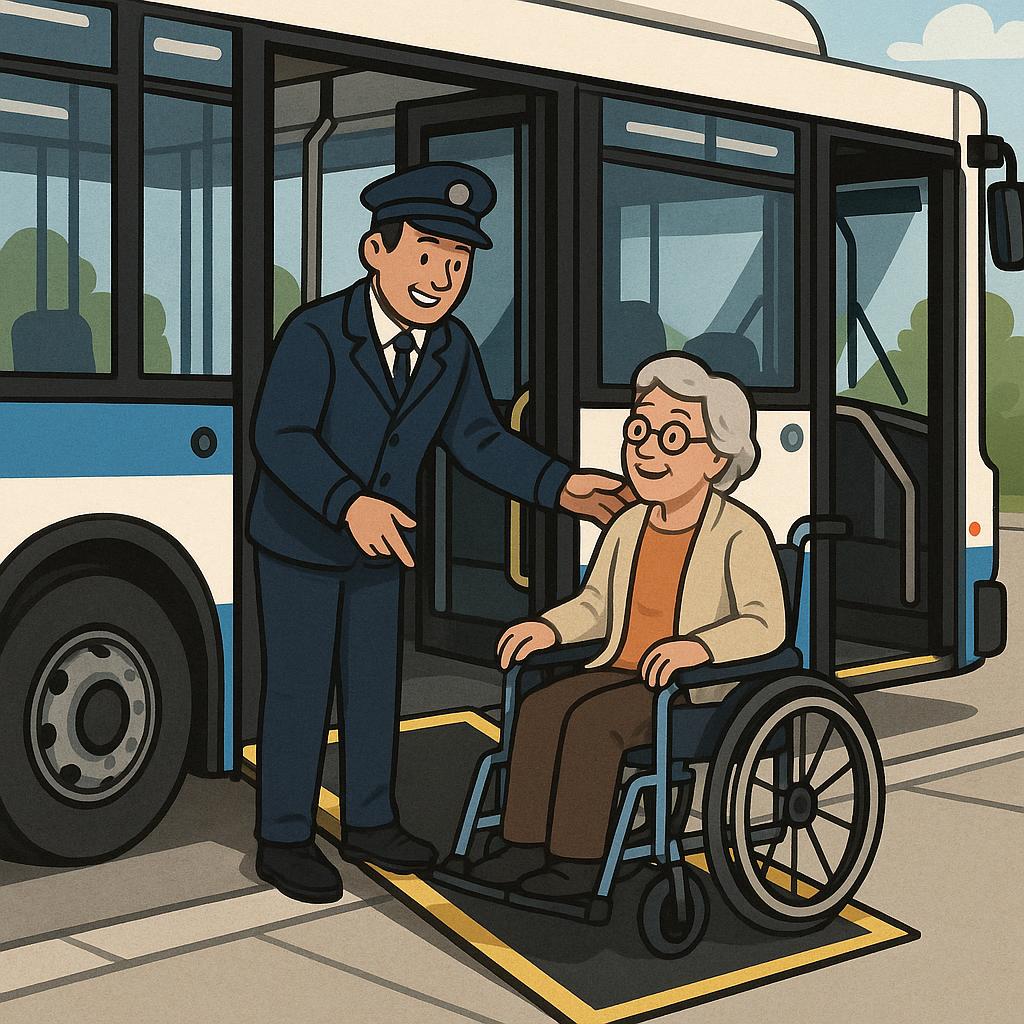
Quick Answer
- Plan accessible travel by researching transportation, accommodations, and local services ahead of time.
- Utilize public transit, ride-share apps, and accessible taxis.
- Check accessibility features and communicate with providers before booking.
- Prepare contingency plans to avoid surprises.
Key Takeaways
- Thorough research and early communication with service providers is crucial.
- Multiple transportation options ensure flexibility.
- Accessibility reviews and user feedback are valuable resources.
- Always have backup plans for unexpected situations.
Introduction
Traveling without a car presents unique challenges, especially for travelers requiring accessible options. Planning ahead is paramount to ensure mobility and comfort. Thorough preparation helps mitigate surprises such as inaccessible transit, unsuitable accommodations, or unforeseen logistical hurdles.
How Can I Research Accessible Transportation Options?
- Identify and study local public transit systems that provide accessible buses, trams, or trains. Many cities publish accessibility features online.
- Utilize specialized apps and websites dedicated to accessible ride services—for example, services offering wheelchair-accessible vehicles.
- Reach out to local disability organizations or tourism offices, which often have up-to-date recommendations and tips.
What Should I Consider When Booking Accommodations?
- Verify that the property adheres to ADA standards or local equivalents, ensuring step-free entry, reachable controls, and proper bathroom facilities.
- Examine room layouts for features such as grab bars, clear turning space, and accessible showers or tubs.
- Consult recent guest reviews, focusing on those that mention accessibility to get real-world insights.
- Contact the property directly prior to booking to discuss specific needs and confirm availability of accessible rooms.
How Do I Plan My Day-to-Day Activities Without a Car?
- Map out attractions within walking distance or reachable via accessible public transit routes.
- Consider booking guided tours specializing in accessibility; some tours provide mobility aids and adapted vehicles.
- Allow buffer time in your schedule for possible delays when using public transportation or ride-shares.
What Are the Common Pitfalls to Avoid?
- Assuming services are fully accessible without verification; always confirm in advance.
- Overlooking the necessity for advance bookings for accessible transport, which often require scheduling ahead.
- Failing to check the last-mile accessibility from transit stops to final destinations, such as curb cuts or ramps.
- Ignoring environmental factors — like weather or terrain — that impact mobility and transportation reliability.
Step-by-Step Guide to Planning Accessible Travel Without a Car
- Define your accessibility requirements clearly. Know exactly what mobility aids, features, or assistance you need.
- Research accessible transportation modes. Explore public transit accessibility, accessible taxis, and ride-share services.
- Book accommodations with confirmed accessibility features. Prioritize verified accessible hotels or rentals.
- Plan your itinerary leveraging accessible routes and transport schedules. Map trips considering walking distances and public transit frequency.
- Contact providers ahead. Reconfirm accessible room availability, transport services, and any supplemental assistance.
- Prepare backup plans and emergency contacts. Identify alternate routes or transport providers in case of delays or issues.
- Pack necessary mobility aids and documentation. Bring essential equipment plus any disability documentation that might facilitate services.
Examples of Accessible Travel Without a Car
- Using wheelchair-accessible buses and trams available in urban centers such as New York City or Berlin, where transit agencies provide detailed accessibility information.
- Hiring accessible ride-share vehicles through apps with accessibility filters or requesting accessible taxis via local dispatch centers.
- Joining guided accessible city tours that tailor routes and vehicles for mobility aids, allowing comfortable city exploration without needing a personal vehicle.
Frequently Asked Questions (FAQ)
- What if my accommodation isn’t fully accessible?
- Contact the property directly to discuss your needs and possible alternatives. Consider booking a different property or looking into short-term rentals that list detailed accessibility features.
- How do I find accessible taxis in a new city?
- Use local ride-share apps with accessible vehicle options or call dedicated accessible taxi services. Local disability organizations can provide recommended contacts.
- What documents should I carry when traveling accessibly?
- Bring identification, disability documentation if required, and any prescription or assistive device paperwork that may be helpful in emergencies or to access services.
- Are accessible public transit schedules reliable?
- Reliability varies by location. It’s important to allow extra time and have backup transport options just in case of delays or service interruptions.
- Can I use mobility aids on public transport?
- Most accessible public transit systems allow mobility aids such as wheelchairs and scooters, but check specific vehicle restrictions beforehand.
- How do I plan last-mile accessibility from bus or train stops?
- Research sidewalks, curb cuts, and distance from stops to destination to ensure smooth transitions. When in doubt, arrange pickup with accessible taxis or ride-shares.
Conclusion
Planning accessible travel without a car requires detailed research and proactive communication with service providers. Leveraging multiple transportation options and verifying accessibility ensures flexible, surprise-free experiences. Combining these steps with backup plans secures a smooth, enjoyable journey for travelers relying on accessible travel methods.
Additional Resources
- Disabled Travelers – Comprehensive resource for accessible travel tips worldwide.
- AccessibleGO – Platform for booking accessible hotels and tours.
- ADA.gov – Information on accessibility standards in the United States.
- Booking.com – Search for accommodations with verified accessibility features.
Table of Contents
- Quick Answer
- Key Takeaways
- Introduction
- How Can I Research Accessible Transportation Options?
- What Should I Consider When Booking Accommodations?
- How Do I Plan My Day-to-Day Activities Without a Car?
- What Are the Common Pitfalls to Avoid?
- Step-by-Step Guide to Planning Accessible Travel Without a Car
- Examples of Accessible Travel Without a Car
- Frequently Asked Questions (FAQ)
- Conclusion
For further reading about seamless travel planning, check our guides on How to Use Travel Apps and Stay Connected While Moving Fast, How Do You Plan Airport Transfers for Early Flights Without Rushing?, and How Can You Choose Travel Insurance for Beginners Without Confusion?.