
Quick Answer
- Micro-neighborhoods that feel most local and are reachable by public transport typically combine pedestrian-friendly streets, a strong presence of independent shops, cafes, and markets, and active community engagement.
- Examples of such neighborhoods include Astoria in New York City, Deptford in London, Canal Saint-Martin in Paris, and Shimokitazawa in Tokyo — all accessible via reliable subway or bus routes.
Key Takeaways
- Travelers seeking authentic local experiences benefit greatly from areas well-connected by public transport to avoid reliance on cars.
- The atmosphere of micro-neighborhoods varies, but those that maintain walkability, local businesses, and active residents best convey a “local” feel.
- Each major city offers unique micro-neighborhoods that epitomize its local culture; knowing transit options helps unlock these areas without tourist crowds.
Pros & Cons
- Pros:
- Easy access promotes sustainable and efficient travel without car dependency.
- Immersive local culture experiences through authentic shops, eateries, and community events.
- Supports the vitality of small, independent businesses and resident-led initiatives.
- Cons:
- Neighborhoods may feel less polished or lack tourist amenities, posing comfort challenges.
- Public transport schedules can restrict flexibility for exploring at different times.
- Depending on the area, safety or comfort concerns may require additional awareness.
What Defines a “Local” Micro-Neighborhood?
- These neighborhoods are characterized by a prevalence of independent shops, locally owned cafes, farmers’ markets, and communal spaces rather than chain stores and tourist traps.
- Strong resident involvement, such as local events, community groups, and cultural activities, enhances the authentic local atmosphere.
- Demographic stability and a mix of longtime residents and newer locals contribute to an enduring neighborhood identity.
Step-by-Step: How to Identify These Neighborhoods
- Begin by researching public transit lines and stops that connect to various city micro-neighborhoods.
- Identify areas that receive limited tourist foot traffic but show high local patronage, often noted in city guides or transit maps.
- Consult local blogs, online forums, and social media groups for insider insights and up-to-date recommendations.
- Plan visits during different parts of the day and week to gauge neighborhood dynamics and verify authenticity.
- Observe the commercial mix; neighborhoods favoring local businesses over chains often provide a more genuine experience.
Examples of Notable Micro-Neighborhoods
- New York City: Astoria (Queens) 97 Accessible via the N and W subway lines, Astoria boasts a strong community vibe with diverse local eateries, art establishments, and shops frequented by residents, not tourists.
- London: Deptford 97 Served by rail and several bus routes, Deptford offers a vibrant arts scene, a bustling street market, and genuine neighborhood interactions.
- Paris: Canal Saint-Martin Area 97 Reachable by Métro lines 3 and 5, this area features independent boutiques, cozy cafes, and lakeside walks popular with locals.
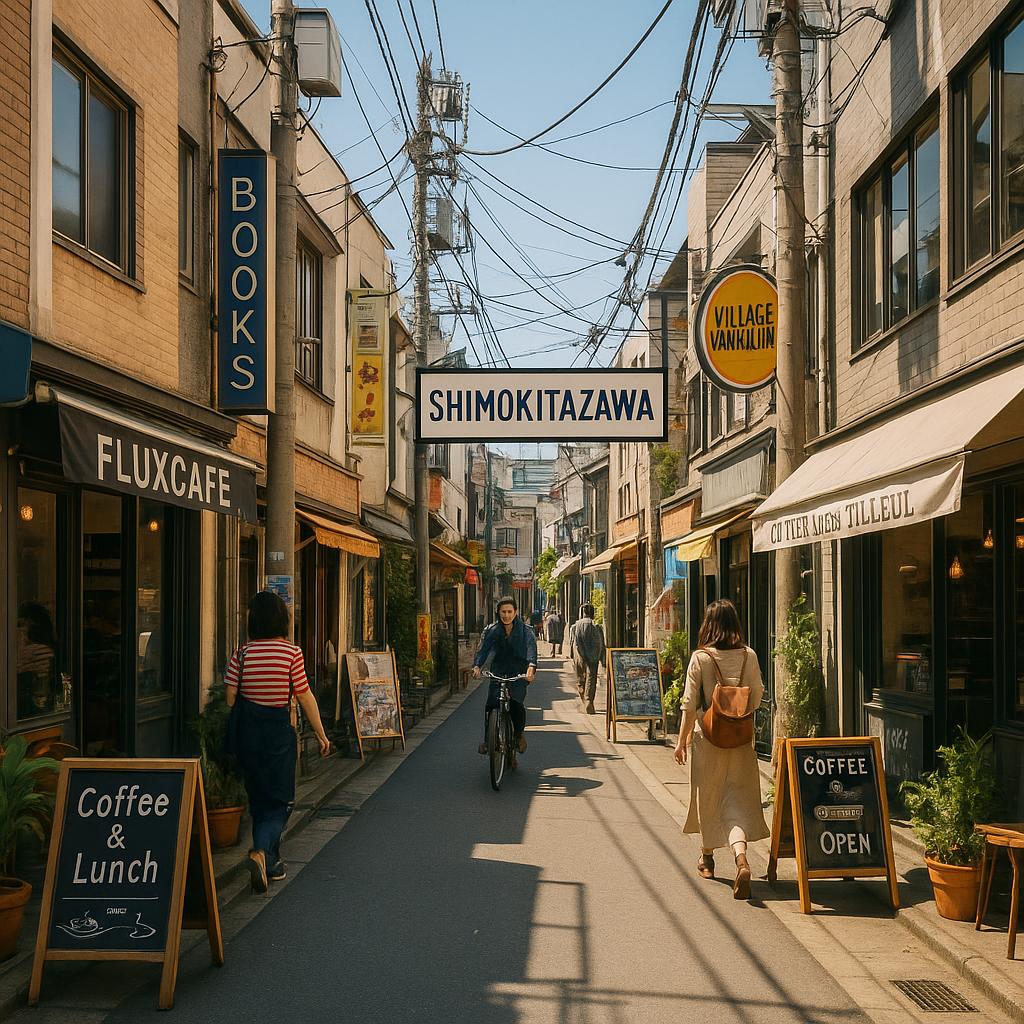
- Tokyo: Shimokitazawa 97 Connected by the Odakyu and Keio Inokashira Lines, Shimokitazawa is known for its indie rock theaters, vintage shops, and laid-back local ambience.
Each of these neighborhoods is served by reliable public transit systems, enabling visitors to explore without needing a car.
Common Pitfalls to Avoid
- Assuming that neighborhoods popular with tourists always reflect authentic local life can lead to superficial experiences.
- Overlooking last-mile connectivity options such as walking distance and bike-sharing availability after public transit can reduce accessibility.
- Visiting only during peak tourist seasons or weekends may mask typical local life dynamics.
Checklist for Exploring Local Micro-Neighborhoods by Public Transport
- Identify transit stops serving multiple local destinations within the neighborhood.
- Research local blogs or community social media pages for current events and hotspots.
- Plan visits at varied times to witness different community activities and avoid tourist crowds.
- Prioritize walkability and safety in assessing the area.
- Use localized transit apps or maps for efficient route planning.
Tools & Resources
- AI Travel Itinerary Planner to customize transit-based exploration plans.
- City public transit official websites and apps for real-time schedules and route planning.
- Local community blogs and platforms like Meetup or city-specific forums for insider tips.
- Online street maps with pedestrian navigation to gauge walkability.
Frequently Asked Questions (FAQ)
- Q: What is the best time to visit these neighborhoods to experience local life?
A: Weekday mornings or late afternoons often show authentic daily routines away from tourist peak times. - Q: Are these neighborhoods safe for solo travelers?
A: Most are generally safe, but it is advisable to research specific areas and follow usual urban safety precautions. - Q: How can I verify if a neighborhood is truly local and not overly commercialized?
A: Check for predominance of smaller, independent businesses and look for community events or local art installations. - Q: Can I use city transport passes to explore multiple micro-neighborhoods in one day?
A: Yes, most cities offer day passes or reloadable cards that make hopping between neighborhoods economical and convenient. - Q: Are there apps recommended for finding local events and markets?
A: Apps like Meetup, Eventbrite, or even local Facebook groups can provide up-to-date event listings.
Conclusion
- Exploring micro-neighborhoods reachable by public transport is a rewarding way to experience the authentic cultural fabric of a city beyond tourist hotspots.
- Prioritizing walkability, local business presence, and community activity leads to genuinely local encounters.
- With deliberate research and use of transit resources, travelers can uncover vibrant neighborhoods that offer richer, more meaningful visits.