
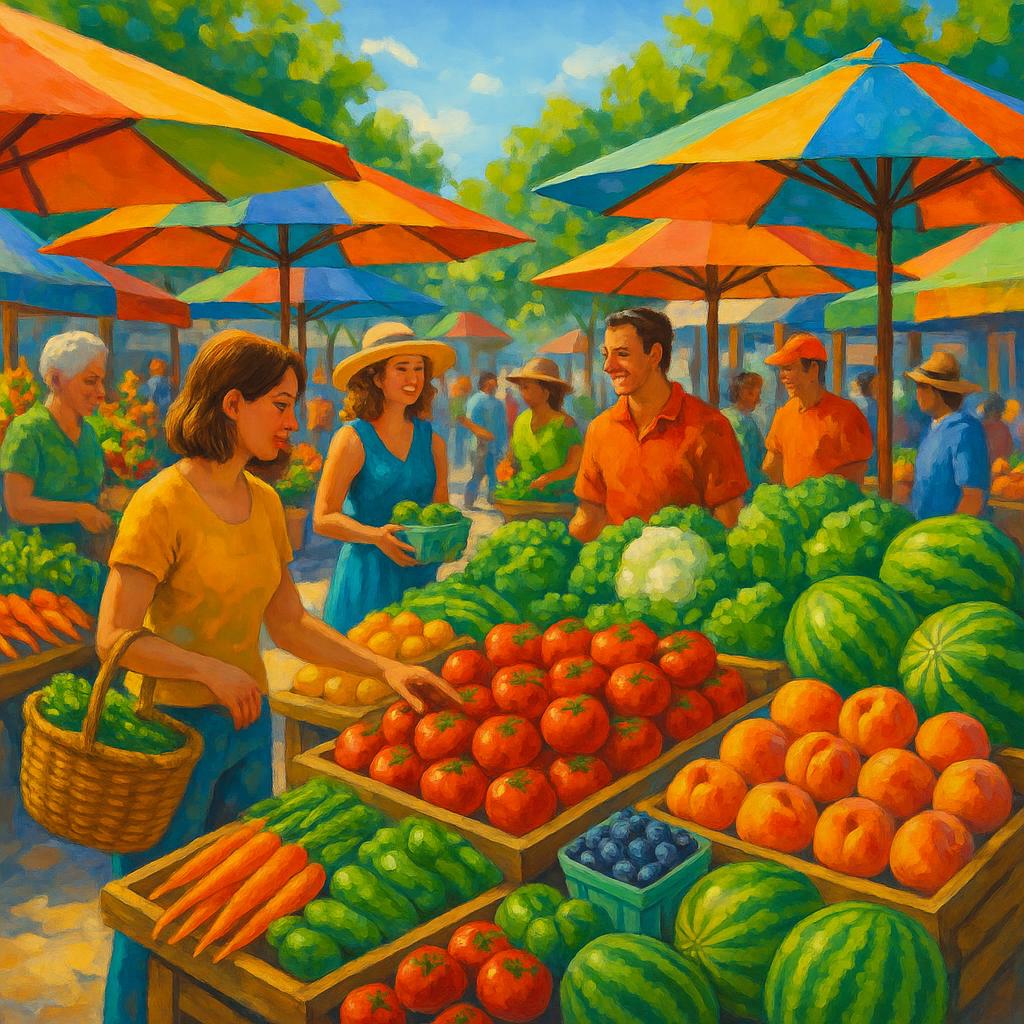
Quick Answer
- Explore local markets in nearby towns or cities.
- Shop fresh produce, crafts, and local goods.
- Enjoy cultural experiences and authentic food.
- Combine market visits with other local attractions.
Key Takeaways
- Market-to-market day trips offer a rich blend of shopping, dining, and sightseeing.
- Summer is ideal for visiting open-air markets and enjoying outdoor activities.
- Plan your itinerary around market days and operating hours.
- Include transport, dining, and activities for a seamless experience.
- Common pitfalls include poor planning, overcrowding, and lack of cash or local currency.
- Prepare with a checklist and research to maximize enjoyment and convenience.
Introduction
Market-to-market day trips are an engaging summer activity that combines shopping with leisure and local cultural discovery. They provide benefits such as access to fresh local products, artisan crafts, and unique experiences that are often only available seasonally. These trips are ideal for travelers and locals alike who want to explore multiple vibrant markets without the intensity of overnight travel.
What Is a Market-to-Market Day Trip?
A market-to-market day trip involves visiting two or more local markets within a single day, usually by car, bicycle, or public transport. The main focus is exploring regional specialties and supporting local vendors while enjoying the distinct atmosphere each market offers. These trips often include diverse market types—from farmers’ markets and flea markets to craft fairs and specialty food markets—creating a varied sampling of local culture and commerce.
How to Plan a Market-to-Market Day Trip in Summer
- Research Markets: Identify market days, operating hours, locations, and what each market specializes in. Some markets may operate only once a week.
- Map Your Route: Plot the markets geographically to design an efficient travel route minimizing transit time.
- Select Markets with Complementary Offerings: For instance, one market might focus on fresh produce while another highlights crafts or antiques.
- Plan Meals and Hydration: Schedule meal stops either at markets with food stalls or nearby cafés to keep energy up in summer heat.
- Check Local Events: Festivals or special events often coincide with market days, enriching the experience.
- Prepare Essentials: Bring cash in local currency, reusable bags, sunscreen, hats, comfortable walking shoes, and water.
Important: Many markets prefer cash payments and have limited or no card facilities. Have sufficient local currency to avoid missing out.
Examples of Market-to-Market Day Trips
- Coastal Route: Morning at a bustling fish market where fresh catches are auctioned, followed by an afternoon visit to an artisanal craft market showcasing local pottery and handmade textiles.
- Rural Experience: Start at a morning farmers market offering fresh vegetables and homemade cheeses, then visit a nearby historic village market combined with a park picnic for relaxation.
- Urban Adventure: Explore a city street market known for street food and vintage clothes, then head to an afternoon flea market or food truck festival in another neighborhood.
Common Pitfalls to Avoid
- Starting the day too late, resulting in missing peak market hours when selection and atmosphere are best.
- Failing to bring enough cash or appropriate local payment options, limiting purchases.
- Ignoring weather forecasts; summer heat or sudden rains can affect comfort and market operations.
- Overpacking heavy bags or insufficiently preparing with snacks, sun protection, and water.
- Neglecting to plan sufficient rest and refreshment breaks, leading to fatigue.
Checklist for a Market-to-Market Day Trip in Summer
- Identify market days and open hours.
- Plan route and transit options.
- Carry sufficient local currency.
- Pack reusable bags and cooler for perishables.
- Bring sun protection: sunscreen, hat, sunglasses.
- Wear comfortable walking shoes.
- Pack water bottle and light snacks.
- Check weather and dress accordingly.
- Note locations of cafes or rest areas.
- Charge mobile phone with maps and emergency contact info.
Tools and Resources
- Booking.com local stays near markets: Convenient accommodation if extending your market adventure overnight.
- Local tourism websites: Often publish updated market schedules and special event listings.
- Mapping apps (Google Maps, Citymapper): Route planning and real-time transit info.
- Weather apps: For timely forecasts to adapt plans.
- Reusable shopping bags and portable coolers: Environmentally friendly and practical for fresh goods.
FAQ
- Q: Are all markets open daily in summer?
A: No, many markets have specific weekly days and times. Check schedules in advance. - Q: Can I use credit/debit cards at markets?
A: Some markets accept cards, but many prefer or require cash; always carry sufficient cash. - Q: How should I handle food safety with fresh market purchases?
A: Use coolers if you’ll consume perishables later, and eat or refrigerate items promptly. - Q: Are market-to-market trips suitable for families?
A: Yes, with planning for breaks and kid-friendly activities, they can be engaging for all ages. - Q: What transportation modes are best?
A: Depends on market locations; car offers flexibility, while public transport reduces parking hassles. Cycling is great if markets are close. - Q: Is it advisable to avoid peak summer heat?
A: Early mornings or late afternoons at markets can be cooler and less crowded. - Q: How to find unique or less touristy markets?
A: Research local blogs, community boards, and tourism sites for hidden gems often favored by locals.
Conclusion
Market-to-market day trips are an excellent way to immerse yourself in local culture during the summer months. They combine fresh shopping opportunities with cultural discovery and outdoor enjoyment. Thoughtful planning around market schedules, transport, and essentials ensures a memorable and smooth experience. Whether exploring coastal artisan markets or rural farmers’ bazaars, these trips are a rewarding summer pastime to explore on your own or with company.
For more on creative day trips and travel planning, consider our guides on one-neighborhood one-day adventures and train station mini trips with minimal planning.