
Quick Answer
Hybrid hotel and co-working spaces blend traditional lodging with flexible work environments, addressing the needs of remote workers and business travelers who seek seamless productivity alongside comfort. These spaces feature integrated amenities such as private workstations, meeting rooms, and high-speed internet, setting new standards for accommodation in the digital workplace era.
Key Takeaways
- Hybrid spaces integrate hospitality with functional work zones to serve evolving traveler demands.
- They provide essential amenities including Wi-Fi, meeting rooms, and ergonomic work areas.
- Benefits include expanded revenue streams for hotels and enhanced convenience for guests.
- Challenges center on balancing a welcoming hospitality atmosphere with professional workspace needs.
- Successful implementations rely on thoughtful design, technology integration, and clear service delineation.
People Also Ask
What defines a hybrid hotel and co-working space?
It is a lodging facility that incorporates co-working features—such as dedicated workstations, meeting rooms, and business services—directly within the hotel environment for guests.
Who benefits most from these hybrid spaces?
Remote workers, business travelers, freelancers, and digital nomads who require professional work environments while traveling.
Are hybrid hotel spaces more expensive than traditional hotels?
Pricing varies, but hybrid hotels may carry premium rates due to the inclusion of workspace amenities and technological support.
Can hybrid hotels accommodate large corporate events?
Many hybrid hotels offer modular meeting spaces designed to serve groups of varying sizes, combining business functionality with hospitality.
What technology is essential in hybrid hotel workspaces?
High-speed Wi-Fi, secure networks, video conferencing tools, and charging stations are key technology components.
FAQ
How do hybrid hotels differ from standard business hotels?
Hybrid hotels intentionally embed co-working infrastructure and services into the lodging experience, often providing more flexible, communal, and technology-enhanced work environments than traditional business hotels.
What amenities are typically included in a hybrid co-working hotel?
Amenities usually consist of private or shared desks, meeting rooms, high-speed internet, printing services, private phone booths, coffee bars, and lounge areas optimized for remote work.
Are hybrid hotel spaces suitable for leisure travelers?
Yes. Leisure travelers benefit from the flexibility and added amenities, particularly when blending business with leisure or preferring work-friendly stays.
How can hotels optimize these hybrid spaces for guest satisfaction?
By creating distinct zones for work and relaxation, ensuring reliable connectivity, maintaining quiet environments, and providing professional support staff.
Do hybrid co-working hotels impact traditional hotel revenue models?
Yes. They open new revenue streams through workspace rentals and flexible event hosting, alongside standard room bookings.
What are common pitfalls when creating hybrid hotel spaces?
Common errors include poorly planned spatial layouts, insufficient internet infrastructure, inadequate soundproofing, neglecting hospitality atmosphere, and unclear service definitions.
How can guests book hybrid workspaces in hotels?
Many hotels offer online platforms allowing guests to reserve rooms as well as workspace passes or memberships.
Entity Glossary
- Hybrid Hotel: A lodging property combining traditional hotel services with integrated co-working facilities to support remote work and business activities.
- Co-Working Space: Shared workspaces offering desks, technology, and collaboration areas for independent professionals and remote teams.
- Digital Nomad: Individuals leveraging technology to work remotely while traveling or leading a location-independent lifestyle.
- Ergonomic Workspace: A work environment designed to optimize comfort, efficiency, and health, including appropriate furniture and layout.
- Business Traveler: A person traveling primarily for work purposes, requiring accommodation with office-like amenities.
- Flexible Workspace: A work area with adaptable layouts and short-term use options, suited for variable occupancy and collaboration styles.
- High-Speed Internet: Fast and reliable connectivity, crucial for uninterrupted virtual meetings and cloud-based workflows.
Table of Contents
- What Is a Hybrid Hotel and Co-Working Space?
- Why Are Hybrid Spaces Rising in Popularity?
- Key Benefits for Travelers and Hotels
- Design and Operational Challenges
- Best Practices for Implementing Hybrid Spaces
- Pros and Cons of Hybrid Hotel Co-Working Spaces
- Checklist for Choosing or Creating Hybrid Spaces
- Common Mistakes to Avoid
- Tools and Resources for Hybrid Hospitality
What Is a Hybrid Hotel and Co-Working Space?
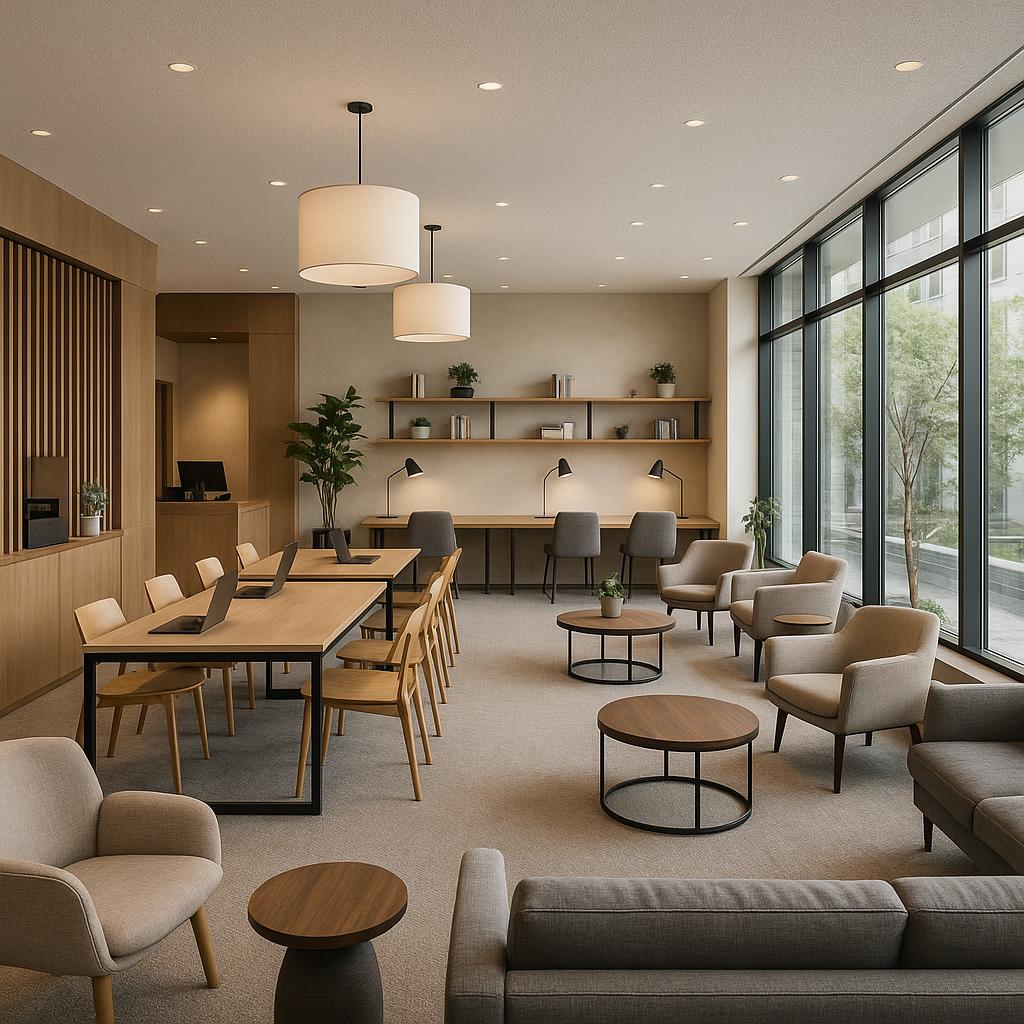
Hybrid hotels thoughtfully combine traditional lodging services with dedicated work environments. These accommodations cater to modern travelers who require both comfort and productivity, featuring private desks, soundproof meeting rooms, reliable high-speed internet, and communal lounges within or adjacent to the hotel.
Why Are Hybrid Spaces Rising in Popularity?
Post-pandemic shifts toward remote and flexible work have heightened demand for lodging that supports professional needs. Business travelers and digital nomads seek accommodations that enable seamless transitions between rest and work. Hotels adopt this model to diversify offerings, attract new client segments, and boost revenue streams beyond traditional lodging.
Key Benefits for Travelers and Hotels
- Convenience: Workspaces within the hotel enhance guest productivity and satisfaction.
- Connectivity: Reliable high-speed internet and business services ensure uninterrupted operations.
- Networking: Shared co-working spaces encourage professional interactions and collaboration opportunities.
- Revenue Growth: Hotels generate income through workspace rentals and day passes alongside room bookings.
- Longer Stays: Facilities appealing to both business and leisure travelers promote extended visits.
Design and Operational Challenges
Meeting both relaxation and professional needs requires balancing ambiance, noise control, and spatial planning. Essential investments include robust network infrastructure and ergonomic furnishings. Additionally, staff must be trained to support varied guest demands effectively.
Best Practices for Implementing Hybrid Spaces
- Separate zones for quiet, fully equipped workspaces and relaxing, social areas.
- Strong IT infrastructure supported by dedicated technical staff.
- Flexible booking options—hourly, daily, or bundled with accommodation.
- Ergonomic, adjustable workstations with ample lighting.
- Staff trained to provide business services and technical assistance.
- Secure access control for privacy and safety within work areas.
- Continuous guest feedback collection to refine workspace offerings.
Pros and Cons of Hybrid Hotel Co-Working Spaces
| Pros | Cons |
|---|---|
| Attracts modern, diverse clientele | Potential noise conflicts if zoning is inadequate |
| Generates additional revenue from workspace services | Requires capital investments and ongoing maintenance |
| Enhances guest satisfaction through multifunctionality | Staff require specialized training to manage hybrid setups |
| Positions hotel as innovative and adaptable | Balancing hospitality with work atmospheres is complex |
| Promotes networking and community building | Spaces may be underused during non-peak times |
Checklist for Choosing or Creating Hybrid Spaces
- Reliable, fast Wi-Fi optimized for business use.
- Private and shared work areas equipped with ergonomic seating.
- Meeting rooms equipped with modern technology.
- Workspaces accessible around the clock or aligned with guest schedules.
- Sound insulation between work and leisure zones.
- Staff trained in supporting business travelers and remote workers.
- Flexible workspace booking independent of room reservations.
- Environment conducive to productivity without compromising comfort.
Common Mistakes to Avoid
- Overcrowding work areas, hampering comfort and output.
- Poor soundproofing that allows disruptive noise.
- Insufficient technical support and slow internet speeds.
- Unclear separation between business and hospitality zones.
- Use of non-ergonomic furniture causing discomfort.
- Failing to refresh technology and amenities regularly.
- Ignoring guest feedback on workspace usability and ambiance.
Tools and Resources for Hybrid Hospitality
- WeWork Resources – Expert guidance on co-working space management and design.
- Hospitality Net – Industry insights on hospitality trends and innovation.
- Entrepreneur: Rise of Hybrid Hotel Workspaces – Analytical perspectives on hybrid accommodation models.
- ArchDaily – Architectural inspiration for mixed-use hospitality and workspaces.
- TechRadar Business Tech Reviews – Technology recommendations for hybrid work environments.
Illustration of a hybrid hotel co-working area designed for both productivity and relaxation.
Hybrid hotels are transforming accommodation and remote work paradigms. By aligning guest comfort with functional workspace needs, they offer a compelling model for the modern traveler. For further insights on enhancing your accommodation experience, explore authoritative resources on hotel loyalty programs and room arrangement strategies.