
Quick Answer
- Prioritize essentials by making a precise packing list tailored to carry-on size limits.
- Choose versatile, lightweight clothing and pack strategically to maximize space.
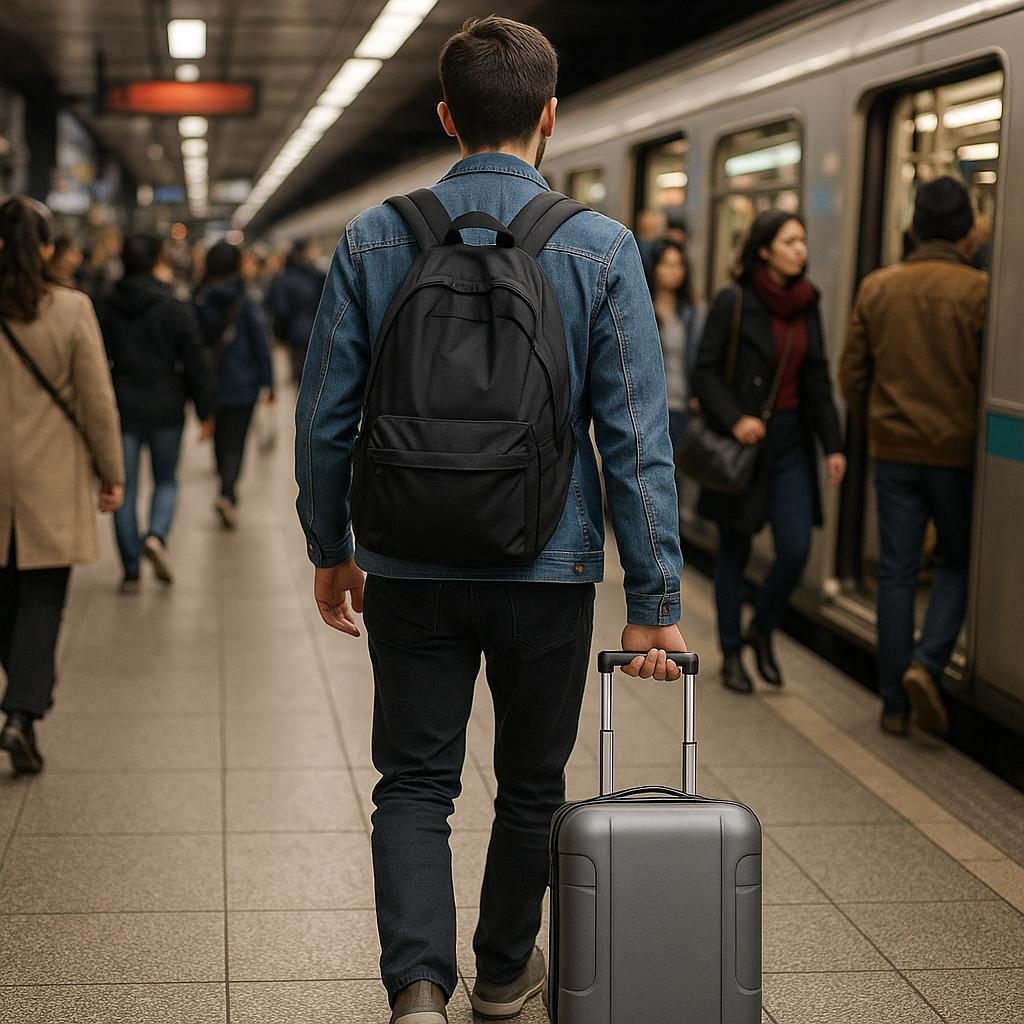
- Use compact, durable luggage and organize items for easy access and transport on public transit.
- Plan your transport routes and timing to avoid rush hours and minimize hassle.
Key Takeaways
- Rolling clothes and using packing cubes saves space and keeps items organized.
- Limit toiletries to travel-sized containers compliant with airline regulations.
- Wear your bulkiest items on the commute to reduce luggage weight.
- Research public transport options in advance to ensure smooth transfers with carry-on luggage.
Introduction
Traveling with only carry-on luggage while relying on public transport can be challenging for first-timers. It requires thoughtful packing, understanding transit logistics, and preparation to ensure a smooth journey. This guide walks you through practical steps to pack efficiently, manage your luggage, and navigate public transport confidently.
How to Plan Your Packing for Carry-On Only
Step 1: Choose the Right Luggage
- Opt for lightweight, durable carry-on suitcases or backpacks that comply with your airline’s size limits.
- Ensure the luggage has smooth-rolling wheels or comfortable straps for handling on uneven surfaces and stairs common in public transport.
Step 2: Make a Detailed Packing List
- Create a list focused on versatile clothing that can mix and match easily—for example, neutral colors and layering pieces.
- Plan outfit combinations in advance to avoid overpacking redundant items.
- Include essentials such as chargers, travel documents, medication, and a compact toiletry kit filtered by airline liquid restrictions.
Step 3: Utilize Packing Techniques
- Roll clothes tightly to maximize space and minimize wrinkles.
- Pack with organizers such as packing cubes or compression bags to keep your items neat and reduce bulk.
Navigating Public Transport with Carry-On Luggage
Step 1: Research Your Route
- Identify the best public transport modes and schedules, avoiding rush hours for less crowded conditions.
- Plan all transfers, walking distances, and elevation changes to prepare for manageable luggage handling.
Step 2: Prepare for Transit
- Wear your heaviest and bulkiest clothing items to save luggage space and weight—this also reduces the burden while moving through transit.
- Keep important documents, valuables, and small necessities in an accessible bag or pocket to avoid delays.
Step 3: Manage Your Luggage On-the-Go
- Choose luggage with sturdy handles and wheels designed for some toughness—potholes, subway stairs, and uneven sidewalks are common obstacles.
- Remain vigilant with your bags; keep them close and secure to avoid theft or loss in crowded transit environments.
Common Pitfalls to Avoid
- Overpacking, resulting in oversized or overweight carry-on that complicates maneuvering.
- Ignoring airline liquid guidelines, which can lead to having to discard toiletries at security.
- Underestimating the physical effort to carry or maneuver luggage over multiple public transit modes.
- Failing to plan transit routes and times, causing rushed or complex transfers with cumbersome bags.
Examples of Successful Carry-On Packing
- A business traveler fitting three days of professional attire and electronic equipment into a carry-on backpack for seamless public transit movement.
- A tourist organizing casual outfits plus essentials into packing cubes for a week-long trip, facilitating quick packing and unpacking with a wheeled carry-on.
- A student fitting school materials and travel necessities efficiently into a streamlined wheeled carry-on suitcase for a multi-stop journey by bus and train.
FAQ
- What are typical carry-on size restrictions? Most airlines limit carry-ons to approximately 22 x 14 x 9 inches (56 x 36 x 23 cm), but always check your specific airline’s rules.
- How can I travel with liquids on public transport and flights? Use travel-sized containers (usually 100 ml or less per container) and pack them inside a clear, resealable plastic bag for airport security compliance.
- What if my public transport requires stairs or walking long distances? Opt for lightweight luggage, wear comfortable shoes, and pack lighter by wearing heavier clothing items during transit.
- Can I bring electronics and chargers easily? Yes, organize them in a small separate pouch within your carry-on for quick access during security checks and transit.
- Is it better to use a backpack or wheeled carry-on for public transport? It depends on your route: backpacks are better for stairs and crowded spaces, while wheels reduce effort on smooth surfaces.
Conclusion
Packing carry-on only and navigating public transport effectively requires intentional preparation. Choosing appropriate luggage, packing only what you truly need, and planning your journey around public transport logistics are essential steps for first-time travelers. With experience, these strategies become second nature, enabling smooth, efficient trips without excess baggage hassle.
For further packing techniques, you might also find our detailed guide on how to travel carry-on only for long trips useful as a complementary resource.
Checklist for First-Time Carry-On Packing with Public Transport
- Confirm airline carry-on size and weight limits.
- Select lightweight, compact luggage suited for your route.
- Create a detailed packing list prioritizing versatile clothing and essentials.
- Roll clothes and pack with cubes or compression bags.
- Organize toiletries in travel-approved containers within a clear bag.
- Prepare electronics and chargers in an accessible pouch.
- Wear heavy clothing and sturdy shoes during transit.
- Plan your public transport route, timing, and transfer points.
- Keep all documents and valuables easily reachable.
- Stay aware of your surroundings and secure your luggage throughout the journey.
Tools & Resources
- Packing cubes and compression bags to optimize space.
- Lightweight, durable carry-on backpacks or spinner suitcases.
- Transit apps and route planners (city-specific) to optimize public transport journeys.
- Travel toiletry containers compliant with airport security rules.
- Travel checklist templates for customized packing planning.
- Trusted travel safety and etiquette guides for public transport.
- For accommodation booking, consider Booking.com for a wide selection of options.