
Quick Answer
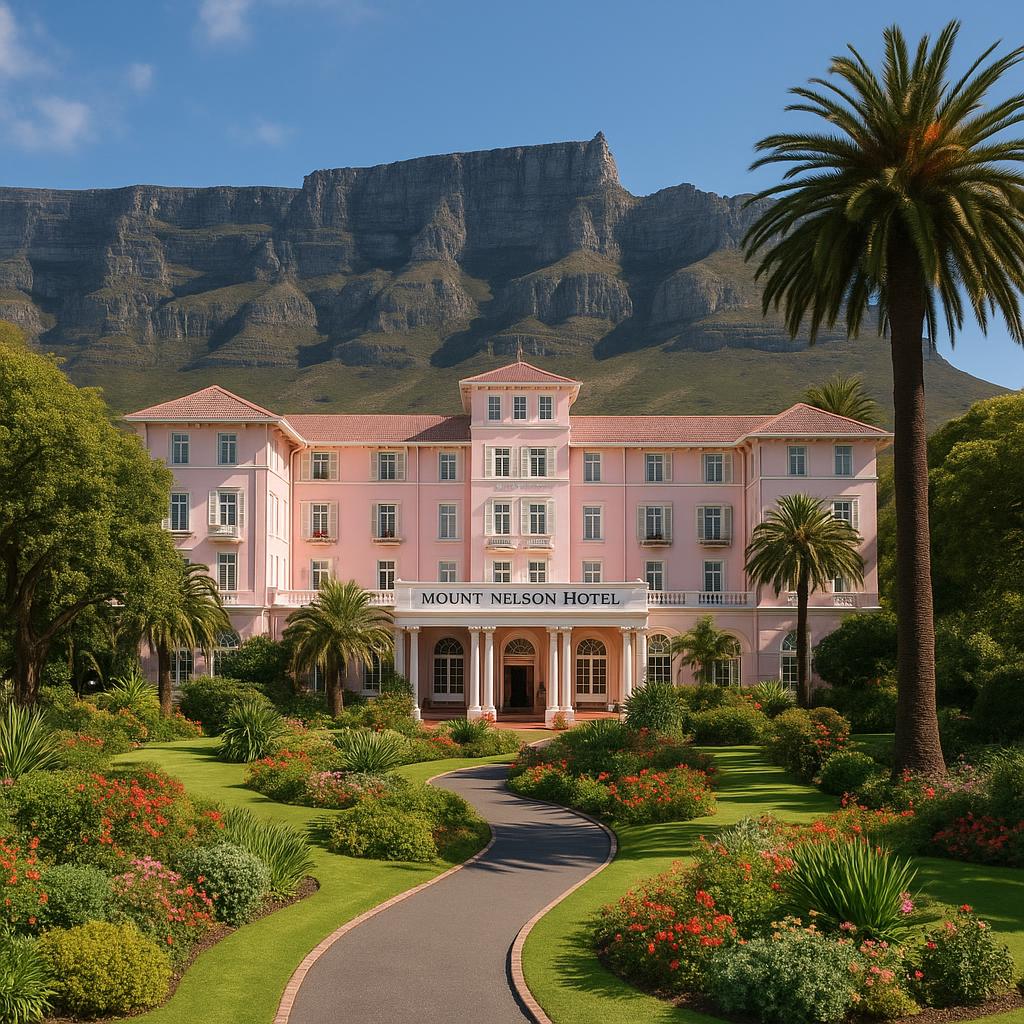
- Mount Nelson, A Belmond Hotel, is a historic luxury hotel in Cape Town known for its iconic pink facade, lush gardens, and classic elegance.
- It offers a peaceful garden oasis in the heart of the city with refined accommodations, world-class dining, and exceptional service.
- Visitors can enjoy tranquil walks among century-old trees, relax in the spa, or explore nearby attractions like Table Mountain and the V&A Waterfront.
- The hotel blends colonial charm with modern luxury, making it a beloved Cape Town classic.
Table of Contents
- Key Takeaways
- Pros & Cons
- Exploring Mount Nelson’s Historic Charm
- Experience the Garden Calm
- Luxurious Amenities and Services
- Ideal Location for Cape Town Exploration
- Who Should Stay at Mount Nelson?
- Frequently Asked Questions (FAQs)
- Conclusion
Key Takeaways
- Historic Elegance: Established in 1899, Mount Nelson is a landmark reflecting Cape Town’s heritage.
- Serene Gardens: Extensive landscaped gardens offer a calm retreat in bustling Cape Town.
- Prime Location: Close to major tourist sites, yet secluded and peaceful.
- Luxury Amenities: Spa, fine dining, personalized service, and beautifully appointed rooms.
- Perfect for Various Travelers: From leisure seekers to business guests and honeymooners.
Pros & Cons
- Pros:
- Iconic, beautifully maintained historic property.
- Impressive, tranquil gardens perfect for relaxation.
- Excellent location for exploring Cape Town’s highlights.
- Outstanding service and luxurious amenities.
- Cons:
- Premium pricing may not suit budget travelers.
- Historic charm means some areas may feel traditional compared to ultra-modern hotels.
- Peak season demand can make reservations competitive.
Exploring Mount Nelson’s Historic Charm
- Why it matters: Understanding the hotel’s history enriches your stay and appreciation of its architecture and ambiance.
- Details: Opened in 1899 as a luxury retreat, the hotel’s signature pink color and colonial design reflect Cape Town’s past.
- Story: Guests often remark on the timeless atmosphere connecting them to South Africa’s heritage.
- Tips: Ask at check-in for any historical tours or request a history booklet to fully immerse yourself.
- Pitfalls: Don’t overlook subtle historical elements tucked within the gardens or interiors during your stay.
Experience the Garden Calm
- Why it matters: The gardens are a sanctuary offering relaxation away from urban noise.
- Details: Sprawling lawns, century-old trees, rose gardens, and secluded benches provide peaceful moments.
- Example: Morning yoga sessions in the gardens showcase the tranquil environment.
- Scenario: Perfect spot for an afternoon tea or romantic stroll amidst nature.
- Tips: Schedule downtime in the gardens and use the spaces for photography or quiet reading.
- Pitfalls: Outdoor amenities depend on weather; have alternate indoor plans for rainy days.
Luxurious Amenities and Services
- Why it matters: High-quality facilities enhance comfort and overall guest satisfaction.
- Details: Spa treatments, fine dining options, swimming pool, and impeccable concierge services.
- Mini case-study: Guests targeting wellness often praise the spa’s signature treatments using local botanicals to create authentic experiences.
- Scenario: Business travelers use garden views and lounges for informal meetings or decompression after work.
- Tips: Book spa appointments early and reserve dining spots well in advance, especially during peak season.
- Pitfalls: Some popular menus and treatments can get fully booked; plan ahead.
Ideal Location for Cape Town Exploration
- Why it matters: Proximity to attractions maximizes your Cape Town experience while retreating to calm comfort.
- Details: Walking distance or short drives to Table Mountain, V&A Waterfront, city center, and pristine beaches.
- Example: Go for morning hikes on Table Mountain and return for a tranquil lunch in the hotel gardens.
- Scenario: Families find nearby kid-friendly museums and open spaces with ease.
- Tips: Use the hotel’s concierge to arrange tours, transportation, or bespoke local experiences.
- Pitfalls: Peak tourist seasons bring more traffic; plan excursions early or late in the day.
Who Should Stay at Mount Nelson?
- Why it matters: Knowing the ideal guest profile helps ensure an enjoyable stay.
- Details: Suits honeymooners seeking romance, cultural travelers appreciating heritage, business guests valuing ambiance, and leisure travelers wanting a refined experience.
- Story: Many couples choose Mount Nelson for its romantic garden settings and timeless luxury.
- Example: Corporate retreats leverage elegant spaces balancing business and relaxation.
- Tips: Specify room preferences and special requests when booking for a tailored stay.
- Pitfalls: Budget-conscious travelers may find more economical options better aligned with their needs.
Frequently Asked Questions (FAQs)
- What is the best time to visit Mount Nelson?
Spring (September to November) and autumn (March to May) offer mild weather and fewer crowds. - Are pets allowed at Mount Nelson?
Mount Nelson is generally not a pet-friendly hotel; please check with the hotel directly for any exceptions. - Does Mount Nelson have facilities for business travelers?
Yes, the hotel offers meeting rooms, business services, and quiet lounges ideal for work. - Is the hotel suitable for families with children?
While primarily a luxury retreat, families are welcome, and there are nearby attractions and services suitable for children. - How far is Mount Nelson from the V&A Waterfront?
The hotel is approximately a 10-minute drive or a pleasant walk through adjacent neighborhoods to the Waterfront. - Does the hotel offer airport transfers?
Yes, airport transfer services can be arranged through the concierge at the time of booking. - Can the hotel arrange guided tours of Cape Town?
The concierge desk can organize customized tours including Table Mountain, Robben Island, and other key sites.
Conclusion
- Mount Nelson, A Belmond Hotel, is a pillar of Cape Town luxury hospitality, offering a unique blend of historic elegance and garden tranquility.
- Its serene setting amidst verdant gardens provides an oasis for guests seeking comfort, refined service, and easy access to Cape Town’s vibrant culture and natural beauty.
- Whether for romantic getaways, corporate stays, or leisurely exploration, Mount Nelson delivers a timeless Cape Town experience with personalized touches.
- Planning ahead and embracing the hotel’s heritage and amenities enrich your visit, ensuring lasting memories in this classic garden calm.
Checklist for Staying at Mount Nelson, A Belmond Hotel
- Book early, especially in peak seasons, to secure preferred room and spa treatments.
- Request a garden-facing room for maximum tranquility and charm.
- Plan downtime in the lush gardens for relaxation or photography.
- Reserve dining in advance, particularly for the famous afternoon tea.
- Use concierge services for airport transfers and bespoke Cape Town tours.
- Check weather forecasts to optimize outdoor activities in the gardens and nearby attractions.
- Explore historical features with guided insights to deepen your appreciation.
Common Mistakes to Avoid
- Not reserving dining or spa services in advance, missing out on popular offerings.
- Underestimating traffic when planning day trips to top sites like Table Mountain.
- Ignoring the gardens’ significance and spending entire stays indoors.
- Booking last minute during high season, limiting choices and availability.
- Not utilizing concierge expertise for local insights and convenience.
Tools, Templates, and Resources
- Custom Travel Itinerary Planner – plan your Cape Town trip and incorporate Mount Nelson in your schedule.
- Flight Booking Platform – secure flights to Cape Town efficiently.
- Travel Insurance Guide – protect your journey for peace of mind.
- Hotel Booking Platform – guaranteed best rates for Mount Nelson and surrounding accommodations.
- Car Rental Services – rent a vehicle to explore Cape Town flexibly.
- eSIM for South Africa – stay connected during your stay in Cape Town.
Recommended Internal Links for Further Reading
- The Silo Hotel — Cape Town’s Design Statement – for modern luxury contrasts.
- One&Only Cape Town — Waterfront Luxe with Stunning Table Mountain Views – a luxe alternative near the harbor.
- Maia Luxury Resort & Spa — Seychelles Calm, Private Villas – for comparison on garden luxury escapes.
- Four Seasons Resort Mauritius at Anahita — Lagoon Luxe, Golf Calm – to explore luxury garden resorts elsewhere.