
Quick Answer
- What is Kisawa Sanctuary? A barefoot luxury eco-resort in Mozambique emphasizing design-forward architecture and sustainable practices.
- Where is it located? Along Mozambique’s untouched coastline, offering intimate natural experiences.
- Why choose Kisawa Sanctuary? For a unique blend of barefoot tranquility, cultural immersion, and innovative design.
Key Takeaways
- Kisawa Sanctuary champions barefoot luxury in a pristine African setting.
- Design-forward approach merges contemporary architecture with local materials.
- Focus on sustainability and environmental conservation is central.
- Offers immersive cultural experiences alongside natural beauty.
Pros & Cons
- Pros:
- Unforgettable, serene beachfront location.
- Innovative architectural design harmonizing with nature.
- Strong commitment to eco-friendly tourism.
- Exclusive, intimate guest experience.
- Cons:
- Remote location requires significant travel planning.
- Limited accessibility for guests with mobility challenges due to barefoot focus.
- Higher price point compared to conventional resorts.
Introduction
Mozambique, with its expansive unspoiled coastline along the Indian Ocean, is emerging as a prime destination for luxury travelers seeking eco-conscious escapes. The country’s abundant marine and terrestrial biodiversity, coupled with its rich cultural heritage, provides a unique backdrop for sustainable luxury resorts.
Kisawa Sanctuary represents a pioneering vision in this space — a barefoot, design-forward retreat that invites guests to immerse fully in Mozambique’s natural and cultural environment while prioritizing sustainability and architectural innovation. This article explores what distinguishes Kisawa Sanctuary, how to plan your visit, and what to expect from this exceptional destination.
What Makes Kisawa Sanctuary Unique?
Barefoot Philosophy
Kisawa Sanctuary encourages guests to shed conventional barriers and reconnect with the earth. This barefoot approach emphasizes sensory awareness and mindfulness, inviting visitors to experience the textures, temperatures, and essence of the environment directly underfoot. It cultivates a sense of relaxation and simplicity that complements the overall sanctuary experience.
Design-Forward Architecture
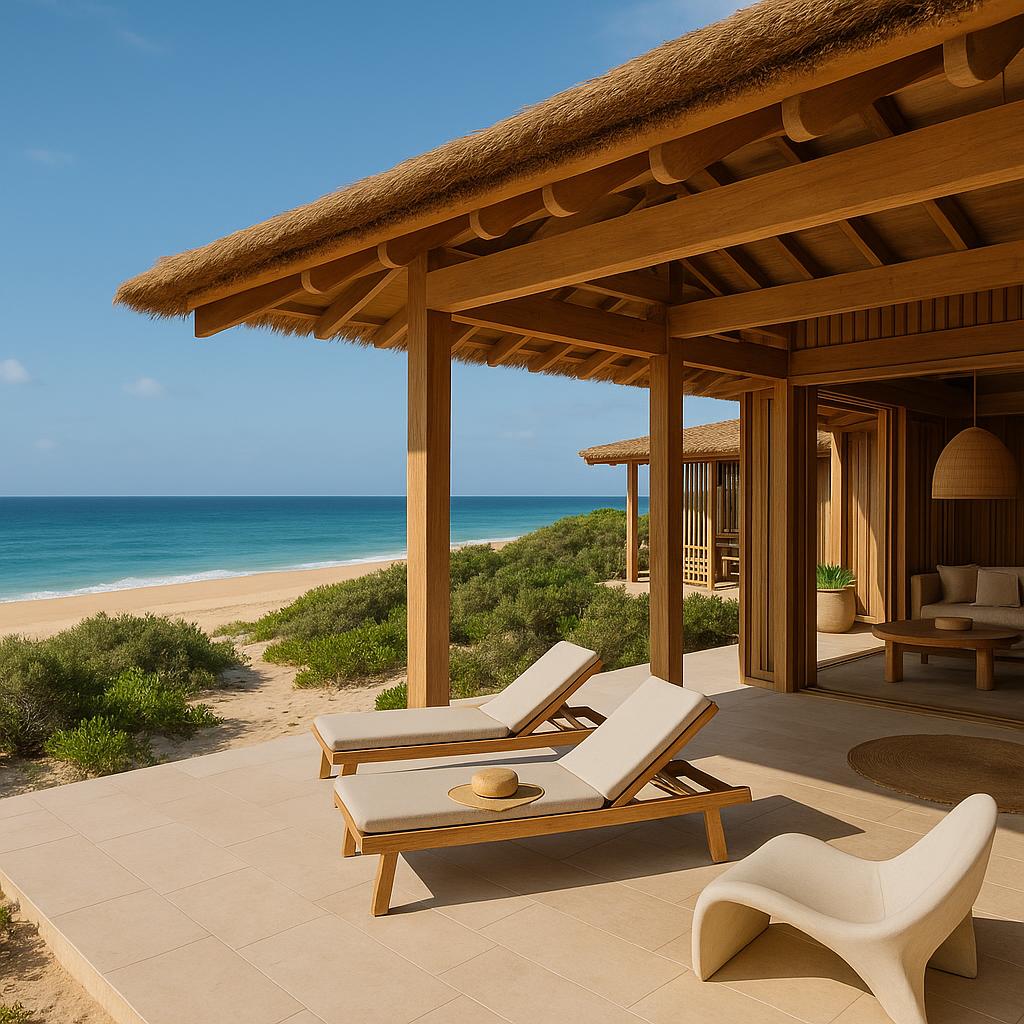
The resort’s architecture is a seamless blend of modern design principles and indigenous Mozambican elements. Structures are crafted using local materials such as sustainably harvested timber, natural stone, and thatch, creating a harmonic visual and tactile connection to the surroundings.
Architectural features promote indoor-outdoor living, with open-plan villas maximizing natural ventilation and sunlight. For example, private villas boast expansive terraces leading to the beach or dune ecosystems, blurring the lines between built space and nature.
Sustainability and Conservation Efforts
Kisawa Sanctuary integrates a multifaceted approach to sustainability, including solar energy installations, rainwater harvesting, and water recycling systems that minimize environmental footprint. Conservation programs actively protect local flora and fauna, working alongside nearby communities to strengthen biodiversity.
How to Plan Your Trip to Kisawa Sanctuary
Step 1: Travel Logistics
The closest major airport to Kisawa Sanctuary is Vilanculos Airport (VNX), with connections via Maputo or Johannesburg. From Vilanculos, private transfers or charter flights typically complete the journey. Visa requirements vary based on nationality; visitors should consult their local embassy for the most current regulations.
Step 2: Booking and Accommodation
Reservations are best secured well in advance due to the sanctuary’s exclusivity. Peak seasons typically align with Mozambique’s dry months, avoiding the rainy season from January to March. Villas range from intimate one-bedroom sanctuaries to family-sized units, all featuring barefoot design elements and modern amenities.
Step 3: Packing Essentials
Guests should pack lightweight, breathable clothing suitable for tropical climates, alongside sturdy sandals or barefoot shoes for excursions. Sun protection, insect repellent, and swimwear are essential. Keep in mind the barefoot ethos; slippers and formal shoes are generally unnecessary within the sanctuary premises.
Step 4: On-site Activities
Visitors can engage in guided nature walks along pristine beaches, cultural tours with local communities, wellness sessions that emphasize mindfulness, and water-based activities like snorkeling or kayaking. The sanctuary also offers educational programs on local ecology and conservation.
Examples of Guest Experiences
- Spending a day fully barefoot on secluded white-sand beaches, feeling the ocean breeze and natural textures.
- Participating in architectural tours led by the resort’s designers, highlighting sustainable building practices and indigenous approaches.
- Tasting dishes crafted from local ingredients, paired with panoramic ocean views, connecting culinary exploration with place.
- Joining conservation efforts, such as beach clean-ups or coral reef monitoring, fostering a sense of stewardship.
Common Pitfalls to Avoid
- Underestimating the time and connections needed to reach this remote sanctuary; plan transportation carefully.
- Not preparing for limited mobile connectivity; embrace digital detox to enhance the barefoot tranquility.
- Forgetting adequate sun protection or insect repellent amid natural surroundings.
- Disregarding local customs or environmental guidelines which are vital to preserving the sanctuary’s ethos.
FAQ
- What is the best season to visit Kisawa Sanctuary?
Dry months from May to October are ideal, offering comfortable temperatures and minimal rainfall. - Are children welcome at the sanctuary?
Yes, but families should inquire in advance about specific accommodations and barefoot guidelines for younger guests. - How does Kisawa ensure sustainability in operations?
The resort employs renewable energy, water-saving technologies, and collaborates with local communities on conservation projects. - What wellness options are offered on-site?
Wellness programs include mindfulness meditation, yoga, and spa treatments utilizing natural, locally sourced products. - Is Kisawa Sanctuary accessible for guests with mobility challenges?
Due to its barefoot and natural terrain focus, accessibility may be limited; consult the resort directly to assess suitability. - Are pets allowed at the sanctuary?
Typically no; the sanctuary aims to maintain a pristine environment for wildlife and guests. - Can guests participate in nearby community activities?
Yes, cultural tours and volunteer opportunities are integrated into the visitor experience.
Conclusion
Kisawa Sanctuary epitomizes a new era of luxury travel where barefoot simplicity, forward-thinking design, and sustainability harmonize with Mozambique’s untouched natural landscapes. It offers guests an extraordinary chance to unwind, reconnect with nature, and engage authentically with local culture.
For travelers prioritizing environmental stewardship and immersive experiences without sacrificing comfort, Kisawa Sanctuary stands as an exemplary choice. Planning thoughtfully and respecting the sanctuary’s principles ensures a memorable and transformative journey to one of Africa’s most unique eco-resorts.
For comprehensive travel planning tools to assist in organizing your visit, consider using the free AI travel itinerary planner available here.
Additional Resources
- Maia Luxury Resort & Spa — Seychelles Calm, Private Villas for eco-luxury resort inspiration.
- Gili Lankanfushi Maldives — Barefoot Luxe, Eco Romance highlighting barefoot luxury trends.
- One&Only Le Saint Géran — Mauritius Icon, Beach Perfection showcasing beachfront luxury design.
- Travel Insurance for Mozambique Visitors to ensure safe and secure journeys.