
Quick Answer
The Conservatorium Hotel in Amsterdam seamlessly merges historical architecture with contemporary design, embodying the city’s renowned museum energy. Its design reflects Amsterdam’s artistic heritage through curated art collections, collaborations with local museums, and museum-inspired interiors, creating a hospitality experience that doubles as cultural immersion.
- What is the Conservatorium Hotel? A luxury hotel housed in a former music conservatory, transformed into a design and cultural landmark.
- How does its design reflect Amsterdam’s museum energy? By integrating museum-quality art and architecturally preserving its historical roots within a modern setting.
- Key features blending hospitality with art and culture: Curated artworks, collaboration with museums, art-centric programs, and artfully designed public and guest spaces.
Key Takeaways
- Architectural fusion: The Conservatorium Hotel combines historic 19th-century elements with contemporary renovation to reflect Amsterdam’s design heritage.
- Museum-quality integration: The hotel doubles as a living gallery, featuring rotating curated art and design pieces.
- Strategic location: Positioned in the Museumplein area, it enhances guests’ direct cultural immersion in Amsterdam’s art scene.
Introduction
The Conservatorium Hotel stands as a testament to Amsterdam’s deep-rooted cultural identity where hospitality intersects with art and design. Situated next to prominent museums like the Rijksmuseum and Van Gogh Museum, it embodies the city’s commitment to preserving heritage while inviting contemporary creativity. In hospitality, incorporating museum energy elevates guest experiences by creating environments that inspire, educate, and connect visitors with local culture on a profound level.
What Is the Historical Background of the Conservatorium Hotel?
Originally constructed between 1884 and 1886 as a music conservatory, the building served as Amsterdam’s Royal Conservatory of Music. It reflects the neo-Gothic and Renaissance Revival style popular in the 19th century. Its adaptive reuse into a hotel involved a meticulous restoration that honored the building’s heritage while introducing contemporary architecture and amenities. This transformation honors Amsterdam’s longstanding tradition as a hub of artistic education and creativity, linking the historical with the present.
How Does the Hotel27s Design Reflect Amsterdam27s Museum Aesthetic?
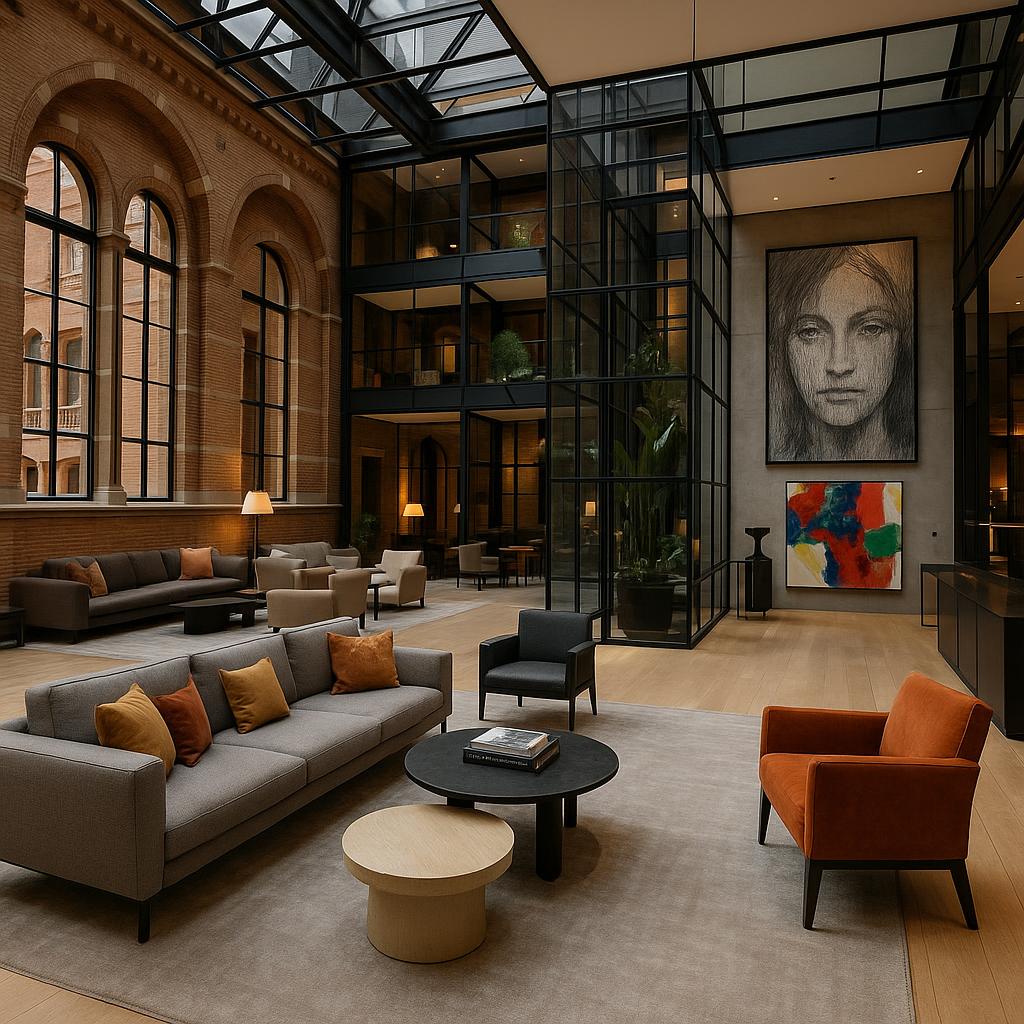
The Conservatorium Hotel’s architecture juxtaposes preserved historic facades and structural details with sleek modern interiors, mirroring the duality typical of museum spaces where classical and contemporary art coexist. Curated artworks from both established and emerging artists are thoughtfully integrated in the lobby, corridors, and rooms following museum-style curation principles. The furniture includes renowned design classics alongside specially commissioned pieces, creating a gallery-like experience that remains welcoming and usable as a luxury hotel.
What Are the Key Museum-Energy Elements in the Hotel?
- Curated Art Collections: Regularly rotated contemporary artworks and sculptures displayed throughout public and private spaces.
- Collaborations: Partnerships with local cultural institutions such as the Stedelijk Museum and Rijksmuseum to feature exclusive exhibitions and artist showcases.
- Ambiance: Thoughtful lighting design and material palettes that emulate museum galleries, creating an immersive and contemplative atmosphere.
How Does the Conservatorium Hotel Enhance the Guest Experience?
The hotel offers guests a blend of luxury accommodations with cultural enrichment. This includes guided tours to nearby museums, in-house exhibitions, artist talks, and events reflecting Amsterdam’s dynamic art scene. Amenities such as the stylish AC Library and dedicated art tour concierge services cater to art enthusiasts, making the hotel not just a place to stay but a cultural destination itself.
Step-by-Step: Experiencing the Museum Energy at the Conservatorium Hotel
- Arrival and Architectural Appreciation: Guests are greeted by the historic façade and light-filled atrium that sets a museum-like tone.
- Exploration of Public Spaces: Spacious lounges and corridors showcase curated artworks inviting leisurely discovery.
- Engage with Special Exhibitions: Temporary art installations and collaborations bring fresh creativity periodically.
- Dining amid Art: Restaurants and bars designed with artful decor and occasional displays provide sensory synergy.
- Participation in Cultural Events: Booked guest talks, workshops, and gallery visits organized through the hotel.
Examples of Design Details Reflecting Museum Energy
- Artworks: Pieces by renowned Dutch and international artists, displayed as focal points in lobbies and suites.
- Historic Elements: Original vaulted ceilings and ornamental staircases preserved and highlighted with modern lighting.
- Natural Light: Glass roofing and large windows create an open gallery atmosphere, emphasizing textures and color contrasts.
Common Pitfalls When Designing Museum-Inspired Hotels
- Imbalance between preservation and comfort: Overemphasizing historic or artistic elements can compromise functional luxury.
- Overwhelming art presence: Saturating spaces with too many artworks risks creating visitor fatigue rather than inspiration.
- Neglecting usability: Museum aesthetics must accommodate hospitality needs without sacrificing guest comfort.
Frequently Asked Questions
- How does the Conservatorium Hotel differ from traditional boutique hotels? It uniquely integrates museum-quality art and historic architecture to offer a culturally immersive stay beyond typical boutique experiences.
- Are guests allowed to interact with or purchase the artworks? While artworks are primarily for viewing, select pieces or designs may be available for purchase through the hotel’s gallery collaborations.
- What collaborations with museums are ongoing? The hotel partners with local museums such as the Stedelijk Museum for exhibitions, artist programs, and guest events.
- How accessible is the hotel for visitors interested in Amsterdam’s art scene? Located in Museumplein, the hotel provides direct access to major museums and cultural activities.
- Is the hotel suitable for non-art enthusiasts? Yes, the balance of art and luxury amenities caters to diverse guests including families, business travelers, and cultural tourists.
- Does the hotel host cultural or art-related events? Yes, regular exhibitions, talks, and special events are part of the guest experience.
- Is the hotel’s design eco-conscious? The hotel incorporates sustainability measures aligning modern standards with historic preservation.
Conclusion
The Conservatorium Hotel exemplifies a brilliant synthesis of Amsterdam’s rich artistic heritage and modern hospitality. By blending museum-caliber art, thoughtful design, and cultural programming within a meticulously restored historic building, it offers guests a multidimensional experience uniquely immersed in the city’s creative spirit. This hotel is not only accommodation but a cultural gateway, inviting visitors to live amid art and design while enjoying luxurious comfort.