
Table of Contents
- Quick Answer: What Makes Janu Tokyo Sustainable?
- Overview of Janu Tokyo’s Sustainability Goals
- How Does Janu Tokyo Optimize Energy Efficiency?
- What Sustainable Materials Are Used in Janu Tokyo?
- How Does Water Conservation Work at Janu Tokyo?
- What Smart Technologies Contribute to Sustainability?
- Pros and Cons of Janu Tokyo’s Sustainable Features
- Sustainability Checklist for Comparable Projects
- Common Mistakes in Sustainable Urban Design
- Pro Tips for Enhancing Sustainability in Developments
- Next Steps to Leverage Janu Tokyo’s Sustainable Innovations
- Frequently Asked Questions
Quick Answer: What Makes Janu Tokyo Sustainable?
Janu Tokyo integrates energy-efficient systems, eco-friendly materials, advanced water conservation, and smart technologies. Together, these elements minimize environmental impact, improve occupant comfort, and promote long-term urban resilience.
Overview of Janu Tokyo’s Sustainability Goals
Situated in Azabudai Hills, Janu Tokyo is designed to meet the latest sustainability standards for large-scale urban developments in Tokyo. The project focuses on reducing carbon footprint, maximizing resource efficiency, and creating green, healthy environments through innovative architecture and technology.
How Does Janu Tokyo Optimize Energy Efficiency?
- High-performance building envelope: Insulated glazing, advanced thermal insulation panels, and shading devices reduce heating and cooling demands.
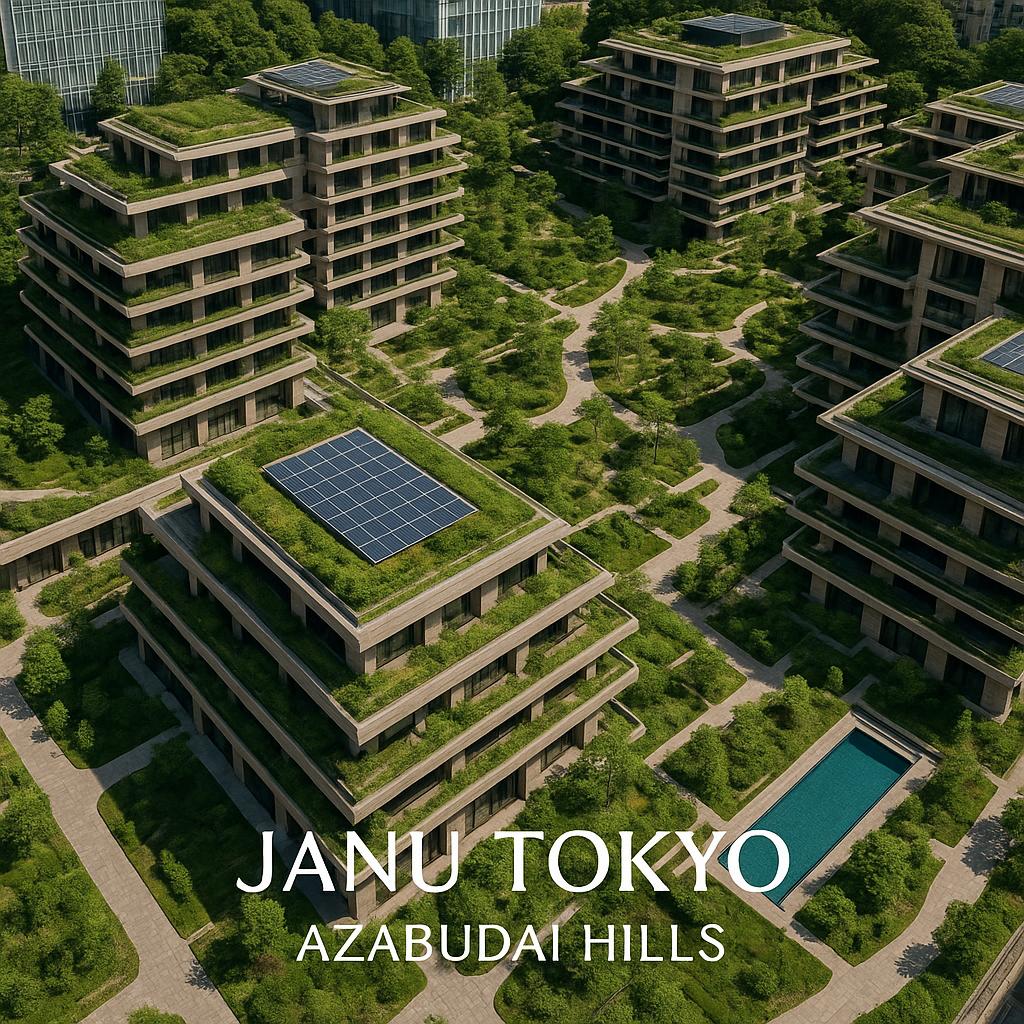
- Renewable energy integration: Photovoltaic panels on facades and rooftops supply clean electricity.
- Efficient HVAC systems: Automated controls optimize heating, ventilation, and air conditioning to lower energy use while maintaining comfort.
- LED lighting with sensors: Automated lighting adapts based on occupancy and daylight, reducing unnecessary consumption.
What Sustainable Materials Are Used in Janu Tokyo?
- Locally sourced materials: Procuring materials within Japan minimizes embodied carbon from transportation.
- Recycled and low-VOC materials: Use of recycled steel, cement-reducing concrete additives, and low volatile organic compound finishes improves environmental and indoor air quality.
- Green roofing and landscaping: Vegetative rooftops planted with drought-resistant native species enhance insulation and mitigate urban heat island effects.
How Does Water Conservation Work at Janu Tokyo?
- Rainwater harvesting: Tanks collect rainwater for irrigation and greywater applications.
- Low-flow fixtures: Efficient taps, toilets, and showers reduce water consumption without compromising usability.
- Smart irrigation: Soil moisture sensors adjust watering schedules to prevent over-irrigation of landscaped areas.
What Smart Technologies Contribute to Sustainability?
- Building Management System (BMS): Centralized monitoring of energy and water use enables proactive maintenance and efficiency improvements.
- Occupancy analytics: Sensors track space utilization, allowing adaptive environmental controls tailored to actual demand.
- Renewable energy monitoring: Solar generation data is shared with residents and management to encourage efficient energy use.
Pros and Cons of Janu Tokyo’s Sustainable Features
| Pros | Cons |
|---|---|
| Substantial reductions in energy consumption and greenhouse gas emissions | Higher initial construction costs due to advanced materials and technology |
| Improved indoor environmental quality supporting occupant health | Maintenance of smart systems requires specialized expertise |
| Integration with local ecosystem through green spaces and water reuse | Potential performance gap if occupant behavior diverges from design assumptions |
Sustainability Checklist for Comparable Projects
- Optimize building orientation for natural light and shading
- Specify high-performance, locally sourced insulated materials
- Incorporate renewable energy systems such as solar PV and geothermal where feasible
- Implement rainwater harvesting and low-flow fixtures for water efficiency
- Deploy smart building management systems for real-time resource monitoring
- Design green roofs and native landscaping to enhance urban biodiversity
- Use recycled and low-VOC materials to reduce embodied carbon and indoor pollutants
Common Mistakes in Sustainable Urban Design
- Underestimating operational energy compared to design projections
- Overlooking occupant behavior in sustainability planning, resulting in inefficiencies
- Specifying technology without considering local maintenance capacity
- Neglecting water reuse and stormwater management in site planning
- Insufficient integration of green spaces, missing ecological and social advantages
Pro Tips for Enhancing Sustainability in Developments
- Engage interdisciplinary teams early to align design, engineering, and sustainability goals
- Use energy modeling tools to validate design choices and identify optimization opportunities
- Prioritize occupant education to ensure proper use of sustainable features
- Plan for ongoing performance monitoring and periodic system upgrades
- Leverage local climate data to tailor water and energy strategies precisely
Next Steps to Leverage Janu Tokyo’s Sustainable Innovations
- Visit Janu Tokyo or contact management to access detailed sustainability reports
- Incorporate insights into your project’s design guidelines and procurement standards
- Adopt similar smart technology platforms adapted to local conditions
- Engage community stakeholders to amplify environmental and social impact
- Monitor performance metrics and share outcomes with industry peers for continuous improvement
Frequently Asked Questions
1. Is Janu Tokyo certified under any green building standards?
Certification details should be verified with project representatives; however, projects like Janu Tokyo commonly pursue standards such as LEED, CASBEE, or WELL to demonstrate sustainability performance.
2. How does Janu Tokyo’s design address Tokyo’s urban heat island effect?
The development employs green roofs, extensive native landscaping, and reflective materials to reduce heat accumulation typical in dense urban environments.
3. Are residents involved in sustainability initiatives at Janu Tokyo?
Resident engagement includes real-time energy dashboards and educational programs that encourage responsible resource use.
4. What role does public transportation access play in Janu Tokyo’s sustainability?
Located in Azabudai Hills, the development offers excellent access to public transit, reducing reliance on private vehicles and associated emissions.
5. How scalable are Janu Tokyo’s sustainable features for other developments?
Many features—such as energy efficiency, smart systems, and water conservation—are adaptable to various scales with adjustments for regional climates and regulations.
6. Does Janu Tokyo incorporate waste reduction strategies?
Waste management includes construction waste recycling and ongoing programs to reduce residential and commercial waste through sorting and minimization efforts.
7. How does the project support biodiversity preservation?
Native plantings and green corridors foster habitat connectivity, supporting local species and enhancing urban biodiversity.