
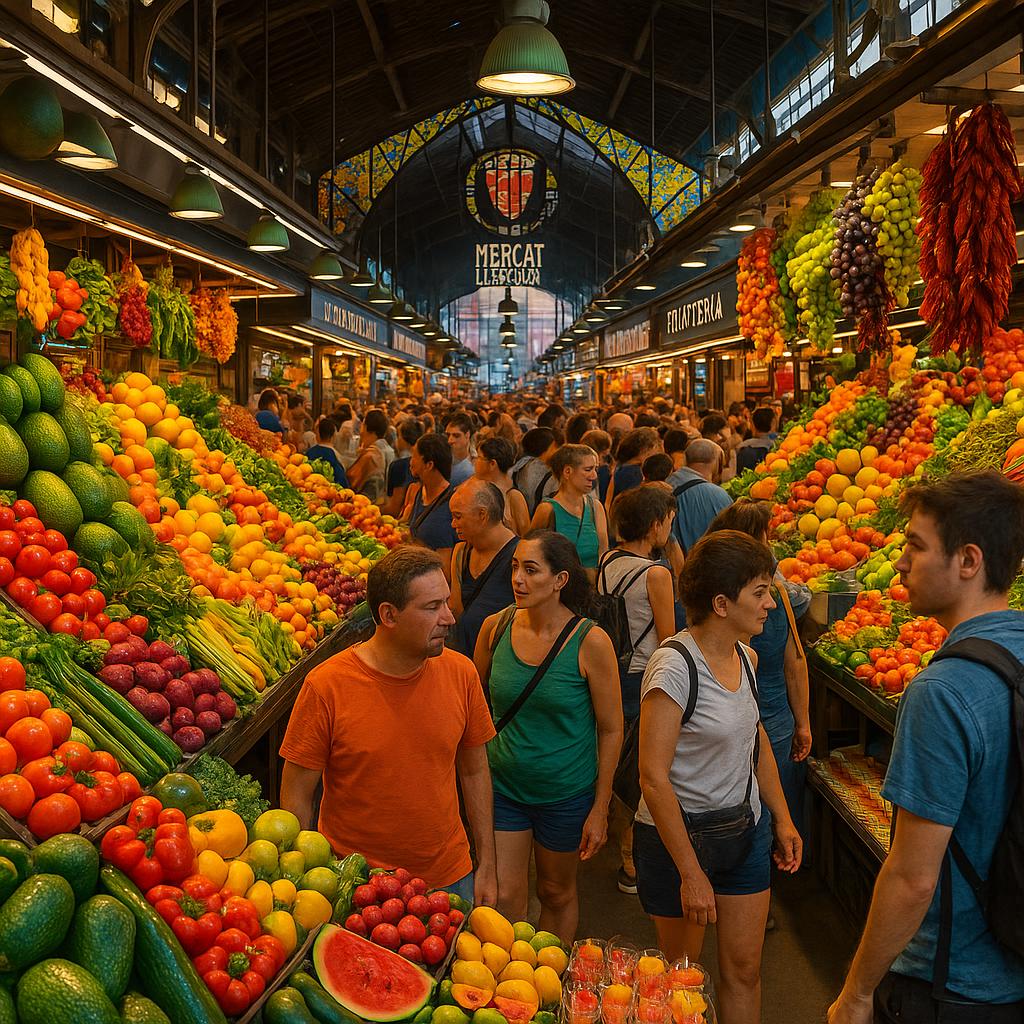
Quick Answer
- The easiest food regions for a 3-day trip are compact areas with diverse culinary experiences, good transportation, and rich food culture.
- Examples include Barcelona (Spain), Lyon (France), Bologna (Italy), and Portland (USA).
Key Takeaways
- Choose regions with walkable city centers and concentrated food scenes for efficient exploration.
- Plan 3-day itineraries focusing on iconic local dishes and markets to maximize culinary exposure.
- Consider transportation ease and variety of food experiences—street food, markets, restaurants.
- Research and book popular venues in advance to avoid time wasted in queues.
Why Is Trip Length Important When Choosing a Food Region?
- Limited time requires prioritizing areas with dense, diverse culinary options that minimize travel time.
- Close proximity of food venues reduces time lost on transport and leaves more room for experiencing flavors.
- Helps create a focused, manageable itinerary that enhances the overall quality of the visit.
What Makes a Food Region Easy to Explore in 3 Days?
- Compact geography with minimal travel between sites, allowing more tasting and less commuting.
- Availability of iconic local dishes and variety across street food, markets, traditional restaurants, and modern eateries.
- Efficient public transport or walkability, enabling easy access to multiple neighborhoods and vendors.
- Cultural richness and culinary diversity contained in a small area for a broad tasting experience.
Step-by-Step: How to Plan Your 3-Day Food Trip
- Day 1: Focus on markets and street food to get an introduction.
- Example: Visit La Boqueria in Barcelona or Pike Place Market in Seattle.
- Day 2: Dine at renowned local restaurants showcasing traditional cuisine.
- Reserve ahead to secure spots in popular establishments.
- Day 3: Explore unique or modern culinary experiences, such as cooking classes or specialized food tours.
- Example: Participate in a pasta making workshop in Bologna.
Examples of Easy-to-Explore Food Regions for 3-Day Trips
- Barcelona, Spain
- Compact city center with vibrant markets like La Boqueria, ideal for sampling fresh tapas and seafood.
- Tapas bars and seafood restaurants clustered near neighborhoods like La Barceloneta ease efficient exploration.
- Lyon, France
- Considered the gastronomic capital of France with numerous bouchons (traditional eateries) concentrated in the Old Town.
- Walkable restaurants and markets enable sampling of robust local flavors without extensive travel.
- Bologna, Italy
- Home to signature dishes like tortellini, mortadella, and ragù, with markets, trattorias, and culinary schools centrally located.
- Highly walkable historical center where traditional and modern culinary experiences coexist.
- Portland, USA
- Thriving food truck scene clustered downtown alongside farmers markets and innovative restaurants.
- Compact neighborhoods and good public transport make multiple stops feasible within limited time.
Common Pitfalls When Exploring Food Regions Quickly
- Overbooking too many locations causing rushed, less enjoyable experiences.
- Ignoring local meal times and customs, which may lead to venues being closed unexpectedly.
- Neglecting to make reservations ahead, especially for high-demand restaurants.
- Underestimating travel time between outlying neighborhoods or isolated food spots.
FAQs
- What local dishes should I prioritize on a short food trip?
Focus on iconic, region-specific specialties that define the local culinary culture—for example, tapas in Barcelona or tortellini in Bologna. - How can I find authentic food experiences instead of tourist traps?
Research neighborhoods favored by locals, explore markets, and consult trusted food guides or local blogs. - Are public transport passes beneficial for food tours?
Yes, especially in cities with dense food scenes spread out across neighborhoods; they save money and time. - Is walking always the best way to explore food regions?
In compact cities with clustered food destinations, yes; in more spread-out regions, combining walking with public transit is optimal. - How far ahead should I book restaurants on a 3-day food trip?
At least a few weeks in advance for popular spots, particularly on weekends or holidays.
Conclusion
- Choosing compact, culturally rich food regions with accessible transport maximizes culinary experience on a 3-day trip.
- Strategic planning focusing on iconic dishes, markets, and a mix of street food and restaurants ensures a fulfilling trip without feeling rushed.
- Examples like Barcelona, Lyon, Bologna, and Portland demonstrate how accessibility and variety come together for a memorable short culinary journey.
For additional travel planning assistance, resources such as Booking.com offer extensive accommodation options near major food districts to further simplify your trip logistics.
Table of Contents
- Quick Answer
- Key Takeaways
- Why Is Trip Length Important When Choosing a Food Region?
- What Makes a Food Region Easy to Explore in 3 Days?
- Step-by-Step: How to Plan Your 3-Day Food Trip
- Examples of Easy-to-Explore Food Regions for 3-Day Trips
- Common Pitfalls When Exploring Food Regions Quickly
- FAQs
- Conclusion