
Table of Contents
- Quick Answer: How to Travel Peru Efficiently?
- Where Should You Go in Peru?
- When is the Best Time to Visit Peru?
- What Should You Know Before Traveling to Peru?
- Common Mistakes to Avoid
- Pro Tips for an Optimal Peru Trip
- Peru Travel Checklist
- Pros and Cons of Traveling in Peru
- Useful Tools and Resources
- FAQ: Your Top Peru Travel Questions Answered
Quick Answer: How to Travel Peru Efficiently?
Traveling in Peru requires balancing cultural exploration with proper acclimatization due to the high altitude. Focus on key destinations such as Machu Picchu and Cusco, plan your itinerary with weather and altitude in mind, and combine domestic flights with land transport for effective travel.
Where Should You Go in Peru?
Peru offers a diverse range of experiences from the Andes to the Amazon rainforest. Must-visit locations include:
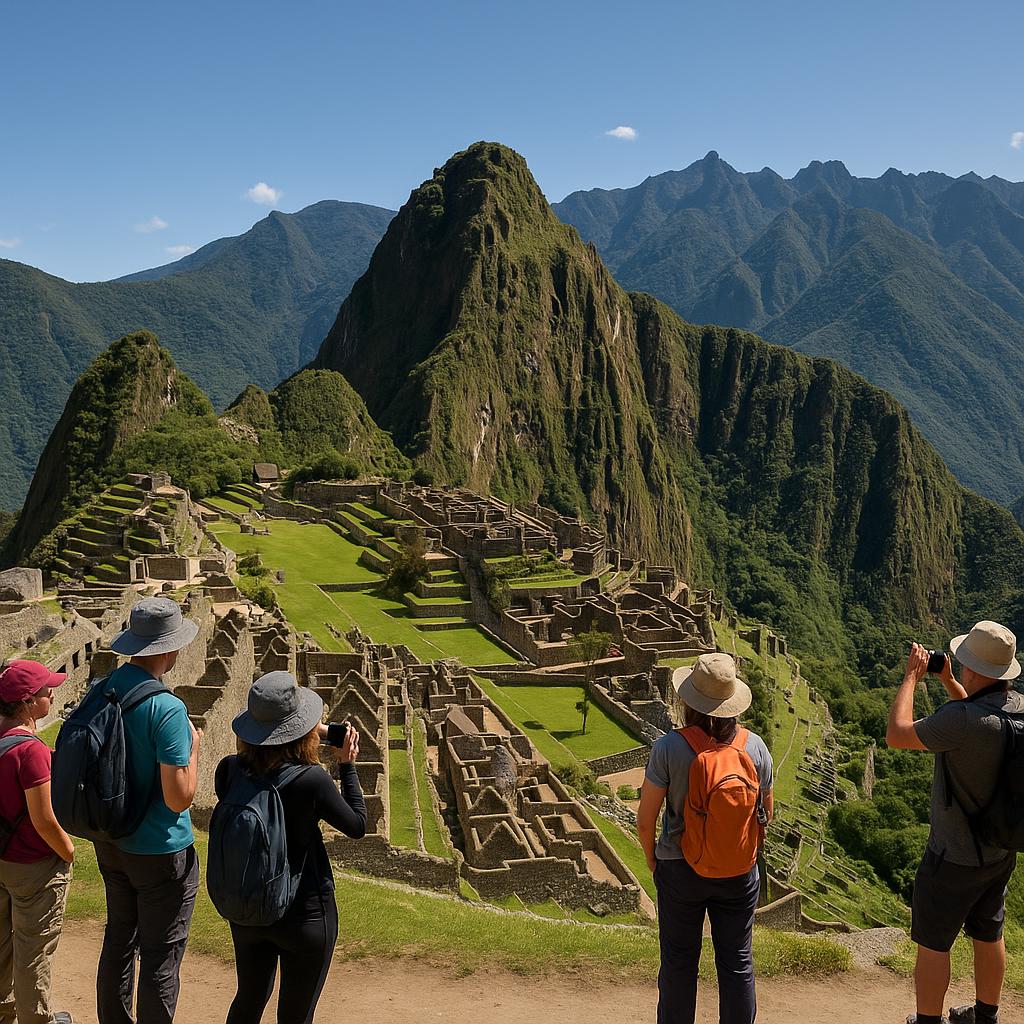
- Machu Picchu: The iconic Incan citadel, accessible via Cusco or the Sacred Valley.
- Cusco: Historical capital rich in colonial and indigenous culture.
- The Sacred Valley: Agricultural heartland featuring traditional villages and ruins.
- Lima: Coastal capital known for its gastronomy and vibrant urban atmosphere.
- Arequipa and Colca Canyon: Noted for colonial architecture and condor sightings.
- The Amazon Basin: Rich biodiversity and eco-lodges reachable from Iquitos or Puerto Maldonado.
- Lake Titicaca: The world’s highest navigable lake, renowned for indigenous communities.
Your choice of destinations should align with your interests, available time, and altitude tolerance.
When is the Best Time to Visit Peru?
The dry season, from May to September, is ideal for outdoor activities and trekking, offering clear skies and comfortable conditions, especially in the highlands. The wet season (November to March) brings heavier rains that may impact trail accessibility but yields fewer tourists and vibrant landscapes.
What Should You Know Before Traveling to Peru?
- Altitude: Cusco sits above 3,300 meters; acclimate gradually to prevent altitude sickness.
- Permits: Advance booking is required for Machu Picchu tickets and some trekking routes.
- Health: Review travel health guidance for vaccinations and food and water precautions.
- Currency: The Peruvian sol (PEN) is the official currency; carry small bills for markets and taxis.
- Language: Spanish predominates; basic phrases improve communication.
- Transport: Domestic flights save time; buses service remote areas but journeys can be long.
Common Mistakes to Avoid
- Underestimating altitude effects and skipping acclimatization time.
- Booking Machu Picchu entrance tickets too late, resulting in unavailability.
- Disregarding local customs and etiquette, particularly in indigenous areas.
- Overpacking; prioritize lightweight, layered clothing suitable for diverse climates.
- Relying solely on cash without backup payment methods, especially in remote regions.
Pro Tips for an Optimal Peru Trip
- Plan a rest day upon arriving in Cusco to adjust to the altitude.
- Use authorized agencies for trekking permits and guided tours.
- Sample local dishes such as ceviche in Lima and cuy (guinea pig) in the highlands.
- Consider traveling by night bus for long distances to maximize daytime sightseeing.
- Obtain travel insurance that covers medical emergencies and trip interruptions.
Peru Travel Checklist
- Valid passport and any required visas.
- Advance-purchased Machu Picchu entry tickets and train reservations, if applicable.
- Altitude sickness medication (consult your healthcare provider).
- Layered clothing, rain jacket, and durable trekking shoes.
- Reusable water bottle with purification system.
- Spanish phrasebook or translation app.
- Travel insurance documentation.
Pros and Cons of Traveling in Peru
| Pros | Cons |
|---|---|
| Rich cultural heritage and notable archaeological sites. | Risk of altitude sickness without proper preparation. |
| Diverse ecosystems ranging from mountains to rainforest. | Infrastructure quality varies significantly in remote locations. |
| Renowned and diverse local cuisine. | Safety concerns in select urban areas; standard precautions advised. |
| Generally affordable travel options. | Weather conditions can be unpredictable in certain seasons. |
Useful Tools and Resources
- Official Peru Tourism Website – Comprehensive destination details and travel guidance.
- Machu Picchu Official Ticket Site – Entrance tickets and permits.
- Travel Insurance Provider – Coverage for safety and health emergencies.
FAQ: Your Top Peru Travel Questions Answered
How many days should I spend in Peru?
A minimum of 7–10 days is recommended to comfortably explore major highlights while allowing for acclimatization.
Is it safe to drink tap water in Peru?
Tap water is generally unsafe for travelers; use bottled or purified water consistently.
Do I need a visa to visit Peru?
Visa requirements vary by nationality; many countries benefit from visa-free entry for short stays.
Are guided tours necessary?
While optional, guided tours enhance cultural understanding and simplify navigation, especially on treks.
What vaccinations are recommended for Peru?
Routine vaccinations plus Hepatitis A and Typhoid are commonly advised; Yellow Fever vaccination is recommended for travelers to the Amazon basin.
What is the currency and can I use credit cards everywhere?
The Peruvian sol is the official currency; credit cards are widely accepted in urban centers, but cash is essential in rural areas.
How do I book the Inca Trail?
Inca Trail bookings require advance arrangements through licensed trekking companies due to limited permits issued daily.
Key Takeaway: Advance planning for altitude acclimatization, permits, and transportation is crucial. Emphasize cultural immersion alongside iconic sites for a fulfilling Peru experience.