
Quick Answer
- Choose your visit timing based on personal energy cycles, destination peak seasons, and desired activities.
- Maximize rest by planning downtime, selecting restful accommodations, and incorporating relaxation techniques into your itinerary.
Key Takeaways
- Align travel dates with off-peak seasons to avoid crowds and enhance relaxation.
- Consider your own circadian rhythm to schedule activities during optimal energy periods.
- Balance sightseeing with planned rest periods to prevent burnout.
- Utilize accommodations that offer restful environments and amenities.
- Incorporate mindfulness, naps, and gentle physical activity to improve restoration.
Pros & Cons
Visiting Off-Peak vs. Peak Seasons
- Pros: Fewer crowds, lower prices, better rest opportunities.
- Cons: Limited service availability, possible unfavorable weather.
Traveling During Personal Energy Highs vs. Lows
- Pros: Enhanced engagement, maximized enjoyment.
- Cons: Risk of overexertion if energy is not managed properly.
Introduction
Choosing the best time to visit a destination can profoundly affect your travel experience, impacting everything from crowd levels and weather to your own rest and recovery. Combining knowledge of destination-specific factors with a clear understanding of your personal energy rhythms ensures that you not only enjoy your trip but also return feeling rejuvenated.
How to Choose the Best Time to Visit
1. Research Destination Peak and Off-Peak Seasons
- Investigate when the destination experiences peak tourism to anticipate larger crowds and higher prices.
- Consider off-peak or shoulder seasons for quieter visits, often with better rates and more space to unwind.
- Examine local weather patterns, including temperature extremes and precipitation, to avoid discomfort.
- Note special events or festivals that can enrich your experience but may also increase activity levels.
2. Factor in Your Personal Energy Rhythms
- Assess your natural daily energy highs and lows—for example, morning larks versus night owls.
- Plan demanding activities for when you feel most alert, reserving relaxation times for energy dips.
3. Align Travel Dates with Your Objectives
- Clarify whether your main goal is sightseeing, relaxation, adventure, or cultural immersion.
- Choose travel timing that supports your top priorities: e.g., for rest, off-peak or shoulder seasons; for festivals, peak season.
Step-by-Step Strategy to Maximize Rest
Step 1: Select Restful Accommodation
- Opt for lodgings in quiet neighborhoods away from noise pollution.
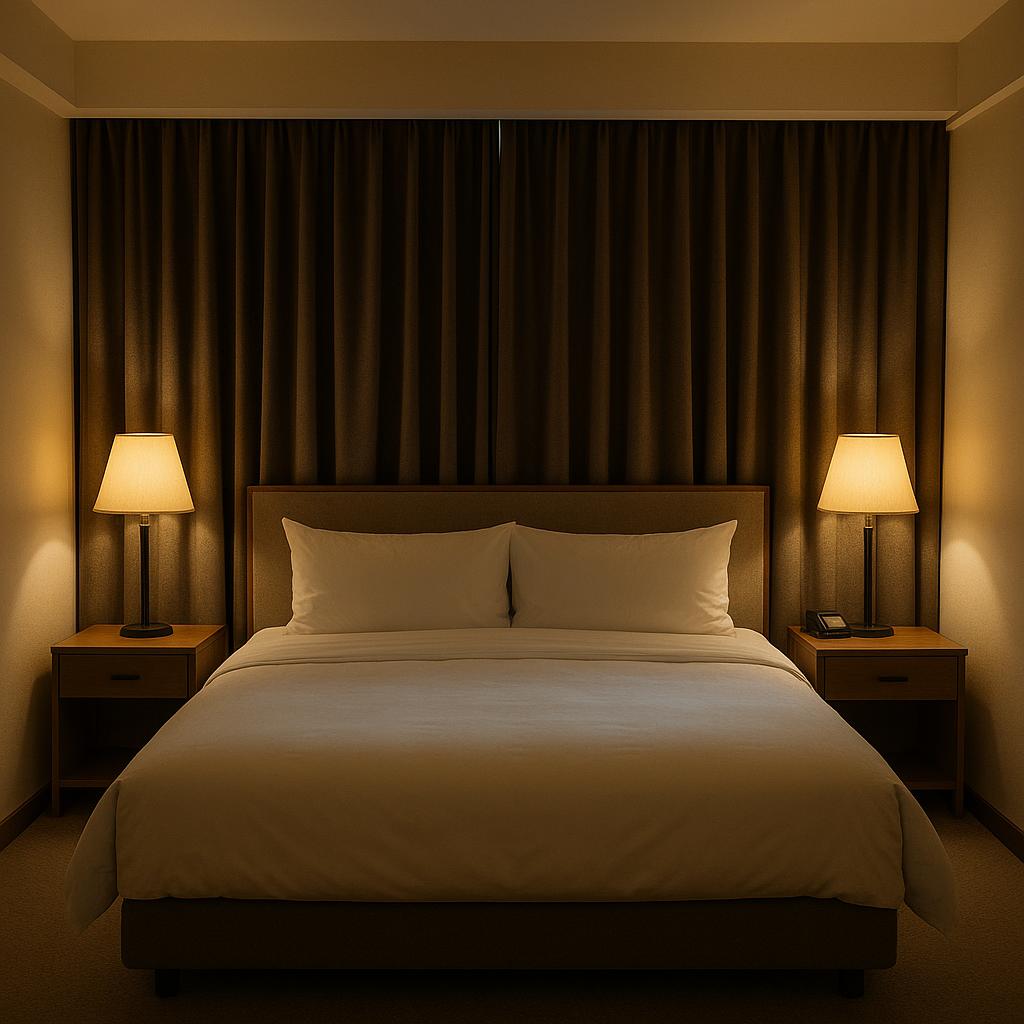
- Ensure comfortable bedding and amenities that promote relaxation, such as blackout curtains or soundproofing.
- Consider accommodations offering wellness facilities like spas or tranquil gardens.
Step 2: Plan Downtime into Your Itinerary
- Schedule breaks between sightseeing or activities to prevent fatigue.
- Incorporate intentional rest periods like naps or calming walks in nature.
Step 3: Use Relaxation Techniques
- Practice mindfulness meditation or breathing exercises daily to reduce stress.
- Include gentle physical activities such as yoga or stretching to ease muscle tension.
Step 4: Maintain Sleep Hygiene
- Stick to consistent sleep and wake times aligned to your home time zone when possible to reduce jet lag effects.
- Limit screen exposure before bedtime and establish calming pre-sleep routines.
- Use earplugs or white noise apps if environmental noise is unavoidable.
Examples
- Visiting a tropical beach during shoulder season to enjoy fewer crowds and better rates while resting.
- Scheduling city tours in the morning when you have the highest energy and setting afternoons aside for relaxed café visits or light walks.
- Booking hotels with spa services or quiet garden areas to enhance relaxation after busy days.
Common Pitfalls
- Overloading your itinerary with activities, which accelerates exhaustion.
- Ignoring regional climate considerations, leading to discomfort and disturbed rest.
- Misjudging your personal energy peaks and attempting strenuous activities during low energy periods.
- Choosing accommodations that lack soundproofing or comfort, hindering restorative sleep.
Checklist for Optimal Travel Timing and Rest
- Research and select off-peak or shoulder seasons aligning with your objectives.
- Identify your natural circadian preferences to plan activity timings.
- Book accommodation with restful features, consulting trusted booking platforms such as recommended lodging sites.
- Build intentional rest breaks into your daily schedule.
- Practice relaxation techniques each day.
- Maintain good sleep hygiene throughout your trip.
Frequently Asked Questions (FAQs)
- Q: How can I find out the best off-peak season for my destination?
A: Check official tourism websites, travel forums, and weather archives to determine seasonal crowds and conditions. - Q: What if my work schedule limits when I can travel?
A: Prioritize rest strategies during travel and stay, and plan activities around your personal energy levels to compensate. - Q: How do I handle jet lag to maximize rest?
A: Adapt sleep schedules gradually, expose yourself to natural light at appropriate times, and stay hydrated. - Q: Can I still enjoy peak seasons without sacrificing rest?
A: Yes, by carefully choosing accommodations with quiet amenities and scheduling downtime thoughtfully. - Q: Are there apps that help with travel planning and rest optimization?
A: Yes, use itinerary planners such as Bedroomchecker’s AI itinerary planner and mindfulness apps to assist with stress management.
Tools & Resources
- Booking accommodations — for selecting restful hotels and rentals.
- AI travel itinerary planner — to balance activities and rest periods efficiently.
- Travel eSIMs — stay connected without travel stress.
- Travel insurance — protect your trip and health during travel.
Conclusion
Choosing the best time to visit a destination and maximizing rest demand a thoughtful balance between external factors like seasonal crowds and weather and internal factors such as your personal energy cycles. By researching and aligning these elements, and incorporating structured rest into your itinerary, you create a travel experience that fosters enjoyment, health, and revitalization.
For more detailed planning techniques, explore guides such as How Do You Build a Flexible Itinerary for Beginners? or learn How to Stay Healthy and Minimize Stress While Traveling to ensure your trip is not only enjoyable but restorative.