
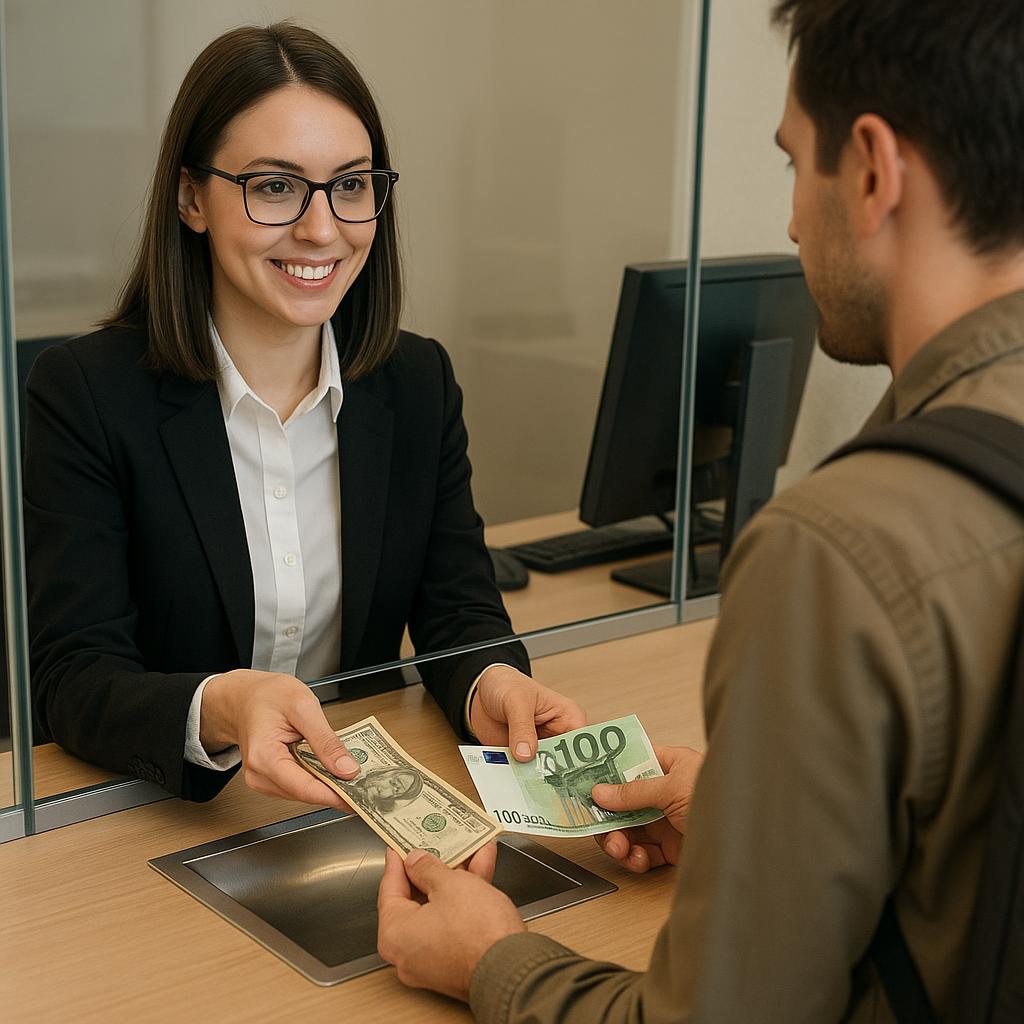
Quick Answer
The best way to handle currency exchange safely is to use reputable financial institutions like banks or authorized currency exchange services rather than airports or street changers. Utilize a combination of prepaid travel cards, cash from banks, and credit cards to maintain flexibility and security. Always prioritize protecting your money and personal information with sensible precautions.
Key Takeaways
- Plan your currency exchange well before travel to secure favorable rates and reduce risks.
- Use multiple strategies—such as prepaid travel cards, cash, and credit cards—to ensure flexibility and safety.
- Consistently monitor exchange rates and fees to minimize costs.
Introduction
Managing currency exchange carefully is crucial for travelers and anyone conducting international transactions. Incorrect handling can lead to losing money to poor rates, hidden fees, or falling victim to scams and theft. Understanding the safest and most effective exchange methods helps protect your funds and ensures smoother financial transactions abroad.
What Are the Best Methods to Exchange Currency?
Banks and Credit Unions
Banks often offer secure transactions with relatively competitive exchange rates and transparent fees. Getting foreign currency ahead of your trip from your local bank prevents reliance on less secure or more expensive alternatives abroad.
Authorized Currency Exchange Kiosks
Official kiosks at airports or city centers provide convenience, but often at a premium. Fees can be higher and rates less favorable, so use them only if necessary or for small amounts.
Prepaid Travel Cards
These cards allow you to load foreign currency at locked-in rates before traveling, reducing dependency on cash. They are safer than carrying large amounts of cash and provide modern security features such as PIN protection and online management.
ATMs While Abroad
Using ATMs at your destination can yield good exchange rates, but it is essential to be mindful of your bank’s withdrawal fees and any charges imposed by the local ATM provider.
Step-by-Step Guide to Exchange Currency Safely
- Research Current Exchange Rates and Fees: Before traveling, compare rates from various providers to identify the best options.
- Determine How Much Cash to Carry: Calculate realistic cash needs versus card usage to minimize carrying large sums.
- Purchase Foreign Currency from Banks or Authorized Services: Use trusted sources to minimize risk of counterfeit notes or scams.
- Consider Prepaid Travel Cards: These provide additional safety and budget control.
- Secure Your Cash and Cards: Use money belts, secure pouches, or hotel safes to reduce theft risk.
Examples of Safe Currency Exchange Practices
- Exchanging money at your home bank before departure, ensuring authenticity and stable rates.
- Using official airport kiosks only as a last resort and for small denominations.
- Avoiding street vendors or unofficial sources to prevent counterfeit currency or fraud.
Common Pitfalls and How to Avoid Them
- Airport Exchange Booths: Tend to have poor rates and high fees; limit use.
- Scams by Unofficial Money Changers: Always verify credentials and avoid street exchangers.
- Carrying Excessive Cash: Increases theft risk; balance cash and card usage.
- Not Informing Your Bank: May cause card blocks abroad, so notify them of your travel plans.
Checklist for Safe Currency Exchange
- Research and compare exchange rates before travel.
- Acquire some foreign cash from your bank prior to departure.
- Obtain a prepaid travel card loaded with destination currency.
- Inform your bank of travel dates and countries to avoid card issues.
- Limit withdrawal fees by planning ATM use carefully.
- Keep cash, cards, and documents in secure, separate locations.
- Use official, licensed exchange services; avoid street vendors.
- Monitor currency fluctuations to optimize funds.
Tools and Resources for Currency Exchange
- XE Currency Converter: Real-time exchange rate calculations.
- OANDA Currency Converter: Reliable rates and historic data.
- US State Department Currency Exchange Tips: Trusted government advice on currency safety.
- Booking Travel Accommodations: Plan your stay safely alongside your currency planning.
Frequently Asked Questions (FAQs)
1. Can I exchange currency at any ATM abroad?
Most ATMs overseas dispense local currency, but fees vary by provider and your bank. It’s wise to check all fee schedules and use ATMs at reputable locations.
2. Are prepaid travel cards safe to use?
Yes, prepaid cards often provide good security features and lock in exchange rates, reducing exposure to rate fluctuations and loss compared to cash.
3. Should I notify my bank before traveling?
Definitely. Informing your bank prevents unexpected card declines due to suspected fraud when used in foreign countries.
4. How much cash should I carry?
Carry only enough for initial expenses and emergencies; rely primarily on cards for larger or ongoing purchases.
5. What are signs of currency exchange scams?
Suspiciously favorable rates, pressure to exchange quickly, unofficial locations, and refusal to allow you to inspect notes suggest scams.
6. Can I exchange currency at airports safely?
It is safe in official booths but usually expensive; use airport exchanges sparingly.
7. How do I monitor exchange rate fluctuations?
Use online currency converter tools or smartphone apps to track rates before and during your trip.
Conclusion
Handling currency exchange with care safeguards your finances and reduces stress while traveling or transacting internationally. By relying on trusted sources such as banks and official exchange services, using prepaid cards, and maintaining prudent security measures, you minimize loss and protect against fraud. Stay informed, plan ahead, and use diversified methods to ensure a safe and smooth currency exchange experience.
For more travel safety and financial planning tips, consider reading How Do You Protect Valuables and Plan for Delays at the Same Time? and How Do You Avoid Hidden Fees and Still Travel Like a Local?