
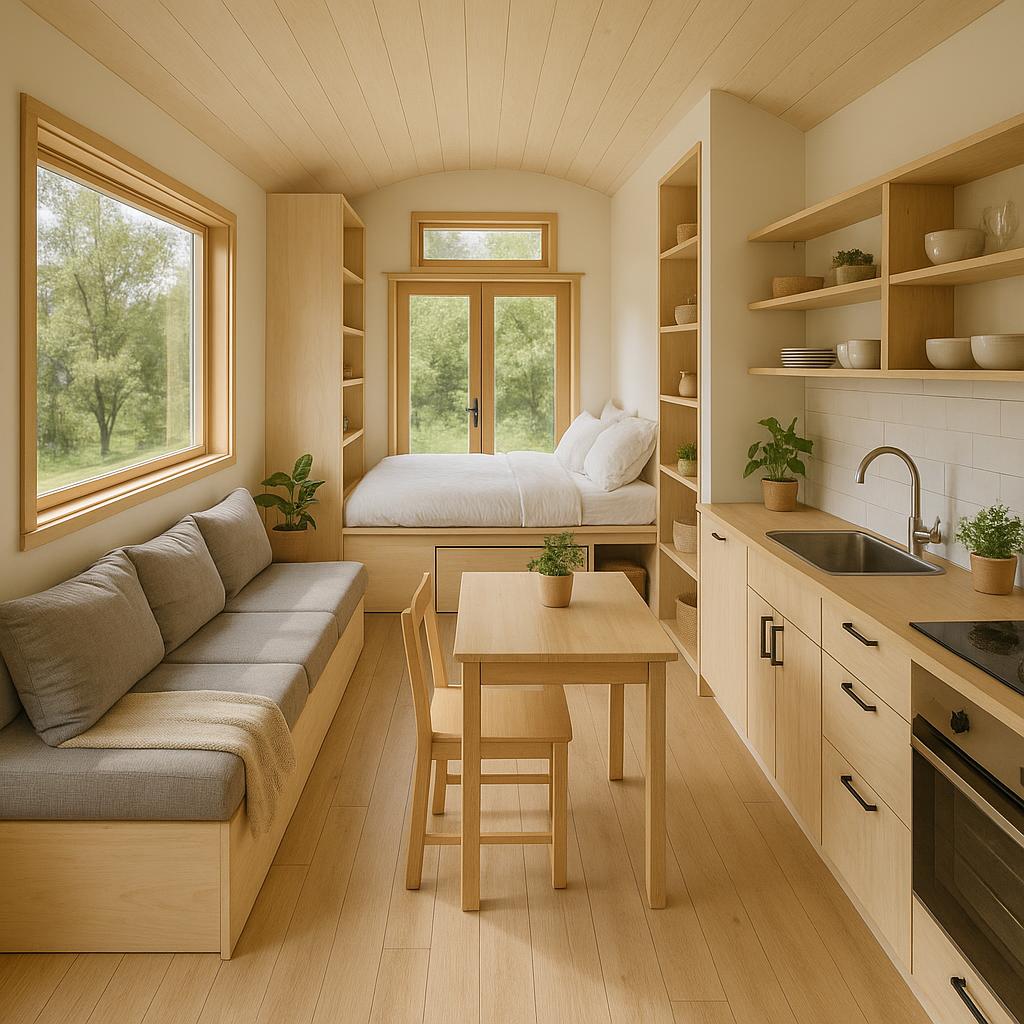
Quick Answer
- Tiny homes best suited for long stays emphasize comfort, functionality, and durability.
- Popular types include customized tiny houses on wheels, container homes, and thoughtfully designed prefab models.
- Prioritize essentials like efficient layouts, quality insulation, and sufficient storage.
Key Takeaways
- Long-term tiny living requires adapting spaces for multifunctional use without sacrificing comfort.
- Mobility can be a key factor depending on lifestyle needs.
- Investing in high-quality materials and smart design enhances livability over prolonged periods.
Table of Contents
- What Features Define the Best Tiny Homes for Long Stays?
- What Are the Top Types of Tiny Homes for Extended Living?
- Step-by-Step Guide to Choosing the Ideal Tiny Home for Long Stays
- Examples of Popular Tiny Homes for Long-Term Living
- Common Pitfalls to Avoid When Choosing a Tiny Home for Long Stays
- Frequently Asked Questions (FAQ)
- Conclusion
What Features Define the Best Tiny Homes for Long Stays?
- Spacious yet efficient interior layouts that maximize usable space without feeling cramped.
- Durable, climate-appropriate insulation and construction materials to ensure comfort year-round.
- Ample storage solutions seamlessly integrated into furniture and walls for decluttered living.
- Reliable utilities: well-planned plumbing, electricity, heating, and cooling systems designed for continuous use.
- Clearly defined zones: separate sleeping, cooking, and living areas to improve livability and mental comfort.
What Are the Top Types of Tiny Homes for Extended Living?
Tiny Houses on Wheels (THOWs)
- Mobility allows relocation and adapts to lifestyle or job changes.
- Customization options allow interiors to be tailored to personal preferences and needs.
- Typically range between 100 to 400 square feet, balancing compactness and livability.
Container Homes
- Constructed from weather-resistant steel shipping containers, providing a sturdy shell.
- Modular design allows stacking, expansion, and creative configurations.
- Conversion requires expertise to ensure insulation, ventilation, and utilities suit long-term living.
Prefab Tiny Homes
- Built in factories for consistent quality control and faster construction times.
- Quick assembly on-site reduces setup hassles.
- Often include energy-efficient features like triple-glazed windows and sustainable materials.
Step-by-Step Guide to Choosing the Ideal Tiny Home for Long Stays
- Assess lifestyle needs — determine space needs based on number of occupants, work-from-home requirements, and hobbies.
- Set a realistic budget including purchase cost, ongoing maintenance, and utilities.
- Research types and manufacturers to align features with your priorities.
- Decide between mobility versus permanent foundation, considering job stability, zoning, and personal preferences.
- Conduct quality inspection in person or virtually focusing on materials, insulation, and utility installations.
- Design interior for multifunctionality with convertible furniture and smart storage.
- Check local building codes and zoning laws to ensure compliance and avoid legal issues.
- Make purchase and arrange installation or delivery with clear timeline and service guarantees.
Examples of Popular Tiny Homes for Long-Term Living
- Tumbleweed Elm – A classic tiny house on wheels renowned for efficient design and quality craftsmanship.
- MOD Container Homes – Modern container conversions emphasizing modularity and sustainability.
- Ecocapsule – Innovative prefab models integrating renewable energy systems such as solar panels and wind turbines.
Common Pitfalls to Avoid When Choosing a Tiny Home for Long Stays
- Overlooking insulation needs can cause significant discomfort during extreme temperatures.
- Underestimating storage requirements leads to clutter and reduces usable living space.
- Ignoring local building codes or parking restrictions may result in legal or logistical complications.
- Choosing inadequate utilities or neglecting plans for plumbing, heating, or electricity installation affects livability.
- Neglecting natural light and ventilation can contribute to poor air quality and reduced well-being.
Frequently Asked Questions (FAQ)
- What maintenance does a tiny home require? Regular upkeep includes checking seals and insulation, servicing utilities like plumbing and electrical, and inspecting structural elements for wear.
- Can tiny homes accommodate families? Yes, with careful design focusing on multifunctional spaces and efficient layouts, tiny homes can suit small families for long stays.
- Are tiny homes energy efficient? When properly insulated and equipped with energy-saving fixtures and appliances, tiny homes can be highly energy efficient.
- How do zoning laws affect tiny home placement? Zoning laws vary widely; some areas have restrictions on size, permanent foundations, or wheeled dwellings, making research essential before purchase.
- What financing options exist for tiny homes? Financing can come from personal loans, specialized tiny home lenders, or manufacturer financing, but options are more limited than traditional homes.
Conclusion
- The best tiny homes for long stays balance compact living with comfort and durability through smart design and quality materials.
- Choosing the right type depends on individual lifestyle, climate considerations, and budget constraints.
- Thorough planning, careful selection, and awareness of common challenges set the stage for a successful and sustainable tiny living experience.
For further insights into selecting accommodations for distinctive lifestyle and travel needs, consider exploring
What Are the Best Co-Living Spaces for Budget Travelers? or
Cabin Stays & Nature-Forward Lodging: Your Expert Guide to Sustainable Wilderness Retreats.
Additionally, practical booking options for short or long-term stays can be found via this trusted lodging platform designed for flexible travel needs.