
Quick Answer
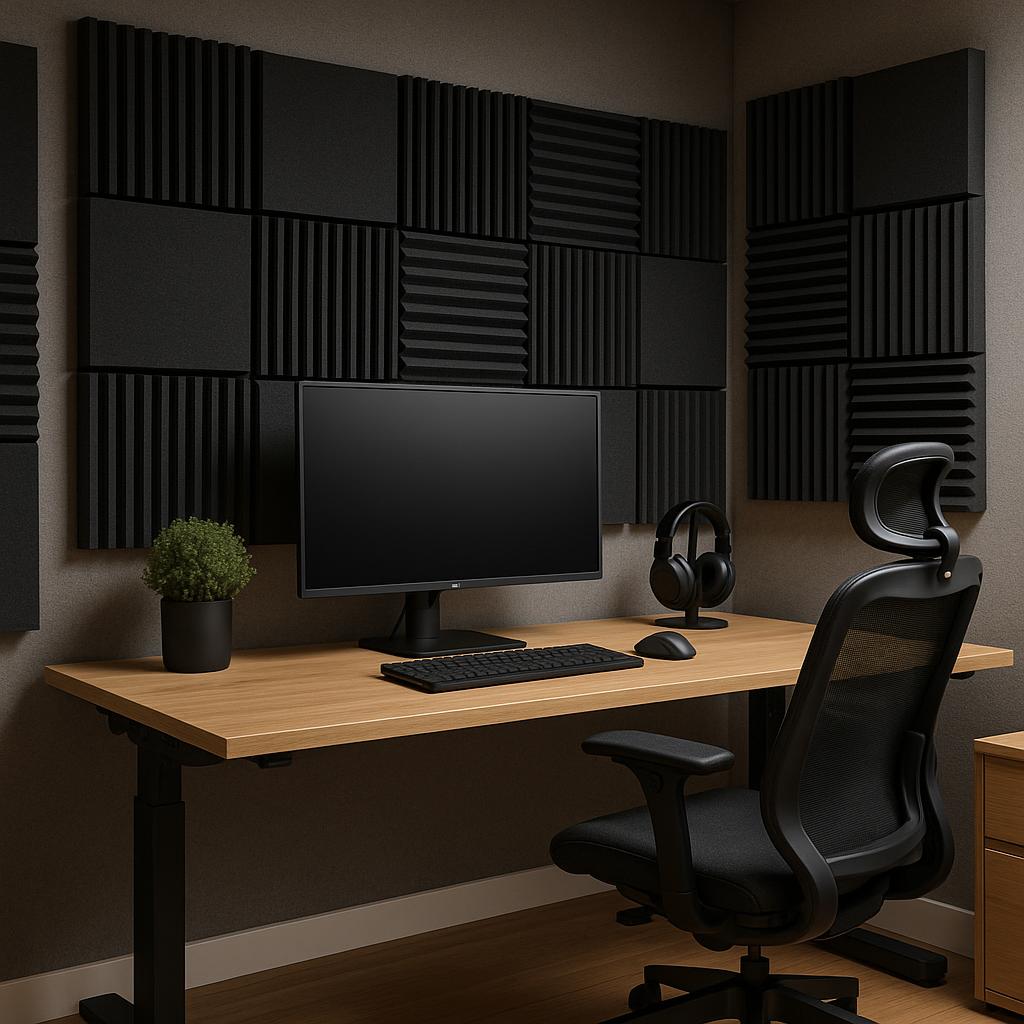
The best soundproof rooms for remote work are dedicated home office spaces that have been soundproofed, converted closets enhanced with acoustic treatments, specialized soundproof pods or booths, and interior rooms such as basements with minimal external noise. Prioritize spaces isolated from street sounds and household activity, incorporating sound-absorbing materials for maximum efficacy.
Key Takeaways
- Soundproof rooms significantly reduce distractions, enhancing focus and productivity while working remotely.
- Options range from do-it-yourself soundproofed rooms to professional soundproof pods designed specifically for isolation.
- Choosing the right room depends on available space, your budget for modifications, and the noise levels of your environment.
- Effective soundproofing combines structural adjustments with strategic additions such as acoustic panels and soft furnishings.
Why is Soundproofing Important for Remote Work?
Soundproofing is crucial for remote work because it enhances concentration by minimizing auditory distractions that can disrupt cognitive processes. It also improves the clarity of calls and virtual meetings by reducing background noise, ensuring professional communication. Furthermore, a quieter work environment lowers stress and mental fatigue caused by unpredictable or constant environmental noise, leading to better overall job satisfaction and efficiency.
What Makes a Room Effective for Soundproofing?
An effective soundproof room is characterized by:
- Location: Positioned away from noisy areas such as streets, kitchens, or living rooms.
- Construction: Solid walls, minimal windows, or double-pane insulated windows that reduce sound transmission.
- Furnishings: Use of sound-absorbing materials like thick curtains, rugs, upholstered furniture, and acoustic panels.
To select and prepare a room:
- Assess where external and internal noises originate in your home.
- Choose a room with the fewest windows or doors facing noise sources.
- Apply treatments such as acoustic panels on walls and ceilings, use heavy curtains and add rugs or carpet to floors.
What Are the Best Types of Soundproof Rooms for Remote Work?
- Dedicated Home Office with Soundproof Modifications: A spare bedroom or study purposefully modified to reduce noise with insulation and acoustic treatments.
- Converted Closets or Small Rooms: Often used when space is limited; sealing and insulating a closet can create a quiet workspace.
- Soundproof Pods or Booths: Commercially available units designed with sound-absorbing materials and ventilation, ideal for isolated work without extensive construction.
- Basement or Interior Rooms: Rooms located centrally within the home with fewer external walls typically have lower ambient noise.
How to Create a Soundproof Room Step-by-Step
- Select the Optimal Room: Prioritize spaces away from noise and with limited windows.
- Seal Gaps and Cracks: Use weatherstripping or acoustic sealant around doors and windows to prevent sound leaks.
- Add Soundproof Curtains or Window Inserts: Thick curtains or double-pane inserts help block outside noise.
- Install Acoustic Panels or Foam: Apply on walls and ceilings to absorb sound reflections and reduce reverberation.
- Use Thick Rugs or Carpeting: Soft floor coverings dampen noise transmission through floors.
- Incorporate Soft Furnishings: Upholstered furniture and cushions further absorb sound waves.
- Consider White Noise Machines: To mask residual distracting sounds subtly.
Common Pitfalls When Soundproofing a Room
- Ignoring small gaps, cracks, and vents that allow sound to penetrate easily.
- Using materials that only reduce echo within the room but do not block external noise effectively.
- Overlooking noises generated by HVAC systems, appliances, or electronics within the home.
- Underestimating the time, effort, or budget required to implement effective soundproofing.
Examples of Soundproof Rooms in Different Home Environments
- Urban Apartment: Compact soundproof pods or converted closets can create quiet zones amidst city noise.
- Suburban Home: A spare bedroom retrofitted with insulation and acoustic panels offers a spacious and quiet workspace.
- Shared Living Spaces: Portable soundproof booths provide flexibility and personal noise isolation within shared rooms.
Frequently Asked Questions (FAQ)
- Can you completely soundproof a room?
- Complete soundproofing is difficult and costly, but significant noise reduction is possible with proper materials and techniques.
- How much does soundproofing cost?
- Costs vary widely depending on the size of the room and methods, from DIY acoustic panels to professional installations ranging from moderate to high expenses.
- Are soundproof pods worth it?
- For those lacking space or seeking portability, soundproof pods offer effective isolation without major renovations, but they may be less spacious and cost-effective for long-term use.
- How long does soundproof installation take?
- DIY treatments may take a few hours to days while professional full-room soundproofing can take several days to complete.
- Can I use curtains and rugs alone to soundproof a room?
- While they help absorb sound, curtains and rugs alone won’t block external noise fully; they work best alongside other soundproofing measures.
Conclusion
Choosing or creating an effective soundproof room for remote work is essential for enhancing focus, communication clarity, and reducing stress from noisy environments. Evaluating personal space constraints, environmental noise, and budget helps determine whether a dedicated soundproof office, converted closet, or soundproof booth is the best fit. Small incremental modifications like sealing gaps and adding acoustic panels can provide meaningful improvements, fostering a productive and comfortable remote working experience.
For further reading on optimizing quiet spaces for work and rest, you may find this guide on best quiet hotels for light sleepers insightful for understanding noise control in accommodations that can translate to your home setup.