
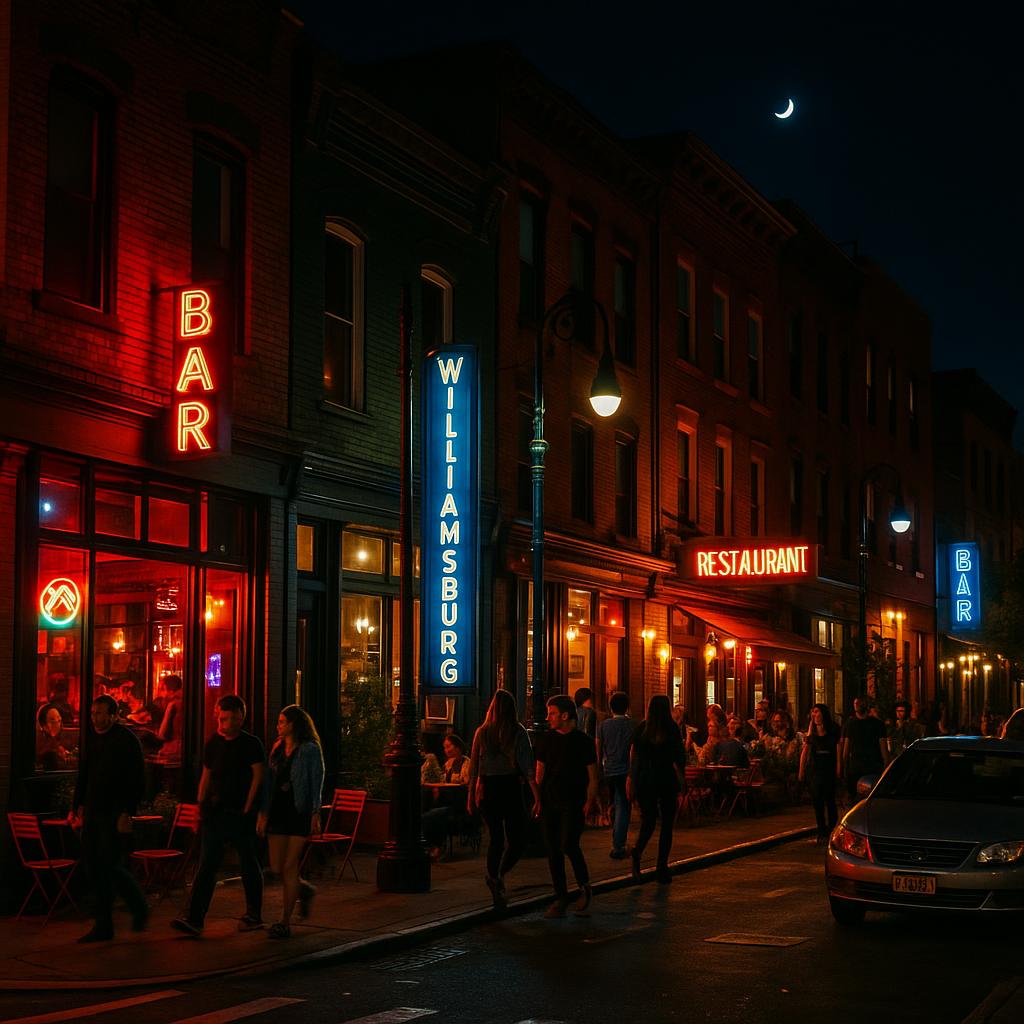
Quick Answer
- Top micro-neighborhoods known for safe nightlife typically include well-lit, community-patrolled areas with a mix of bars, restaurants, and entertainment options.
- Examples: Williamsburg in Brooklyn, Pearl District in Portland, and the French Quarter in New Orleans.
Key Takeaways
- Safety in nightlife areas is influenced by local policing, community engagement, and business licensing.
- Micro-neighborhoods often offer a more intimate, vibrant nightlife experience while maintaining safety.
- Choosing a nightlife spot should consider lighting, crowd size, and accessibility.
Introduction
Understanding what makes a nightlife area “safe” is crucial for enjoying evening outings without worry. Safe nightlife micro-neighborhoods combine vibrant social scenes with strong security measures and community involvement. This guide breaks down key safety factors and highlights some of the best micro-neighborhoods known for combining excitement with security.
What Defines Safety in Nightlife Micro-Neighborhoods?
- Strong presence of local law enforcement and security personnel actively patrolling nightlife hubs.
- Community involvement including neighborhood watch programs that keep areas monitored.
- Good street lighting and easily accessible, reliable transportation options for visitors.
- Strict regulations on business operations that promote responsible alcohol service and control crowd behavior.
Step-by-Step: How to Identify Safe Nightlife Micro-Neighborhoods
- Research local crime rates and recent safety reports. Check police websites or community bulletins for up-to-date safety information.
- Check reviews and testimonials. Look for feedback from both residents and frequent visitors about the atmosphere and safety after dark.
- Visit the area during evening hours. Observe lighting, the type of crowds, visible security measures, and overall vibe.
- Evaluate public transportation and safe ride availability. Ensure there are accessible transit options or reputable taxi services for returning home safely.
- Look for community events that promote responsible nightlife. Neighborhood festivals, pub crawls with safety oversight, or security checkpoints can be indicators.
Examples of Top Micro-Neighborhoods with Safe Nightlife
- Williamsburg, Brooklyn, NY
- Vibrant bar and lounge scene coupled with community policing initiatives that encourage safety.
- Active neighborhood associations that coordinate with local authorities to maintain order.
- Pearl District, Portland, OR
- Offers well-regulated venues with a pedestrian-friendly layout, supplemented by frequent police patrols.
- Excellent street lighting and cluster of upscale dining and entertainment options ensure an inviting but secure environment.
- French Quarter, New Orleans, LA
- A renowned tourist area with dedicated security teams working alongside local law enforcement to keep crowds safe at night.
- Strict safety protocols at nightlife venues balance vibrant energy with community welfare.
Choosing any of these neighborhoods for your evening outings typically results in a balance of fun and safety, thanks to their unique focus on community and structure.
Common Pitfalls When Choosing a Nightlife Area
- Relying solely on popularity without verifying current safety conditions can be misleading.
- Ignoring transportation options might lead to risky situations late at night without safe ways to get home.
- Overlooking local neighborhood dynamics or outdated crime statistics can result in unexpected safety issues.
Checklist for Selecting a Safe Nightlife Micro-Neighborhood
- Confirm reliable and visible law enforcement presence.
- Ensure streets and venues are well-lit.
- Verify availability of safe, affordable transportation options at night.
- Look for active community groups supporting nightlife safety.
- Check that venue owners adhere to responsible business licensing and alcohol service.
- Survey area yourself during target outing times if possible.
Tools and Resources for Evaluating Nightlife Safety
- City-Data.com – for detailed neighborhood crime stats.
- NeighborhoodScout – crime reports and school ratings.
- Walk Score – measures walkability and transit options.
- SpotCrime – interactive crime mapping tools.
- Local police department websites for recent safety advisories and initiatives.
Frequently Asked Questions
- Q: How can I tell if a nightlife area is safe before visiting?
A: Research updated crime stats, read recent visitor reviews, and check for visible security features or community programs. - Q: Are busy nightlife areas always safer?
A: Not necessarily. High crowd density can increase safety through numbers but also raise risks in unregulated environments. - Q: What role does public transportation play in nightlife safety?
A: Easy access to reliable, late-night transportation options significantly improves safety by providing secure ways to leave venues. - Q: Can a neighborhood be safe overall but have unsafe nightlife zones?
A: Yes, some micro-neighborhoods have nightlife spots with varying safety levels, so micro-level research is important. - Q: How do local regulations affect nightlife safety?
A: Strict enforcement of liquor licensing and capacity limits helps ensure venues operate responsibly and reduces incidents. - Q: Is it safer to go out in groups?
A: Yes, groups typically experience greater safety and can better respond to unexpected situations. - Q: Are there apps that provide real-time safety info for nightlife areas?
A: Some apps offer live crime alerts and community reports, but their coverage varies—use as supplementary tools.
Conclusion
Opting for nightlife micro-neighborhoods with strong safety practices enhances enjoyment and peace of mind. By prioritizing areas with visible law enforcement, well-lit streets, responsible venues, and good transport access, visitors can experience dynamic nightlife securely. Always complement research with direct observations when possible, and consider local community engagement as a key indicator of safety.
For those planning travel incorporating nightlife, consider consulting reputable local guides and booking accommodations through trusted sources such as recommended booking platforms to ensure your entire stay maintains high standards of safety and comfort.