
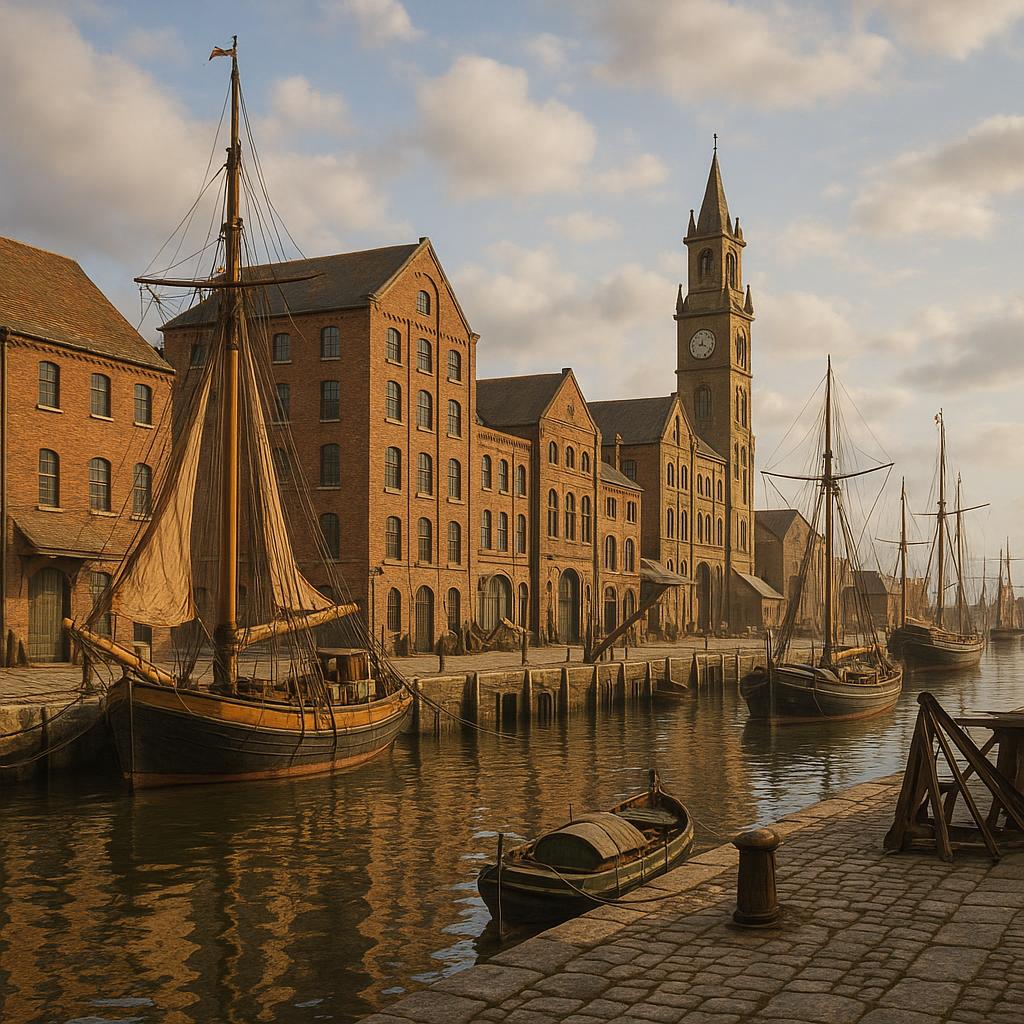
Quick Answer
- Best historic port cities accessible via public transportation include:
- Venice, Italy
- Hamburg, Germany
- Lisbon, Portugal
- Valparaíso, Chile
- Alexandria, Egypt
Key Takeaways
- Each city offers a unique blend of maritime heritage and cultural landmarks.
- Most historic port cities have well-developed public transit making visits convenient and eco-friendly.
- Exploring by public transport provides a more authentic experience connecting with local culture.
Introduction
Historic port cities have served as crucial nodes in global trade and cultural exchange for centuries. These cities harbor rich maritime heritage showcased through ancient docks, bustling waterfronts, and iconic architecture. Visiting such cities provides valuable insight into how maritime commerce shaped regions politically, economically, and culturally. Using public transportation to explore these destinations minimizes logistical hassle and contributes to sustainable tourism practices.
What Defines a Historic Port City?
- Strategic location on significant waterways such as seas, rivers, or oceans, facilitating trade routes.
- Centuries of maritime activity reflected in surviving shipyards, docks, warehouses, and naval installations.
- Rich cultural heritage connected to commerce, immigration, naval warfare, and shipbuilding.
Step-by-Step Guide to Visiting Historic Port Cities by Public Transport
- Research destination cities renowned for maritime heritage and efficient transit networks.
- Identify key entry points such as airports, train stations, or bus terminals with direct connections.
- Plan local transit routes to main port landmarks, museums, and neighborhoods.
- Purchase public transport tickets or passes in advance for cost efficiency and convenience.
- Allow time for walking tours, harbor boat rides, and museum visits.
- Respect local customs and sustainability guidelines to preserve cultural sites.
Top Examples of Historic Port Cities Accessible by Public Transport
Venice, Italy
- Arrive at Venezia Santa Lucia train station, located directly on the Grand Canal.
- Known worldwide for its intricate canals, ancient shipyards like Arsenale, and maritime museums.
- Public transport relies on water buses (vaporettos), offering authentic waterfront exploration.
Hamburg, Germany
- Well-connected by trains and buses to the central station and beyond.
- Features the historic Speicherstadt warehouse district and extensive harbor facilities.
- Public transit ferry lines provide harbor tours and access to maritime landmarks.
Lisbon, Portugal
- Lisbon’s metro, trams, and buses connect travelers seamlessly to its port areas.
- Explore historic docks at Belém with landmarks like the Tower of Belém and maritime museums.
- River cruises on the Tagus add depth to the maritime experience.
Valparaíso, Chile
- Reachable by bus or local train from Santiago’s central station.
- The city’s colorful hillsides feature funiculars for steep terrain navigation.
- Preserves unique South American maritime culture as a UNESCO World Heritage site.
Alexandria, Egypt
- Connected via train and bus routes from Cairo with frequent schedules.
- Home to ancient port ruins including remnants of the Lighthouse of Alexandria.
- Museums detail the city’s Mediterranean shipping and naval history.
Common Pitfalls When Visiting Historic Port Cities
- Underestimating the complexity of local transit timetables, especially ferries or funiculars.
- Visiting during peak tourist seasons without advance booking, leading to crowded transport.
- Neglecting accessibility issues in older port districts with uneven terrain or limited lifts.
- Ignoring local weather impacts that may affect boat tours or outdoor walking routes.
Checklist for Visiting Historic Port Cities via Public Transport
- Confirm public transport connections from your arrival gateway.
- Purchase day passes or city transit cards if available.
- Check schedules for water taxis, trams, and funiculars.
- Plan walking routes between transit stops and historic sites.
- Allow extra time for slower transport modes like boats or cable cars.
- Carry a map or a transit app with offline capabilities.
- Respect local environmental practices—avoid single-use plastics, follow designated paths.
Tools and Resources for Planning
- Transit apps specific to the city (e.g., ATAC for Rome, VBB for Berlin).
- Official city tourism websites providing transport passes and schedules.
- Public transportation maps available inside train stations or online.
- Harbor authority websites for boat and ferry schedules.
- Online guides to maritime museums and walking tours.
FAQ
- Which public transport passes offer the best value in these port cities? City-specific tourist cards or day passes generally provide unlimited travel on public buses, trams, and ferries, offering both convenience and savings.
- What is the best time of year to visit historic port cities? Spring and autumn often feature milder weather and fewer tourists, enhancing the experience and public transport comfort.
- Are these cities navigable for travelers with mobility challenges? While many have improved accessibility, some older districts, especially with cobbled streets or steep hills, can be challenging. Research and contact local tourist offices for advice.
- Can I rely only on public transport to see key sites? Yes, most major historic sites in these cities are well-served by public transit, though some walking may be required.
- Are boat tours included in public transport passes? Not typically; boat tours are usually ticketed separately but are often accessible via transit docks.
- Is it better to use taxis or rideshares in these cities? Public transport offers a more authentic and cost-effective experience; taxis may be used occasionally for convenience or late hours but are not necessary.
- How do I avoid crowds on public transport? Travel during off-peak hours and early mornings to avoid the busiest times.
Conclusion
Historic port cities like Venice, Hamburg, Lisbon, Valparaíso, and Alexandria offer unparalleled access to maritime heritage easily reachable by comprehensive public transport systems. Careful planning maximizes the cultural immersion and logistical ease of your visit. Opting for public transit not only elevates your travel experience but also supports the sustainable preservation of these iconic maritime hubs.
For accommodations and further travel planning, consider reliable platforms like Booking.com to find options aligned with your itinerary.