
Quick Answer
Top food regions with easy hikes include Tuscany (Italy), Provence (France), Napa Valley (USA), and Kyoto (Japan). Each offers scenic, accessible trails paired with renowned local cuisine.
Key Takeaways
- Combining culinary delights with hiking enhances travel experiences.
- Easy hikes are available in popular food regions globally, making them accessible for most travelers.
- Planning involves selecting gentle terrain trails near hubs of local food and wine.
Introduction
Exploring food regions by foot creates a multi-sensory and cultural immersion that deepens appreciation for local flavors and landscapes. Easy hikes in these regions make outdoor experiences accessible to a broad range of travelers without compromising the connection to nature or gastronomy. This guide spotlights top global destinations where outstanding culinary heritage meets gentle walking trails.
What Defines an Easy Hike in Food Regions?
Easy hikes in food regions typically feature short distances (often under 5 miles/8 km), minimal elevation gains, and clearly marked paths. Accessibility is key, meaning trails are well-maintained and approachable for people with moderate fitness. Scenic value is also important, as routes often traverse vineyards, olive groves, or historic sites enhancing the cultural experience alongside the food.
Which Food Regions Offer the Best Easy Hikes?
Tuscany, Italy
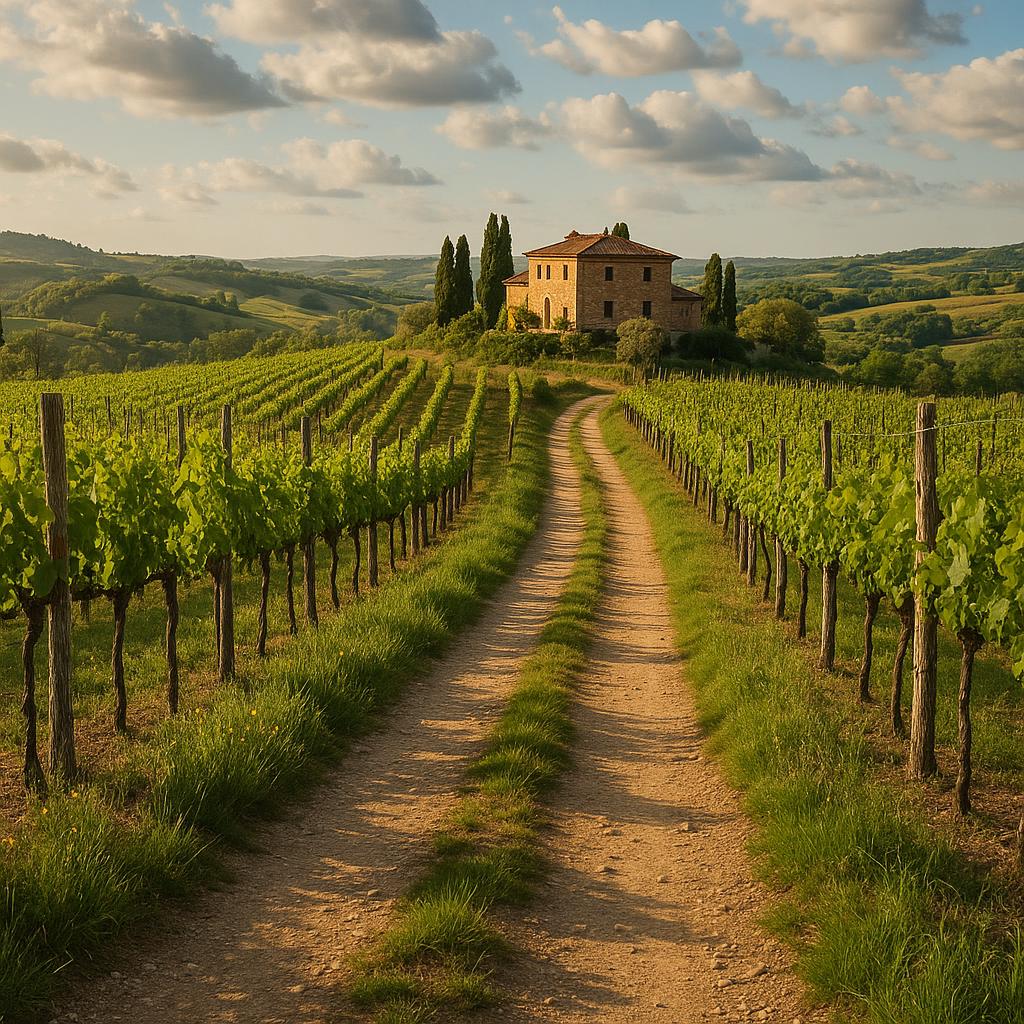
Tuscany is renowned for its rolling hills dotted with vineyards and olive trees. Easy hikes here include the Chianti wine region routes around Greve and Castellina, as well as gentle walks through the Val d’Orcia valley. These trails offer breathtaking views and plenty of opportunities to stop for an olive oil tasting or a meal featuring traditional Tuscan fare like ribollita and pici pasta.
Provence, France
Provence blends lavender fields, vineyards, and quaint villages. Easy hikes meander near towns like Gordes or around the Luberon mountains, with flat to mildly undulating paths. Along these routes, travelers can savor local specialties such as herbs de Provence, ratatouille, and a range of fine rosé wines.
Napa Valley, USA
Known primarily for its wine, Napa Valley’s accessible hiking includes riverwalks and vineyard trails around towns like Yountville and St. Helena. These easy paved or gravel trails allow for wine and cheese tastings at nearby estates, alongside farm-to-table dining experiences emphasizing seasonal produce.
Kyoto, Japan
Kyoto offers a different but equally compelling experience. Easy hikes here include temple walks and strolls along historic streets such as the Philosopher’s Path or Arashiyama Bamboo Grove. The city combines gentle slopes and urban gardens with sushi, kaiseki cuisine, and matcha sweets, emphasizing seasonal and refined flavors.
Step-by-Step Planning for a Food and Hiking Trip
- Research regions and trails: Identify food regions that offer easy, scenic hikes matching your interests and fitness.
- Choose routes: Opt for trails with minimal elevation and well-marked paths near culinary hotspots.
- Schedule culinary stops: Plan meals and tastings to appreciate the local cuisine fully.
- Book accommodations: Stay within walking or short driving distance to trailheads and food destinations (reliable booking site).
- Pack appropriately: Bring comfortable footwear, sun protection, and space for any food purchases or snacks.
Examples of Easy Hiking Food Itineraries
- 2-day Tuscany itinerary: Day 1: Walk through Chianti vineyards ending at a local winery for lunch and tasting; Day 2: Gentle hike in Val d’Orcia followed by lunch featuring regional specialties.
- Weekend Provence: Morning hike around lavender trails near Gordes, afternoon market visit to select picnic ingredients such as fresh cheese, olives, and baguette.
Common Pitfalls to Avoid
- Overestimating hiking ability — choose easy routes matching your fitness to avoid exhaustion.
- Underscheduling food stops — hurrying reduces culinary enjoyment and energy levels.
- Ignoring weather — heat or rain can affect trail safety and comfort; plan accordingly.
- Not verifying trail accessibility or opening times of tasting rooms and restaurants.
FAQ
- What makes a hiking trail “easy”?
- Short length, minimal elevation change, safe and well-marked paths, accessible terrain.
- Can beginners enjoy these hikes?
- Yes, all featured hikes are suitable for beginners with basic fitness.
- Is local food available along hiking routes?
- Most routes pass near towns or farms where local food and wine tastings are offered.
- Do I need special equipment?
- Comfortable walking shoes, weather-appropriate clothing, and possibly a small backpack for snacks and water suffice.
- When is the best season for food and hiking trips?
- Spring to early autumn offers favorable weather and peak food harvest seasons in most regions.
- Are guided food and hike tours available?
- Yes, many regions offer combined culinary and hiking tours, which can enhance the experience.
- How to combine these walks with public transport?
- Many food areas like Napa Valley or Tuscany are accessible by local buses or shuttles; planning routes near transit hubs is advised.
Conclusion
Easy hikes in distinguished food regions provide a rich, memorable blend of nature and gastronomy. With thoughtful planning, travelers of all experience levels can explore diverse landscapes while indulging in authentic local cuisine. This combination elevates travel from sightseeing to a full cultural and sensory experience. Adventure seekers and food lovers alike are encouraged to explore these accessible destinations and savor the best of both worlds.
Tools and Resources
- Trusted accommodation booking platform tailored for food regions.
- Regional hiking guides and maps available at visitor centers or online.
- Mobile apps for trail navigation (e.g., AllTrails, Komoot).
- Local tourism websites for event and market schedules.
- Food and wine tour operators specializing in gentle walks.
Related Articles You Might Like
- What Destinations Are Best for Food-Focused Travel?
- What Are the Best Thermal-Bath Towns Reachable by Public Transport?
- What Are the Best Forest Villages with Great Food?
- What Are the Best Riverfront Neighborhoods Reachable by Public Transport?
- What Are the Best Coastal Towns for First-Time Visitors?
- Where Can You Travel Without Renting a Car?