
Quick Answer
- Plan a two-week workation route focusing on versatile destinations and accommodation.
- Pack multi-use, lightweight clothing and essential tech gadgets only.
- Utilize local laundry services or self-wash options to minimize luggage.
- Organize your itinerary to include consistent workspaces and reliable internet access.
Key Takeaways
- Effective packing means prioritizing essentials and versatility in clothing and gear.
- Choosing destinations with good infrastructure supports work needs.
- Incorporate travel logistics that minimize transit stress and maximize productivity.
- Advance planning for accommodations and workspaces ensures a smooth experience.
Pros & Cons
Pros
- Flexibility to combine work and leisure.
- Exposure to new environments that can boost creativity and motivation.
- Improved work-life balance through a change of scenery.
Cons
- Potential challenges in maintaining consistent work hours.
- Risks of internet connectivity issues impacting productivity.
- Managing minimal luggage could limit wardrobe and personal items choices.
How to Plan Your Two-Week Workation Route
Step 1: Select Work-Friendly Destinations
- Prioritize cities or towns known for coworking spaces and good internet.
- Consider time zone compatibility with your work schedule.
- Ease of transportation between locations to reduce travel fatigue.
Step 2: Schedule Accommodation with Work Amenities
- Book accommodations with reliable Wi-Fi, comfortable workspaces, and power outlets.
- Opt for locations close to cafes or coworking hubs.
- Look for places offering laundry facilities to reduce clothing needs.
Step 3: Map Out Travel Logistics
- Plan routes that limit luggage shuffling and long transit times.
- Use travel apps to organize bookings and reminders.
- Keep important documents and electronics accessible during transit.
How to Pack Minimal Luggage for a Two-Week Workation
Step 1: Choose Versatile Clothing
-
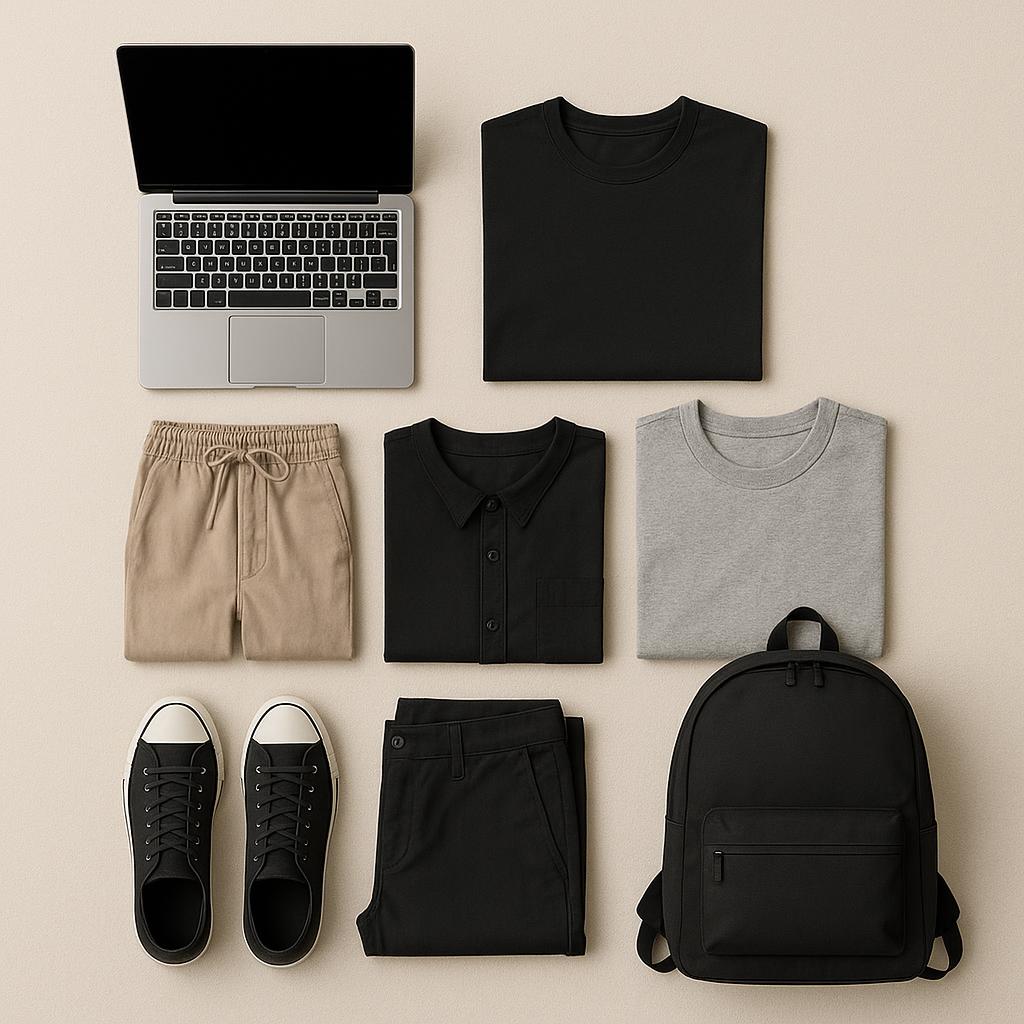
Select neutral colors and mix-and-match pieces to maximize outfit combinations.
- Include garments suitable for both work and casual settings.
- Pack lightweight, quick-dry fabrics for ease of washing and drying.
Step 2: Limit Tech and Work Gear
-
Bring only essential devices like a laptop, chargers, and universal adapters to save space.
- Use cloud storage and digital documents to avoid carrying papers.
- Consider compact accessories such as noise-canceling earbuds or portable Wi-Fi hotspots.
Step 3: Leverage Laundry Options
-
Plan mid-trip laundry using local laundromats, hotel services, or hand washing to reduce clothing volume.
- Pack a small, quick-dry laundry bag and detergent sheets for convenience.
Examples of Workation Routes with Minimal Luggage
- Coastal route: Start at a beach town with relaxed workspaces, move to a city offering coworking spaces, then a scenic countryside Airbnb with strong internet.
- Urban route: Begin in a major city known for its amenities, shift to a small town with vibrant cafes, ending at a nearby weekend retreat spot for relaxation.
- International route: Choose destinations within similar climate zones to reduce clothing variation and ensure efficient travel connections.
Common Pitfalls to Avoid
- Overpacking due to uncertainty about needs, resulting in bulky luggage.
- Choosing accommodations without verifying internet speed or workspace suitability.
- Ignoring time zone differences that may disrupt work calls and schedules.
- Underestimating travel time between locations leading to reduced productivity and exhaustion.
Checklist for a Two-Week Workation with Minimal Luggage
- Confirm coworking spaces or reliable work environments in chosen destinations.
- Book accommodations with strong Wi-Fi and comfortable work areas.
- Pack mix-and-match clothing focusing on neutral colors and quick-dry fabrics.
- Bring essential tech gear: laptop, chargers, adapters, earbuds.
- Plan laundry during the trip to minimize clothing count.
- Prepare digital backups and easy access to work files.
- Organize travel documents and keep them accessible.
- Use a packing list app or printable template to track items.
Useful Tools and Resources
- AI Travel Itinerary Planner – Plan your workation route efficiently with AI assistance.
- Flight Booking Tool – To find and organize flights matching your route.
- Travel Insurance Options – Essential coverage for peace of mind during your workation.
- eSIM Providers – Stay connected internationally without bulky SIM cards.
- Booking for Accommodations – Find and reserve stays with work-friendly features.
Frequently Asked Questions
- How can I ensure reliable internet during a workation? Choose accommodations and coworking spaces with confirmed high-speed internet, read recent guest reviews, and have a backup such as a mobile hotspot or an eSIM from a trusted provider.
- What type of luggage is best for minimal packing? A lightweight carry-on suitcase or a durable backpack with multiple compartments is ideal for minimal packing as it limits the tendency to overpack and eases transit.
- How do I manage work-life boundaries on a workation? Establish a dedicated workspace, set clear work hours, and communicate your schedule with team members. Incorporate breaks and leisure activities to maintain balance.
- Is it better to pack clothes for two weeks or do laundry? Packing fewer clothes and planning laundry mid-trip saves space and weight, especially with quick-dry fabrics that allow frequent washing.
- What should I consider when choosing destinations for a workation? Consider internet quality, availability of coworking spaces, time zone compatibility, safety, and access to amenities that support both work and leisure.
- Are digital documents enough for work on the road? Yes. Using cloud storage and online apps reduces paper clutter and facilitates seamless access from any location, minimizing luggage.
- How can I avoid travel fatigue during a multi-location workation? Plan travel on off-hours, limit the number of transit days, and choose accommodations near work and leisure locations to reduce commute times.
Conclusion
- A two-week workation with minimal luggage is achievable through careful planning and packing.
- Prioritize versatility in clothing, digital tools for work, and destinations with strong infrastructure.
- Anticipate and prepare for challenges like connectivity and travel logistics to maintain productivity and comfort.