
Quick Answer
- Best walkable design capitals for first-time visitors include Copenhagen, Amsterdam, Barcelona, and Tokyo.
- These cities offer compact, pedestrian-friendly layouts with accessible public spaces and iconic design landmarks.
Key Takeaways
- Walkability enhances the visitor experience by making iconic design sites easily accessible on foot.
- Successful design capitals combine historical charm, modern infrastructure, and clear navigation.
- Factors such as safety, street design, and mixed-use neighborhoods contribute to walkability.
- Each city offers a unique blend of design history, culture, and pedestrian-friendly environments.
Why Walkability Matters for Design Capitals
- Facilitates immersive exploration of architectural and urban design landmarks.
- Encourages spontaneous discovery and engagement with local culture.
- Reduces dependency on transportation, promoting sustainable tourism.
Step-by-Step: How to Evaluate Walkability as a First-Time Visitor
- Check proximity of major design sites and museums to enable efficient walking routes.
- Assess pedestrian infrastructure such as sidewalks, crossings, and signage for ease and safety.
- Evaluate availability of walkable neighborhoods with mixed-use areas that combine living, shopping, and cultural spaces.
- Look for pedestrian zones or car-free streets that enhance comfort and reduce traffic hazards.
- Consider safety factors including lighting, crowd density, and clear navigation aids for first-timers.
Top Design Capitals with Exceptional Walkability
Copenhagen, Denmark
- Compact city center integrates modern Danish design with historic architecture, making many highlights walkable in a day.
- Extensive pedestrian zones and dedicated cycling paths coexist, creating a safe and enjoyable urban walking experience.
- Notable sites such as Design Museum Denmark and waterfront areas like Nyhavn can be reached easily on foot.
Amsterdam, Netherlands
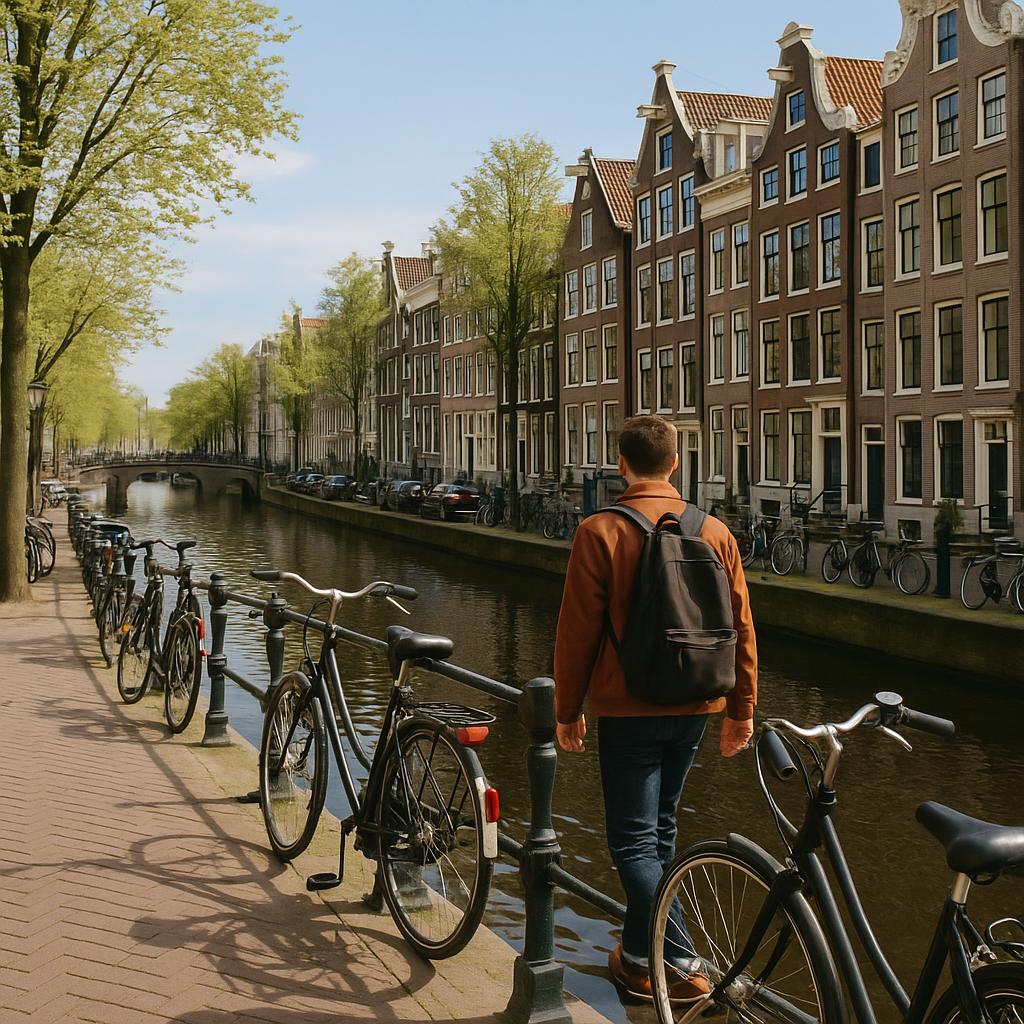
- The iconic canal ring creates picturesque, accessible neighborhoods perfect for walking tours.
- Strong emphasis on pedestrian safety supplemented by excellent bike infrastructure reduces vehicle dominance.
- Design museums, historic buildings, and lively markets are within comfortable walking distances.
Barcelona, Spain
- The Eixample district features a grid layout with wide sidewalks and chamfered street corners improving sightlines and flow.
- Antoni Gaudí’s landmarks like the Sagrada Familia and Park Güell are centrally located within pedestrian-friendly zones.
- Active street life and numerous plazas encourage exploratory walking and cultural interaction.
Tokyo, Japan
- Distinct neighborhoods from traditional areas like Asakusa to modern hubs such as Roppongi Hills offer walkable pockets rich in design contrasts.
- Clean, safe streets with excellent signage and abundant public amenities support confident exploration.
- Pedestrian-friendly hubs include Omotesando, known for cutting-edge architecture and design boutiques.
Common Pitfalls for Walkability in Design Capitals
- Overreliance on public transportation may disrupt the immersive walking experience vital for design exploration.
- Large urban sprawl or areas with heavy traffic can limit pedestrian access and safety.
- Insufficient signage or poorly maintained pedestrian infrastructure complicates navigation for first-time visitors.
- Adverse weather conditions (rain, extreme heat) can reduce comfort and willingness to explore on foot.
Checklist: Preparing for a Walkable Design City Visit
- Map key design landmarks and check walking distances beforehand.
- Pack comfortable walking shoes and weather-appropriate clothing.
- Download city maps or navigation apps that highlight pedestrian routes.
- Identify rest stops, cafes, and public toilets along your planned routes.
- Research any pedestrian zones or car-free days to maximize the walkability experience.
- Learn basic local language phrases for asking directions or help if needed.
Common Mistakes to Avoid
- Underestimating distances between design sites and assuming public transport is always necessary.
- Ignoring pedestrian safety rules or crossing outside designated zones.
- Skipping early planning for walkable routes, leading to rushed or inefficient visits.
- Overpacking the itinerary with too many distant sites, reducing time to enjoy walking and spontaneous discoveries.
Tools and Resources for Enhancing Walkability Experience
- City pedestrian maps and official tourism websites offer detailed walking itineraries and safety tips.
- Mobile apps like Google Maps provide real-time walking directions and transit alternatives.
- Local walking tour platforms offer guided options focused on design history and architecture.
- Weather apps to plan for comfortable walking days.
- Online forums and travel blogs for first-hand advice from other visitors.
Frequently Asked Questions
- Which design capital is the safest for walking? Copenhagen and Tokyo rank highly for pedestrian safety due to strict traffic regulations and well-maintained infrastructure.
- Are guided walking tours available that focus on design? Yes, many cities offer guided tours specializing in architecture and design history – checking local tourism sites in advance is recommended.
- How to prepare for walking in an unfamiliar city? Familiarize yourself with maps, wear comfortable shoes, bring water, and plan your route to include breaks.
- Is it better to rent bicycles in these cities? While cycling is popular, first-time visitors might prefer walking as it allows deeper engagement with details of design and culture.
- What time of day is best for walkability? Early mornings or late afternoons usually offer cooler temperatures and fewer crowds, improving the walking experience.
- Are there apps specifically for design-focused walking routes? Some cities provide customized apps or downloadable guides highlighting design landmarks – research your destination to find these resources.
- How does weather impact walkability in these capitals? Seasonal considerations are important; for example, rainy winters in Copenhagen might require waterproof gear, while summer heat in Barcelona calls for sun protection.
Conclusion
- Walkability is a vital aspect of experiencing design capitals, enriching cultural insight and visitor satisfaction.
- Cities such as Copenhagen, Amsterdam, Barcelona, and Tokyo exemplify accessible, pedestrian-friendly environments rich in design heritage.
- Assessing walkability factors before traveling ensures efficient, safe, and immersive exploration.
- With thoughtful preparation, first-time visitors can maximize enjoyment of global design hubs on foot, fostering deeper connections to their urban fabric.
For further travel planning resources on walkable cities, consider using comprehensive platforms like Booking.com to find accommodation conveniently located in the heart of these design capitals.