
Quick Answer
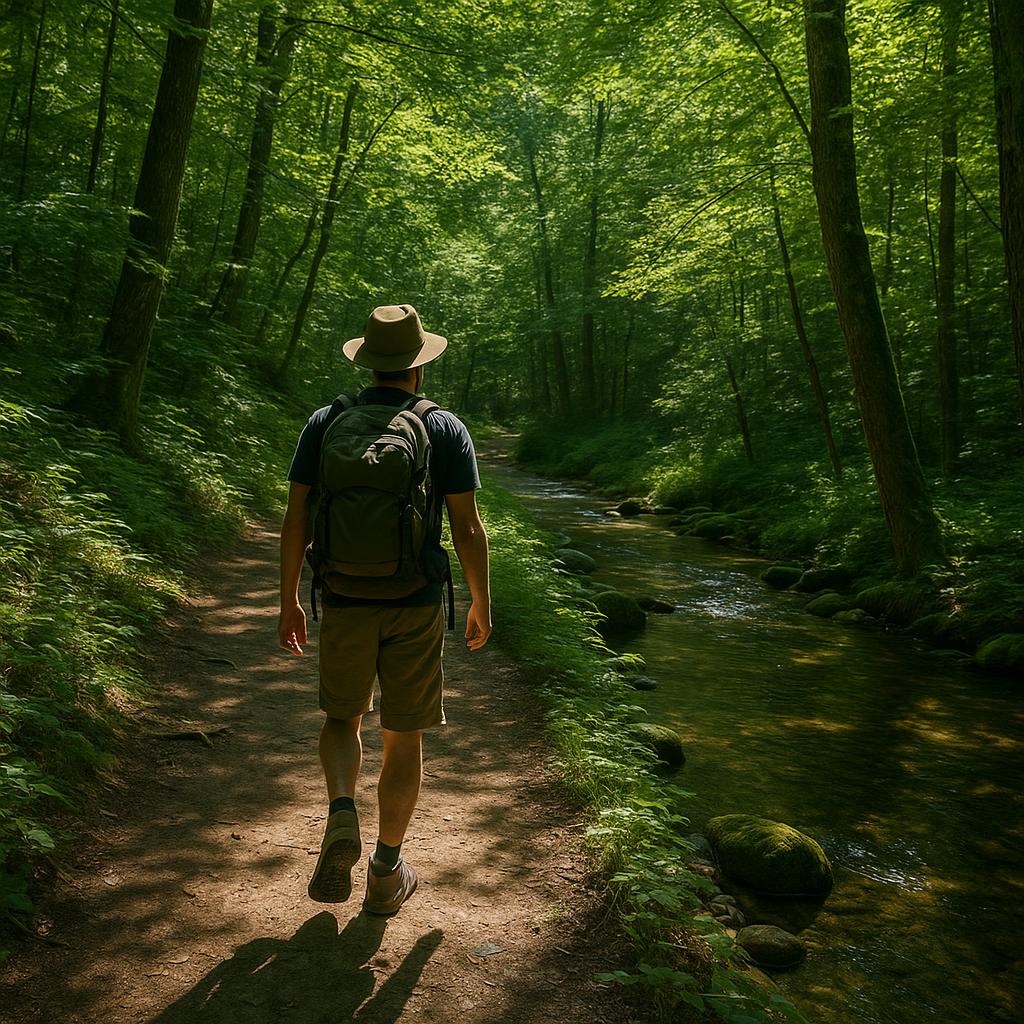
- Short, shaded routes with natural water sources provide the best summer micro-hikes.
- Prioritize trails under tree canopies or along streams.
- Choose loops or out-and-back hikes roughly 3-5 miles to fit the two-hour window.
- Easy to moderate terrain prevents fatigue and heat exhaustion.
- Early morning or late afternoon starts optimize cooler temperatures.
Key Takeaways
- Micro-hikes lasting around two hours are ideal for quick summer outdoor excursions.
- Trail selection should focus on shade, water availability, and moderate difficulty.
- Planning includes timing hikes to avoid peak heat and carrying essentials like water and sun protection.
Introduction
Micro-hikes—compact hiking excursions lasting about two hours—offer an excellent way to connect with nature without demanding extensive time or exertion. In summer, these short hikes enable you to enjoy nature while managing the challenges posed by higher temperatures.
- Benefits:
- Fit outdoor activity efficiently into busy schedules.
- Gain restorative contact with nature without overexerting.
- Challenges:
- Summer heat increases risks like dehydration and heatstroke.
- Requires thoughtful planning around timing, terrain, and gear.
Which Types of Trails Work Best for Two-Hour Summer Micro-Hikes?
- Shaded Trails
- Dense tree canopy helps regulate temperature and reduces direct sun exposure.
- Examples include forested loops and woodland nature preserves.
- Water-Adjacent Paths
- Trails running alongside streams, lakes, or springs often offer cooler microclimates.
- They provide scenic spots to pause and refresh.
- Moderate Terrain Trails
- Maintain manageable elevation and stable footing to prevent fatigue.
- Avoid steep climbs or rocky scrambles that increase exertion and risk in heat.
How to Plan Your Two-Hour Summer Micro-Hike Step-by-Step
- Research local trails that fit your desired distance and offer shade and/or water features.
- Check recent trail conditions and weather forecasts to avoid unexpected hazards.
- Schedule your hike in the early morning or late afternoon to avoid peak heat and sun intensity.
- Pack essentials: sufficient water, sunblock, hat, sunglasses, and lightweight, breathable snacks.
- Inform a friend or family member of your hiking plan and expected return time for safety.
- Wear moisture-wicking, breathable clothing and sturdy, comfortable footwear suitable for the trail.
- During the hike, monitor your pace, stay hydrated, and rest in shaded spots as needed.
Example Micro-Hike Plans for Summer
- Example 1: A 3.5-mile shaded forest loop featuring intermittent creek crossings to cool off and scenic diversity.
- Example 2: An out-and-back trail of about 4 miles along a lake shoreline with benches and picnic spots for breaks.
- Example 3: An urban greenway trail with continuous tree cover, short access to water fountains, and well-placed benches.
Common Pitfalls To Avoid
- Underestimating the intensity of summer heat and pushing your physical limits.
- Failing to bring enough water or neglecting sun protection, causing dehydration or sunburn.
- Starting hikes during midday when the sun is strongest and temperatures peak.
- Ignoring trail signage, which may warn about hazards or closures.
- Opting for challenging or technical terrain incompatible with a short, safe summer hike.
Frequently Asked Questions (FAQs)
- What essential gear should I carry on a two-hour summer micro-hike?
Carry at minimum one liter of water, sunscreen, a hat, sunglasses, a small first aid kit, and a map or trail app. - How can I manage hydration effectively during a short summer hike?
Drink water before you start and take small, regular sips throughout the hike even if you don’t feel thirsty. - What safety precautions should I observe in summer heat?
Avoid hiking during the hottest parts of the day, dress in light clothing, and take breaks in the shade to cool down. - Are there specific footwear recommendations?
Opt for breathable, supportive hiking shoes with good traction, suitable for moderate terrain common in summer micro-hikes. - Can I hike alone on these short summer routes?
While micro-hikes are generally safer due to their length and accessibility, always inform someone of your plans and carry a charged phone. - How do I find shaded or water-adjacent trails near me?
Use local park websites, outdoor recreational apps, or guides that list trail features like canopy cover and water proximity. - What should I do if I feel overheated during the hike?
Stop in a shaded area, drink water, loosen clothing, and if symptoms worsen, seek assistance and exit the trail.
Conclusion
Two-hour micro-hikes in summer offer accessible and rewarding opportunities to enjoy the outdoors if carefully planned. Selecting trails that provide shade and water not only enhances your comfort but also reduces heat-related risks. By timing your hike for cooler parts of the day, packing essential gear, and pacing yourself, you can maximize the benefits of these brief yet refreshing summer excursions.
For more inspiration on crafting outdoor plans tailored to your interests and schedule, explore related guides like choose-your-own-pace hike days or picnic and paddle days for summer heat.
For detailed trail maps and booking nearby accommodations, you can use trusted platforms such as Booking.com.