
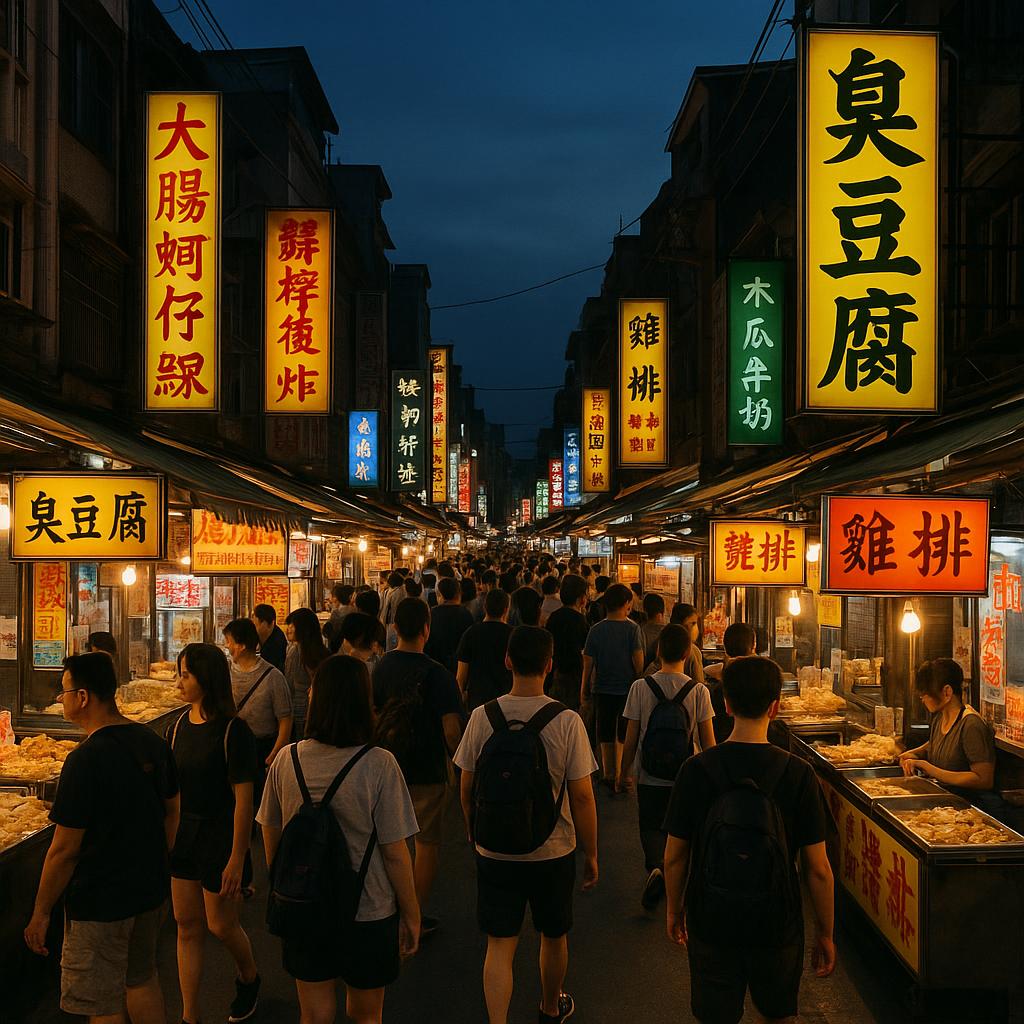
Quick Answer
- Top night-market districts easiest for first-time visitors include Taipei’s Shilin Night Market, Seoul’s Myeongdong Night Market, and Bangkok’s Asiatique The Riverfront.
- The ease of navigation is influenced by clear signage, layout simplicity, accessibility, and availability of English or bilingual guides.
Key Takeaways
- Choose night markets with organized stalls and pedestrian-friendly routes to reduce confusion.
- Markets near major public transport hubs typically offer better access and wayfinding.
- Markets providing maps, directory boards, or mobile apps improve visitor navigation.
- Understanding common pitfalls like peak hour crowding helps plan visits effectively.
Introduction
- Night markets offer vibrant cultural and culinary experiences but can be overwhelming for first-timers.
- Choosing markets that are easy to navigate enhances enjoyment and reduces stress.
- This article explores key night-market districts ideal for beginners and offers practical guidance.
What Makes a Night Market Easy to Navigate?
- Clear multilingual signage, particularly including English, helps non-local visitors avoid confusion.
- Logical layouts segmenting food, retail, and entertainment zones simplify visitor movement.
- Wide pedestrian walkways minimize congestion, making it easier to explore comfortably.
- Proximity to public transportation and availability of visitor guides, maps, or apps improves accessibility.
Step-by-Step Guide: Navigating Your First Night Market Visit
- Research night markets with good reputations for accessibility and clear layouts within your destination city.
- Download maps or visitor guides beforehand or obtain them at entrance points.
- Wear comfortable footwear suitable for uneven walkways and long walking.
- Plan to visit during off-peak hours where possible to avoid heavy crowds and move more freely.
- Enter through main gates with visible signage and follow marked zones to avoid confusion.
- Ask vendors or information desks for recommendations or clarifications if unsure where to go next.
- Take regular breaks at designated seating areas to maintain energy and avoid fatigue.
Examples of Easiest Night-Market Districts for First-Time Visitors
- Taipei – Shilin Night Market:
- A well-organized layout separates the extensive food court from the apparel and souvenir stalls, making navigation intuitive.
- English and Chinese signage is abundant, and it is located just a short walk from the Jiantan MRT station.
- Seoul – Myeongdong Night Market:
- Its compact, linear streets reduce the risk of getting lost, supported by frequent directional and shop signage in English and Korean.
- Well-served by subway lines, making public transit access straightforward.
- Bangkok – Asiatique The Riverfront:
- Open-air and waterfront layout breaks the market into clear zones (shopping, dining, entertainment), reducing overwhelm.
- Shuttle ferries connect it to city transport, and onsite maps and directional boards are standard.
Common Pitfalls to Avoid
- Avoid peak holiday and weekend evenings when these markets can become overcrowded, restricting smooth navigation.
- Do not rely solely on memory—utilize available maps, apps, and directory boards to maintain orientation.
- Wearing inappropriate footwear such as sandals or heels can increase discomfort on uneven or crowded surfaces.
- Failing to locate and familiarize yourself with emergency exits and designated meeting points can cause safety issues in crowded areas.
Checklist for First-Time Night Market Visitors
- Research market hours and accessibility in advance.
- Download or pick up official maps or apps.
- Plan arrival during off-peak times.
- Wear comfortable shoes and dress appropriately for the weather.
- Establish a meeting point with your group.
- Carry a portable charger for your phone.
- Have local currency ready and small bills for purchases.
- Stay hydrated and take breaks as needed.
Tools, Templates, and Resources for Navigating Night Markets
- Official night market websites or visitor portals.
- Mobile apps dedicated to the destination city for transit and attraction maps.
- Language translation apps that support offline use.
- City public transportation apps for route planning and real-time updates.
- Printable or downloadable night market maps and zone layouts.
- Travel forums and blogs offering firsthand navigation tips.
- Reliable booking platforms for accommodations near the markets, such as Booking.com.
Frequently Asked Questions
- Q: What time should first-timers visit night markets to avoid crowds?
A: Arrive shortly after opening hours on weekdays or early evenings to enjoy less crowded conditions. - Q: Are there night markets with guided tours for beginners?
A: Yes, some markets in major cities offer guided walking tours that help navigate layout and highlight popular stalls. - Q: How can I ensure safety while navigating crowded night markets?
A: Stay aware of your surroundings, keep belongings secure, and identify emergency exits upon arrival. - Q: Do night markets typically have English signage?
A: Many internationally famous night markets provide bilingual signage, but level of English varies by location. - Q: Is it better to visit a night market alone or with a group?
A: Both have merits, but groups can share navigation duties and food tasting, while solo visitors might explore more freely. - Q: What payment methods are accepted in night markets?
A: Cash is most common; some stalls accept mobile payments or cards, but carrying local currency is recommended. - Q: Are there options for people with mobility issues?
A: Some modern night markets have wheelchair access and wide paths, but traditional markets may be challenging—check individual market info.
Conclusion
- Choosing night markets with well-thought-out infrastructure, bilingual signage, and close public transport access significantly enhances the experience for first-time visitors.
- Proper preparation, including map review and timing your visit outside peak hours, reduces stress and maximizes enjoyment.
- Exploring recommended districts such as Taipei’s Shilin Night Market, Seoul’s Myeongdong Night Market, and Bangkok’s Asiatique The Riverfront ensures accessible, memorable, and culturally rich nights out.