
Quick Answer
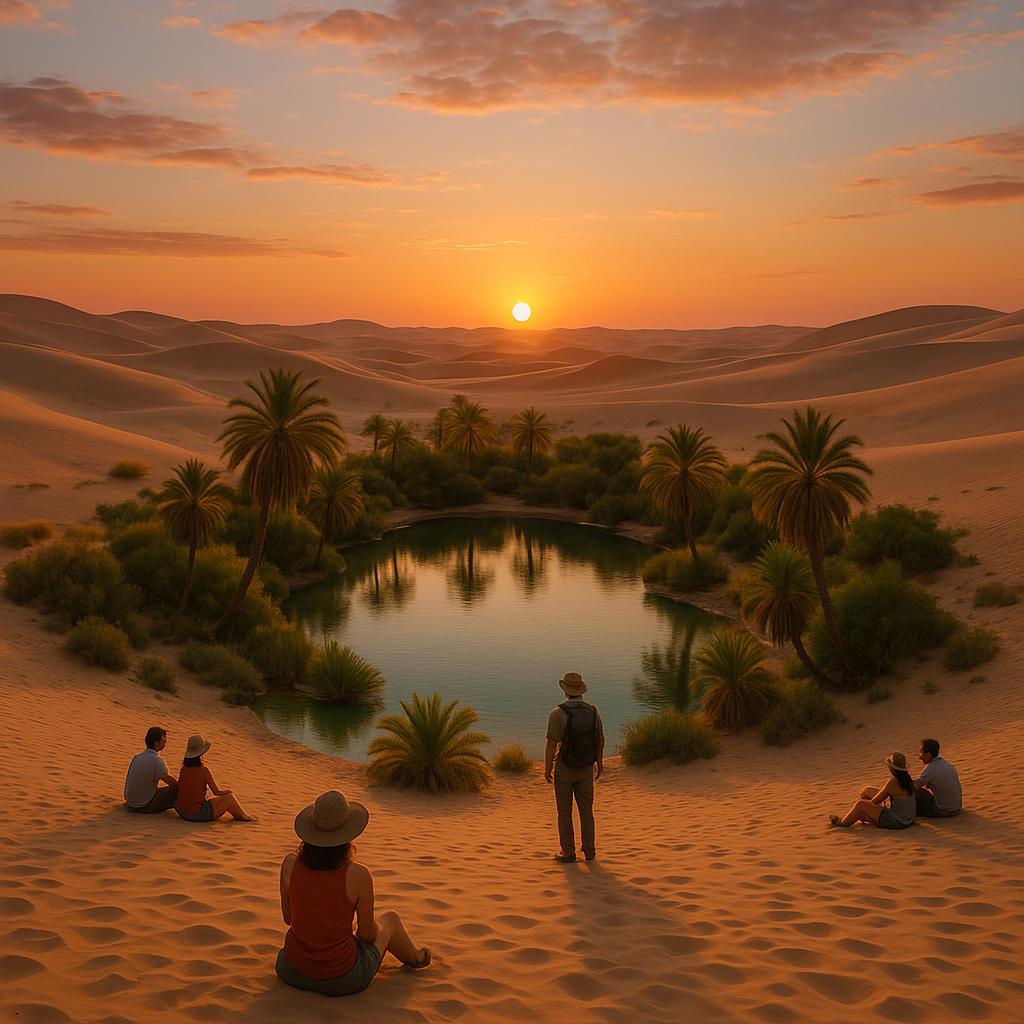
Desert oases such as Siwa Oasis in Egypt, Huacachina in Peru, and Joshua Tree Oasis in the USA represent some of the best value destinations during shoulder seasons. Traveling in spring or fall typically offers moderate temperatures, fewer crowds, and significantly lower prices. These periods strike an optimal balance between comfort and affordability, making them ideal for experiencing desert oases without the drawbacks of peak season.
Key Takeaways
- Shoulder seasons<span> reduce tourist density, resulting in more affordable accommodations and a more authentic travel experience.
- Choosing the right desert oasis depends on individual preferences—whether seeking cultural insight, adventure, or relaxation.
- Advance planning and monitoring travel deals are essential strategies to maximize value during these periods.
Pros & Cons
Siwa Oasis (Egypt)
- Pros: Rich cultural heritage, cooler temperatures during shoulder seasons, affordable lodging options.
- Cons: Limited transportation availability, some attractions may be seasonally closed.
Huacachina (Peru)
- Pros: Exciting adventure sports such as sandboarding, scenic dune landscapes, fewer visitors.
- Cons: Infrastructure is basic, nighttime can be unexpectedly chilly.
Joshua Tree Oasis (USA)
- Pros: Close proximity to Joshua Tree National Park, offering diverse hiking and climbing opportunities.
- Cons: Weather can be variable; accommodations spike in price during holiday periods.
Introduction
Desert oases—lush havens surrounded by arid landscapes—offer unique travel experiences combining natural beauty, cultural depth, and outdoor adventure. However, their popularity during peak seasons often drives up prices and crowds. Traveling during the shoulder season not only reduces costs but also enhances the quality of your visit, allowing for a more personal and relaxed experience.
What Defines the Shoulder Season in Desert Oases?
The shoulder season generally occurs during spring and autumn months, between the extremes of peak summer and winter. These periods offer milder, more pleasant temperatures and greater likelihood of stable weather conditions, especially important in harsh desert climates where summer heat can be extreme and winter nights especially cold.
Why Choose Desert Oases in Shoulder Season?
- Accommodation and activity prices commonly drop, delivering better value.
- Lower visitor numbers create a serene atmosphere and avoid overcrowding.
- More flexible scheduling and availability for guided tours and excursions.
Step-by-Step Guide to Finding the Best Value Oasis
- Identify your travel interests: Decide if your priority is cultural experiences, adventure, or relaxation.
- Research local climates: Choose oases known for temperate weather during shoulder seasons.
- Compare prices: Evaluate lodging and activities across multiple destinations for value.
- Monitor local festivals/events: Ensure your visit avoids local celebrations that might affect prices.
- Book early: Secure the lowest rates and preferred accommodations by planning ahead.
Examples of Best Value Desert Oases in Shoulder Season
Siwa Oasis, Egypt
Known for its ancient ruins, expansive salt lakes, and vibrant traditional markets, Siwa offers a mix of cultural richness and natural beauty. The shoulder seasons from March to May and September to November provide cooler temperatures and affordability.
Huacachina, Peru
This small oasis town attracts visitors with sandboarding, dune buggy rides, and a peaceful lagoon setting. April to June and September to November avoid harsh weather and the high tourist influx.
Joshua Tree Oasis, USA
Close to the iconic national park, Joshua Tree Oasis is a hub for hiking, rock climbing, and stargazing. March to May and October to November offer ideal conditions without summer heat or winter cold extremes.
Common Pitfalls to Avoid
- Ignoring potential weather extremes that can still occur in shoulder seasons, such as sudden temperature drops.
- Underestimating the time and cost required to reach often remote desert oases.
- Overlooking local holidays or events that might raise prices unexpectedly.
- Booking too late, leading to limited availability and higher costs.
Frequently Asked Questions
- When exactly are shoulder seasons for most desert oases?
- Typically, spring (March to May) and autumn (September to November) mark shoulder seasons, but this varies by location and local climate patterns.
- Is it safe to travel to desert oases in shoulder seasons?
- Yes, shoulder seasons generally offer safer and more comfortable weather conditions than peak summer or winter, but travelers should still prepare for temperature fluctuations.
- How do I find affordable accommodation during shoulder seasons?
- Using travel platforms like booking.com and booking early can help secure the best rates.
- Are activities limited during shoulder seasons?
- Most major activities remain available, and reduced crowds often enhance the experience; however, some seasonal closures can occur, so checking locally is advised.
- How can I monitor travel deals for desert oases?
- Subscribing to newsletters of travel sites, setting price alerts, and using itinerary tools like TripIt assist in catching optimal deals.
Conclusion
Traveling to desert oases during shoulder seasons offers an excellent balance of affordability, comfort, and authentic experience. By planning carefully—identifying your interests, researching climates, and booking early—you can enjoy iconic destinations like Siwa, Huacachina, and Joshua Tree with fewer crowds and better prices. Prioritize timing, prepare for local conditions, and embrace the unique serenity these desert gems provide for an unforgettable journey.