
Quick Answer
- Choose travel insurance by evaluating your trip needs, coverage options, and budget carefully.
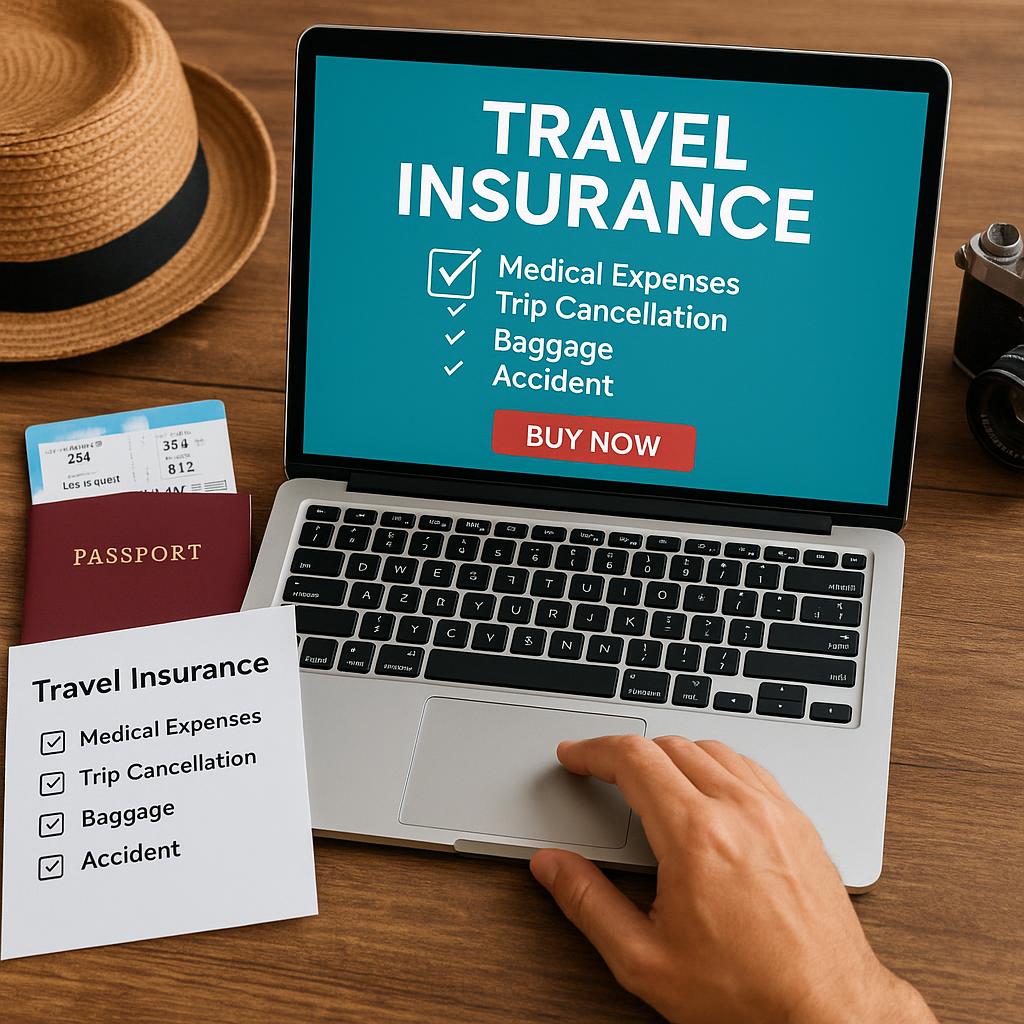
- Focus on essentials like medical coverage, trip cancellation, and baggage protection.
- Use clear criteria to simplify the selection for beginners.
Key Takeaways
- Identify the type and duration of your trip before selecting insurance.
- Understand policy terminology and common exclusions.
- Compare plans from multiple insurers to find the best fit.
- Beware of hidden fees and limited coverage areas.
- Read user reviews and seek professional advice when uncertain.
Pros & Cons
Pros of Travel Insurance
- Provides financial protection against unexpected events during travel.
- Offers peace of mind, allowing you to enjoy your trip worry-free.
- Includes emergency medical coverage often unavailable through your regular health insurance abroad.
- May cover trip cancellations, delays, lost or damaged luggage, and emergency evacuation.
Cons of Travel Insurance
- Insurance policies can be complex and confusing, especially for beginners.
- Certain pre-existing medical conditions or adventurous activities might be excluded.
- Costs vary widely and some plans may be expensive relative to the coverage.
- Claims can sometimes be denied due to fine print or unmet conditions.
Introduction
Travel insurance is essential for protecting yourself against unforeseen costs and emergencies on your trip. For beginners, the multitude of options, technical jargon, and policy variations can cause confusion. This guide breaks down the process, helping you choose coverage that matches your needs without overwhelm.
What Should I Consider When Choosing Travel Insurance?
- Destination and trip length: Some countries require specific coverage; longer trips generally need broader insurance.
- Activities planned: Adventure sports or physical activities may require specialized coverage.
- Health status: Pre-existing conditions may affect coverage options.
- Coverage priorities: Decide if medical protection, trip cancellation, baggage loss, or other safeguards matter most.
How Do I Understand Different Types of Travel Insurance?
- Single-trip insurance: Covers one specific trip.
- Annual multi-trip insurance: For frequent travelers; covers multiple trips within a year.
- Basic vs. comprehensive plans: Basic covers essentials like medical emergencies; comprehensive plans add coverage for cancellations, delays, and personal belongings.
- Specialized policies: Tailored products for seniors, business travelers, or adventure seekers.
Step-By-Step Guide to Choosing Travel Insurance
- Step 1: Document your trip details – destination(s), duration, planned activities.
- Step 2: Identify your coverage needs (medical, cancellations, personal items).
- Step 3: Research multiple reputable insurance providers to compare plans.
- Step 4: Examine the policy details carefully, focusing on coverage limits and exclusions.
- Step 5: Read independent reviews and customer experiences about the insurer’s claims process.
- Step 6: Ask questions directly to insurers to clarify uncertainties.
- Step 7: Purchase your chosen policy early and keep a digital and printed copy accessible during travel.
Examples of Choosing the Right Travel Insurance
- Example 1: A solo traveler on a week-long city trip opts for basic medical coverage plus baggage insurance, since they plan minimal activities and have travel flexibility.
- Example 2: A family vacationing abroad selects a comprehensive plan including trip cancellation, emergency assistance, and coverage for minor children to ensure broad protection.
- Example 3: An adventure sports enthusiast buying insurance that explicitly covers activities like skiing or scuba diving to avoid uncovered medical risks.
Common Pitfalls to Avoid
- Ignoring policy exclusions and hidden limitations which can lead to denied claims.
- Choosing the cheapest policy without verifying critical coverage areas.
- Failing to report pre-existing medical conditions as required.
- Waiting to buy insurance until very close to the departure date, losing coverage on early trip cancellations.
- Not keeping proper documentation or copies of the insurance policy, claims forms, and receipts.
Frequently Asked Questions (FAQ)
- Is travel insurance worth it for short trips? Yes, especially if traveling internationally or engaging in activities with inherent risks. Even short trips can involve emergencies or cancellations.
- How do I file a claim if something goes wrong? Contact your insurer promptly, provide documentation as requested (medical reports, receipts), and follow their claims procedure carefully.
- Can I buy travel insurance after starting my trip? Generally, no. Most policies require purchase before departure and may exclude coverage for issues occurring before purchase.
- Does travel insurance cover pandemics? Coverage varies widely; some policies exclude pandemics or require specific riders. Always check your policy’s terms.
- Can I insure pre-existing medical conditions? Some insurers offer coverage for stable pre-existing conditions if disclosed at purchase; others exclude them entirely.
- Will travel insurance cover lost passports? Some plans include support and financial compensation for such losses. Check specific policy details.
- Should I choose an annual multi-trip policy? If you travel multiple times a year, this can be cost-effective and convenient compared to buying insurance per trip.
Conclusion
- Choosing travel insurance need not be overwhelming. Begin with a simple assessment of your trip and coverage priorities.
- A methodical, informed approach helps you select a plan that suits your needs and budget.
- Always read the fine print, understand exclusions, and keep policy information handy.
- With proper preparation, travel insurance becomes an effective tool to safeguard your trip and bring peace of mind.
For more practical travel planning resources, explore related advice on how to budget your trip or avoiding hidden fees while traveling. To find and book accommodations as part of your travel plan, consider using trusted sources like Booking.com.