
Quick Answer
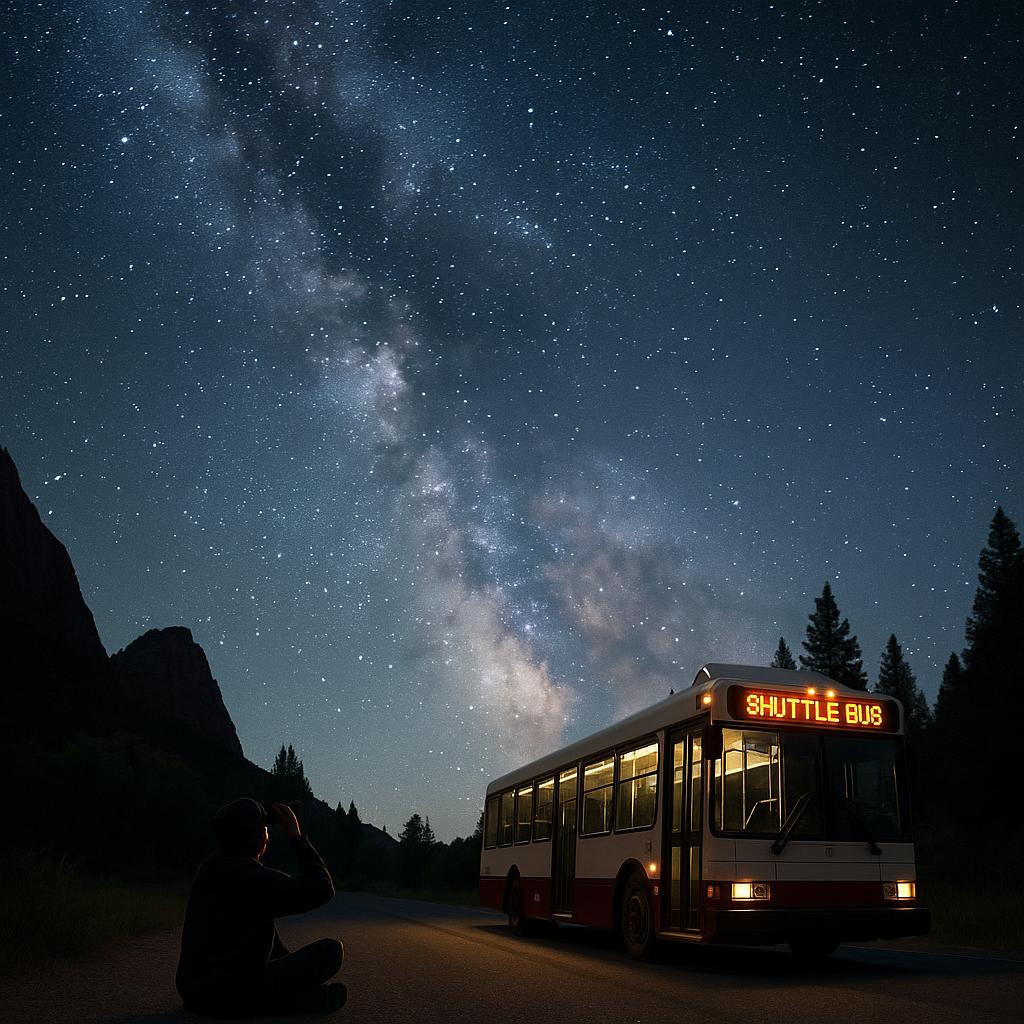
Best stargazing night outings accessible via public transport include national parks and dark sky reserves near major cities. Many popular locations offer shuttle services or are reachable by train and bus connections. Choosing destinations with low light pollution and clear weather significantly enhances the experience.
Key Takeaways
- Plan your trip around public transport schedules for smooth travel and timely returns.
- Check weather forecasts and moon phases to pick optimal stargazing nights.
- Many stargazing spots offer guided night tours accessible by public transit.
- Bring essential gear like warm clothes, star charts/apps, portable seating, and red-filtered flashlights.
Introduction
Stargazing offers a unique way to connect with the cosmos, encouraging relaxation and a heightened awareness of our night sky. Utilizing public transport to reach nighttime star-viewing locations not only foster eco-friendly travel but also expands access for those without cars. This guide aims to answer common questions regarding the best stargazing outings that can be conveniently reached via public transit.
What Are the Best Stargazing Locations Accessible by Public Transport?
- National Parks near Urban Centers with Shuttle Services: Locations such as Yosemite National Park in California or Joshua Tree often provide night shuttles from nearby towns, allowing visitors to reach dark sky areas without driving.
- Designated Dark Sky Parks or Reserves: Many countries have official Dark Sky Parks (e.g., Exmoor National Park in the UK, Mont-Mégantic Dark Sky Reserve in Canada) accessible via a combination of train and bus routes.
- Rural Observatories: Some observatories offer public viewing nights and are reachable by local buses or taxis (for example, Mont-Mégantic Observatory with train access nearby).
- Coastal and Island Sites: Coastal dark sky spots reachable by ferry or combined bus/train routes provide unique marine and celestial viewing experiences.
How to Plan a Stargazing Night Out Using Public Transport?
- Identify Suitable Locations: Start by researching dark sky parks and astronomy sites accessible via public transit.
- Check Transit Schedules: Verify bus, train, or shuttle timings, especially for night service and return trips.
- Reserve Tours or Shuttle Seats if Necessary: Some sites require advance booking for organized night tours or shuttle rides.
- Prepare Essential Gear: Include warm layered clothing, star maps or astronomy apps, red-filtered flashlights to preserve night vision, and comfortable foldable seating.
- Plan Return and Accommodation: Consider transit frequency late at night and if overnight stays are needed near the site.
Examples of Great Stargazing Locations Accessible by Public Transport
- Mauna Kea Visitor Center, Hawaii: Local public shuttles connect from Hilo and nearby towns to the visitor center, a prime dark sky site.
- Exmoor National Park, UK: Access via local buses from neighboring towns, with organized guided stargazing tours available.
- Griffith Observatory, Los Angeles: Reachable by city buses with frequent public viewing events and educational programs.
- Mont-Mégantic Dark Sky Reserve, Canada: Accessible via train to nearby towns combined with local taxis, this reserve hosts public astronomy nights.
Common Pitfalls and How to Avoid Them
- Overlooking Transit Night Schedules: Many transit systems reduce or cease service at night. Always confirm return schedules ahead of your trip.
- Underestimating Nighttime Temperature Drops: Night skies are cold, especially in high-altitude parks—wear warm layered clothing and bring blankets.
- Planning During Full Moon or Poor Weather: Bright moonlight and clouds hinder star visibility. Use lunar calendars and weather apps to select ideal stargazing nights.
- Insufficient Navigation Preparation: Dark, remote locations can be hard to navigate. Carry reliable flashlights (red light preferred) and download offline maps in advance.
Frequently Asked Questions
Is stargazing feasible without a telescope at these locations?
Yes, many popular dark sky areas provide excellent naked-eye viewing thanks to minimal light pollution. Some sites also offer public telescopes for enhanced experiences.
Are guided stargazing tours accessible by public transport?
Many dark sky parks and observatories organize guided tours reachable via public transit or included shuttle services.
What should I pack for a public transport stargazing outing?
Essential items include warm layered clothing, star maps or astronomy apps, red-filtered flashlight, portable seating, snacks, and water.
Can stargazing be done safely at night using public transport?
Yes, with proper planning around transit times, location safety, and preparation for darkness and temperature, public transport stargazing is safe and enjoyable.
What are good resources for finding public transport-accessible stargazing sites?
Official park websites, local transit authorities, and astronomy clubs typically provide updated info. Online platforms like the Dark Sky Finder are helpful.
Are there accommodations near stargazing spots accessible without a car?
Many dark sky parks have nearby towns with hotels or lodges accessible by public transport, allowing overnight stays close to observation areas.
How can I check the darkness quality of a location before visiting?
Use sky quality meter apps or consult light pollution maps available online to determine the darkness level of your chosen site.
Conclusion
Stargazing night outings using public transport offer an enriching, environmentally responsible way to explore the night sky. With careful planning concerning location choice, transit schedules, weather conditions, and gear preparation, these adventures are accessible and rewarding. Embrace a balance of convenience and exploration by discovering starry skies without the need for a private vehicle.
For accommodation options near stargazing sites reachable by public transit, consider booking through trusted platforms that support eco-conscious travel.