
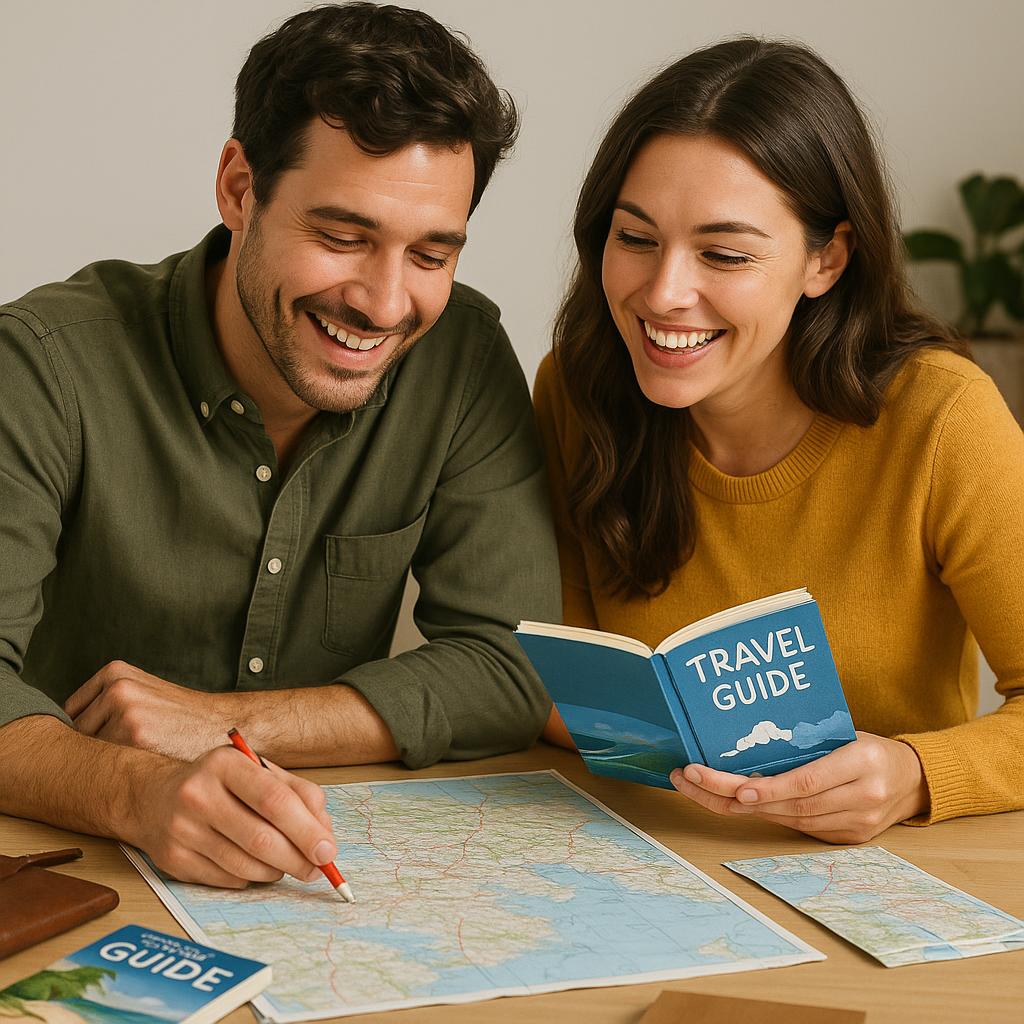
Quick Answer
- Start by discussing interests, budget, and timelines together.
- Research destinations that suit both partner’s preferences.
- Divide planning tasks based on strengths and interests.
- Create a flexible itinerary balancing activities and downtime.
- Communicate openly to avoid conflicts and ensure mutual enjoyment.
Key Takeaways
- Effective couples trip planning requires collaboration and compromise.
- Clear communication about desires, budget, and expectations is essential.
- Leveraging each partner’s strengths makes planning more efficient.
- Flexibility in the itinerary helps accommodate spontaneous changes.
- Common pitfalls include misaligned expectations and poor budgeting.
Introduction: Why Planning as a Couple Matters
- Trips deepen relationship bonds, making collaboration key.
- Aligning goals beforehand enhances enjoyment and minimizes stress.
- Planning together fosters shared excitement and accountability.
Step 1: Start With Open Communication
- Discuss preferred destinations, activities, and travel styles.
- Set clear budget boundaries together.
- Agree on travel dates that suit both schedules.
- Identify any non-negotiables or must-see experiences.
Step 2: Research and Choose the Destination Together
- Use travel guides, forums, and recommendation lists.
- Compare options that align with combined interests and budget.
- Consider travel logistics like distance, climate, and language.
Step 3: Divide Planning Responsibilities
- Assign research tasks based on personal strengths (e.g., accommodations, activities).
- Share findings regularly to stay coordinated.
- Schedule check-ins to make joint decisions.
Step 4: Create a Balanced Itinerary
- Include a mix of planned activities and free time.
- Balance partner interests to ensure mutual satisfaction.
- Plan logistics like transportation and meal options.
- Leave flexibility to accommodate mood and energy levels.
Step 5: Prepare for Travel and Contingencies
- Confirm bookings and document important details.
- Pack mindfully, considering each other’s needs.
- Discuss how to handle unexpected changes or conflicts.
Examples of Successful Couples Trip Planning
- Case 1: Dividing research and agreeing on a coastal destination for beach and hiking activities suited both partners’ interests.
- Case 2: Setting a strict budget and choosing a local getaway minimized planning stress and aligned with both schedules.
Common Pitfalls to Avoid
- Ignoring one partner’s preferences leading to dissatisfaction.
- Failing to set or stick to a realistic budget.
- Lack of communication causing misunderstandings or resentment.
- Over-scheduling without downtime resulting in fatigue.
FAQ
- How do we handle conflicting destination preferences?
Approach this by creating a list of all ideas, discussing why each destination appeals, and finding a compromise such as splitting the trip between locations or choosing a neutral option that offers variety. - What if one partner prefers spontaneous plans and the other likes structure?
Balance this by establishing a flexible itinerary: plan key activities but leave open blocks for spontaneous exploration, ensuring both preferences are valued. - How can we stick to a budget without feeling deprived?
Prioritize spending on shared priorities, substitute cost-effective alternatives for less important items, and maintain transparency about expenses to avoid surprises. - What if our travel styles differ significantly?
Communicate early about travel pace, must-haves, and non-negotiables. Find common ground or alternate days focusing on individual preferences. - How do we avoid conflicts during the trip?
Set expectations before traveling about decision-making and downtime. Agree to check in regularly and be open about feelings, employing compromise when disagreements arise. - Can we effectively plan if one partner is less interested in details?
Yes; assign more of the detailed tasks to the interested partner, but involve the other in key decisions to maintain joint ownership. - How to balance relaxation vs. sightseeing?
Discuss desired pace beforehand and alternate active days with rest days to keep both partners energized and satisfied.
Conclusion
- Planning a couples trip successfully hinges on teamwork, clear communication, and understanding.
- Balancing interests and allowing flexibility makes the journey enjoyable for both partners.
- With thoughtful preparation, couples trips become memorable experiences strengthening the relationship.
For an additional resource on finding the perfect accommodations during your trip, consider using Booking.com for a wide selection with reviews and flexible options.
Explore how to make the most of your planning process with guides like How to Plan a Family Trip with Kids for transferable strategies in collective planning, or How Do You Compare Hotel Locations and Save Money? to optimize your lodging choices together.