
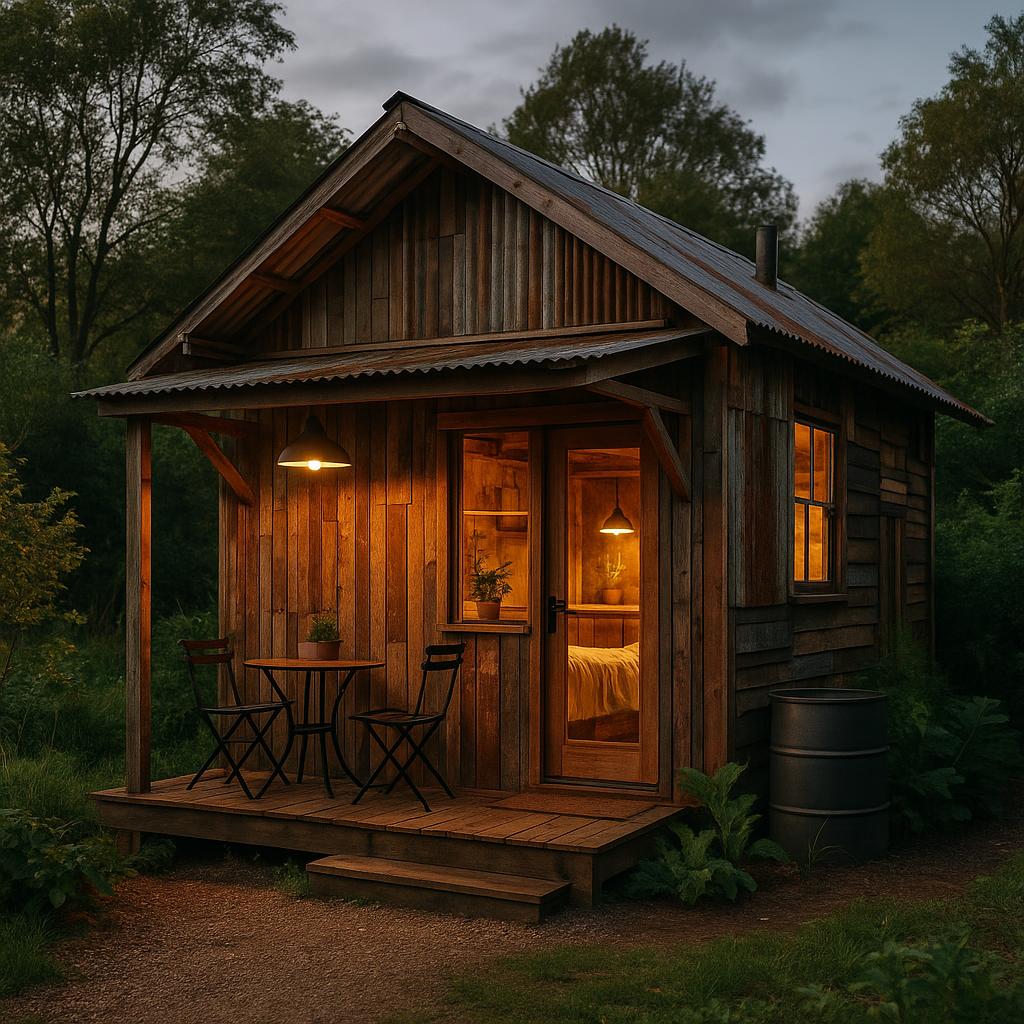
Quick Answer
Salvaged stays are eco-conscious accommodations created by repurposing existing or discarded structures instead of building new ones. Travellers in 2026 opt for them to reduce environmental impact, enjoy unique, authentic experiences, and support sustainable tourism.
Key Takeaways
- Salvaged stays reduce environmental footprints by reusing buildings.
- Travellers seek authentic, one-of-a-kind lodging experiences through salvaged stays.
- These stays support local communities and encourage responsible tourism.
- Challenges include variable comfort and fewer amenities than conventional hotels.
- Thorough research and planning help maximize benefits and avoid pitfalls.
People Also Ask
What exactly does ‘salvaged stays’ mean?
Salvaged stays are accommodations made from repurposed or reclaimed materials and structures—often converted from old buildings, containers, or abandoned sites—with an emphasis on sustainability.
Why are salvaged stays gaining popularity among travellers?
They offer eco-friendly lodging alternatives, unique experiences, cost-effectiveness, and support for local economies, aligning with the rising demand for sustainable, authentic travel in 2026.
Are salvaged stays safe and comfortable?
Many meet safety standards, but comfort levels vary depending on the property; travellers should carefully review accommodations and consider their personal needs.
Where can I find salvaged stays?
These are available worldwide, often in rural areas, urban redevelopment zones, or near eco-tourism sites. Travel platforms increasingly list them under sustainable or alternative lodging categories.
Do salvaged stays help the environment?
Yes, by lowering construction waste, reducing carbon footprints, and promoting resource efficiency, salvaged stays positively impact environmental sustainability.
FAQ
How do salvaged stays differ from traditional hotels?
Salvaged stays focus on reusing existing materials and structures to emphasize sustainability and uniqueness, while traditional hotels typically involve new construction with standardized designs.
Can I expect modern amenities in salvaged stays?
It varies; some offer full modern conveniences, while others maintain a rustic or minimalist style reflecting their reclaimed nature.
Are salvaged stays more affordable than conventional accommodations?
Often they are, due to lower construction and maintenance costs, but prices differ widely based on location and quality.
What should I consider when booking a salvaged stay?
Check safety standards, amenities, location, guest reviews, and the host’s sustainability practices to align with your expectations.
How do salvaged stays impact local communities?
They provide economic benefits, promote local culture, and encourage sustainable practices, fostering positive community engagement.
Do salvaged stays support sustainable tourism?
Yes, by minimizing new construction, conserving resources, and raising environmental awareness, they embody sustainable tourism principles.
Where can I learn more about sustainable lodging options?
Visit the Sustainable Travel International website for comprehensive insights into sustainable accommodations and travel practices.
Entity Glossary
- Salvaged Stays: Accommodations repurposed from existing structures or materials to reduce environmental impact.
- Sustainable Tourism: Travel that minimizes environmental, social, and economic impacts while promoting long-term ecological and cultural health.
- Repurposing: Reusing materials or buildings for a different purpose than originally intended.
- Eco-Conscious Traveller: A traveller who prioritizes environmental sustainability in their travel choices.
- Alternative Lodging: Non-traditional accommodations such as salvaged stays, treehouses, tiny homes, or eco-lodges.
- Carbon Footprint: The total greenhouse gas emissions caused directly or indirectly by an individual or organization.
- Authentic Experience: A genuine, culturally immersive, and unique travel experience distinct from mainstream tourism.
Table of Contents
- What Are Salvaged Stays?
- Why Are Travellers Choosing Salvaged Stays in 2026?
- Pros and Cons of Salvaged Stays
- How to Choose the Right Salvaged Stay
- Checklist for Booking a Salvaged Stay
- Common Mistakes to Avoid with Salvaged Stays
- Useful Tools and Resources
- Conclusion
What Are Salvaged Stays?
Salvaged stays transform discarded or existing structures—such as historic buildings, shipping containers, barns, or industrial spaces—into comfortable lodgings. This sustainable approach avoids new construction, reduces waste, and often preserves architectural character and cultural heritage. Rather than demolishing old sites, these stays breathe new life into them, giving travellers the opportunity to connect with places that have a story.
Why Are Travellers Choosing Salvaged Stays in 2026?
In 2026, travellers increasingly prioritize sustainability and authenticity. Salvaged stays deliver eco-conscious accommodations that offer distinctive alternatives to standard hotel rooms. They often feature unique locations, foster connections with local culture, and support community-based tourism. Growing climate awareness also encourages travellers to select lodging options that reduce their carbon footprint.
Pros and Cons of Salvaged Stays
Pros
- Environmental Benefits: Reusing structures conserves resources and cuts waste.
- Unique Experience: Provides character-rich environments unavailable in standard hotels.
- Community Support: Often involves local artisans, boosting local economies.
- Cost-Effective: Lower building and maintenance costs can mean more competitive pricing.
Cons
- Variable Comfort: Amenities may be limited compared to modern hotels.
- Availability: Inventory is often limited and booking less predictable.
- Accessibility: Some properties may not accommodate all guests fully.
How to Choose the Right Salvaged Stay
Research is essential when selecting a salvaged stay. Prioritize your comfort, location preferences, and any sustainability certifications. Read guest reviews to evaluate safety and satisfaction. Reach out to hosts with questions about facilities and accessibility. Consider the property’s history and local connections to enhance your experience.
Checklist for Booking a Salvaged Stay
- Confirm safety standards and any certifications.
- Review guest feedback for comfort, cleanliness, and convenience.
- Verify amenities align with your travel needs.
- Assess accessibility if mobility is a concern.
- Understand cancellation and refund policies.
- Check proximity to attractions and transportation.
- Ensure responsive communication with the host.
Common Mistakes to Avoid with Salvaged Stays
- Assuming uniform comfort: Comfort and amenities vary widely—verify before booking.
- Ignoring location: Some stays are remote with limited access to key sites or transit.
- Skipping reviews: Neglecting feedback can lead to surprises.
- Overlooking sustainability claims: Some properties may overstate eco-commitments.
- Failing to communicate: Early host contact prevents unmet expectations.
Useful Tools and Resources
- Sustainable Travel International – Comprehensive guidelines on eco-friendly travel and lodging.
- Eco Hotels Directory – A database of sustainable accommodations worldwide.
- Airbnb Sustainability – Explore sustainable lodging options and hosts.
- What Is Immersive Travel and Why Is It Growing So Fast? – Insights into authentic travel trends.
- Sustainable Business Travel Trends 2026 – Analysis of the eco-conscious movement in travel.
Conclusion
Salvaged stays offer a compelling accommodation choice in 2026 for travellers seeking environmentally responsible, authentic, and distinctive experiences. By embracing repurposed lodgings, guests reduce environmental impacts and contribute positively to local communities. While challenges like comfort variability and limited availability exist, careful planning and realistic expectations unlock meaningful stays off the beaten path. As travel embraces sustainability, salvaged stays remain an important trend for mindful travellers.
For more on immersive and sustainable travel trends, see BedroomChecker’s immersive travel guide and sustainable business travel trends article.