
Table of Contents
- Quick Answer: What Are Airline Safety Measures?
- What Are the Core Safety Measures in Airlines?
- How Do Regulatory Bodies Ensure Airline Safety?
- What Are Common Mistakes in Implementing Safety Measures?
- What Tools and Resources Support Airline Safety?
- Safety Measures: Pros and Cons
- Airline Safety Checklist
- FAQ: Airline Safety Measures
- Conclusion
Quick Answer: What Are Airline Safety Measures?
Airline safety measures encompass a comprehensive array of operational protocols, advanced technologies, and regulatory compliance standards aimed at preventing accidents and safeguarding passengers throughout all flight phases. These include stringent aircraft maintenance, pilot training, real-time monitoring, and emergency preparedness.
What Are the Core Safety Measures in Airlines?
Core airline safety measures rest on several key pillars:
- Aircraft Maintenance and Inspections: Scheduled and unscheduled maintenance detects wear and potential faults, following manufacturer guidelines and aviation authority requirements.
- Crew Training and Certification: Pilots, cabin staff, and ground personnel participate in continuous training, including simulator exercises, emergency drills, and human factors education.
- Safety Management Systems (SMS): Structured processes for hazard reporting, risk analysis, and mitigation ensure continuous improvement in operational safety.
- Operational Procedures and Checklists: Standardized checklists for pre-flight, in-flight, and post-flight routines minimize human error and enforce consistent protocol adherence.
- Technological Safeguards: Advanced avionics such as Terrain Awareness and Warning Systems (TAWS), Traffic Collision Avoidance Systems (TCAS), and automated flight controls elevate safety margins.
- Emergency Preparedness and Equipment: Aircraft are equipped with oxygen masks, life vests, evacuation slides, and crews are rigorously trained in emergency response techniques.
How Do Regulatory Bodies Ensure Airline Safety?
International and national aviation authorities maintain safety standards and oversight through:
- Certification and Audits: Approving aircraft designs, issuing airline operating certificates, and conducting periodic reviews to ensure ongoing compliance.
- Incident Investigation: Agencies such as the National Transportation Safety Board (NTSB) and the European Aviation Safety Agency (EASA) investigate accidents and enforce corrective measures.
- Standardization of Procedures: The International Civil Aviation Organization (ICAO) sets global safety standards implemented by member states to harmonize regulations and practices.
Image Details
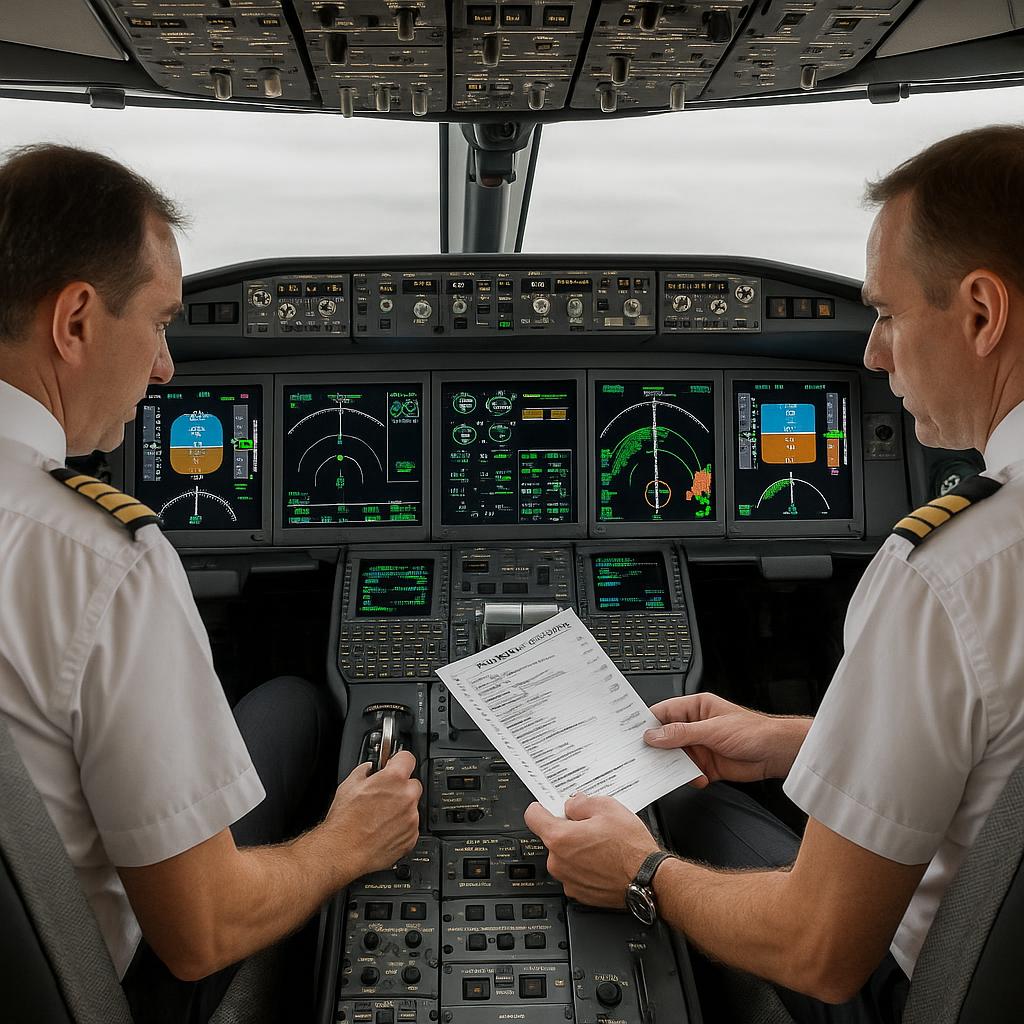
Prompt: Modern commercial airliner cockpit showing multiple safety monitoring systems and crew performing pre-flight checklist.
Alt Text: Cockpit of commercial airliner with safety instruments and pilots checking systems.
Caption: Advanced cockpit technology combined with rigorous crew protocols ensures flight safety from takeoff to landing.
What Are Common Mistakes in Implementing Safety Measures?
- Inadequate Communication: Poor communication between crew or between flight and ground teams can compromise safety.
- Checklist Fatigue: Rushing or skipping checklists due to routine familiarity may cause critical steps to be overlooked.
- Resistance to Reporting: Without a blame-free culture, reluctance to report minor incidents weakens safety management systems.
- Insufficient Training Refreshers: Lack of regular updates reduces proficiency with current safety protocols and emergency procedures.
What Tools and Resources Support Airline Safety?
- Flight Data Monitoring (FDM) Systems: Capture operational data to identify unsafe trends and prompt preventive measures.
- Safety Management Software: Facilitate documentation, risk assessments, and communication across airline operations.
- Training Simulators: Full-motion simulators recreate realistic flight conditions for effective crew training and certification.
- Regulatory Guidance Documents: Resources from agencies like the FAA outline compliance requirements.
- Incident Reporting Platforms: Systems enabling anonymous reporting of safety hazards foster transparency within and beyond airlines.
Safety Measures: Pros and Cons
| Pros | Cons |
|---|---|
| Enhance protection of passengers and crew. | Increase operational costs. |
| Reduce accidents and fatalities. | Require significant time and resources for extensive training. |
| Standardization improves global aviation consistency. | Complex regulations can delay implementation of innovations. |
| Data-driven insights foster continual safety improvements. | Overreliance on automation may degrade manual pilot skills. |
Airline Safety Checklist
- Ensure all maintenance follows manufacturer and regulatory standards.
- Conduct regular simulator and emergency response training for flight crews.
- Implement and maintain a robust Safety Management System with clear reporting paths.
- Verify operational checklists for accuracy and enforce consistent use.
- Use Flight Data Monitoring tools to detect and address safety concerns proactively.
- Confirm emergency equipment is functional and accessible before flights.
- Promote a safety culture emphasizing transparency and continuous improvement.
- Regularly review regulatory updates and adjust policies accordingly.
FAQ: Airline Safety Measures
1. How often is an aircraft required to undergo maintenance?
Maintenance intervals vary with aircraft type and regulations but typically include daily inspections, periodic comprehensive checks, and detailed overhauls at specified flight hours or calendar dates.
2. What role does pilot training play in airline safety?
Pilot training is essential, covering initial certification, recurrent courses, simulator exercises, and emergency procedures to maintain readiness and skill.
3. Can technology replace human oversight in flight safety?
While technology enhances safety through data and automation, human judgment remains crucial for managing complex and unforeseen scenarios.
4. What is the significance of a Safety Management System (SMS)?
SMS frameworks enable proactive hazard identification, risk analysis, and mitigation, fostering a culture focused on prevention rather than reaction.
5. How do airlines prepare for emergencies during flight?
Preparation includes comprehensive crew training, regular drills, equipment maintenance, and established emergency protocols to enable swift and effective response.
6. Are passengers adequately informed about safety procedures?
Regulations mandate clear safety briefings via demonstrations or videos before every flight to ensure passenger understanding of emergency protocols.
7. How do regulatory changes impact airline safety measures?
Regulatory updates reflect technological progress and lessons from incidents, requiring airlines to revise and enhance their safety procedures accordingly.
Conclusion
Airline safety measures integrate technical, procedural, and organizational elements. Their effectiveness relies on diligent maintenance, skilled personnel, and adherence to regulatory standards. Continuous refinement of these measures strengthens operational safety and fosters passenger confidence in air travel.