
Table of Contents
- Quick Answer: What to Expect When Traveling to Botswana
- Why Visit Botswana? Key Attractions and Unique Experiences
- When Is the Best Time to Visit Botswana?
- Essential Preparation: What to Pack and Plan Ahead
- Common Travel Mistakes in Botswana and How to Avoid Them
- Pro Travel Tips for an Optimal Botswana Experience
- Pros & Cons of Traveling in Botswana
- Botswana Travel Checklist
- Tools & Resources for Planning Your Trip
- Frequently Asked Questions
- Next Steps to Start Your Botswana Adventure
Quick Answer: What to Expect When Traveling to Botswana
Botswana delivers a premier safari experience with vast wilderness areas teeming with wildlife, including the Okavango Delta, Chobe National Park, and the Kalahari Desert. Expect well-organized tours, strong conservation efforts, and a tranquil atmosphere ideal for high-end ecotourism. Prepare for remote travel conditions and varied climate seasons, emphasizing safety and logistics.
Why Visit Botswana? Key Attractions and Unique Experiences
Botswana is a leader in conservation across Southern Africa, emphasizing low-impact, high-value tourism that preserves the environment without compromising quality. Top destinations include:
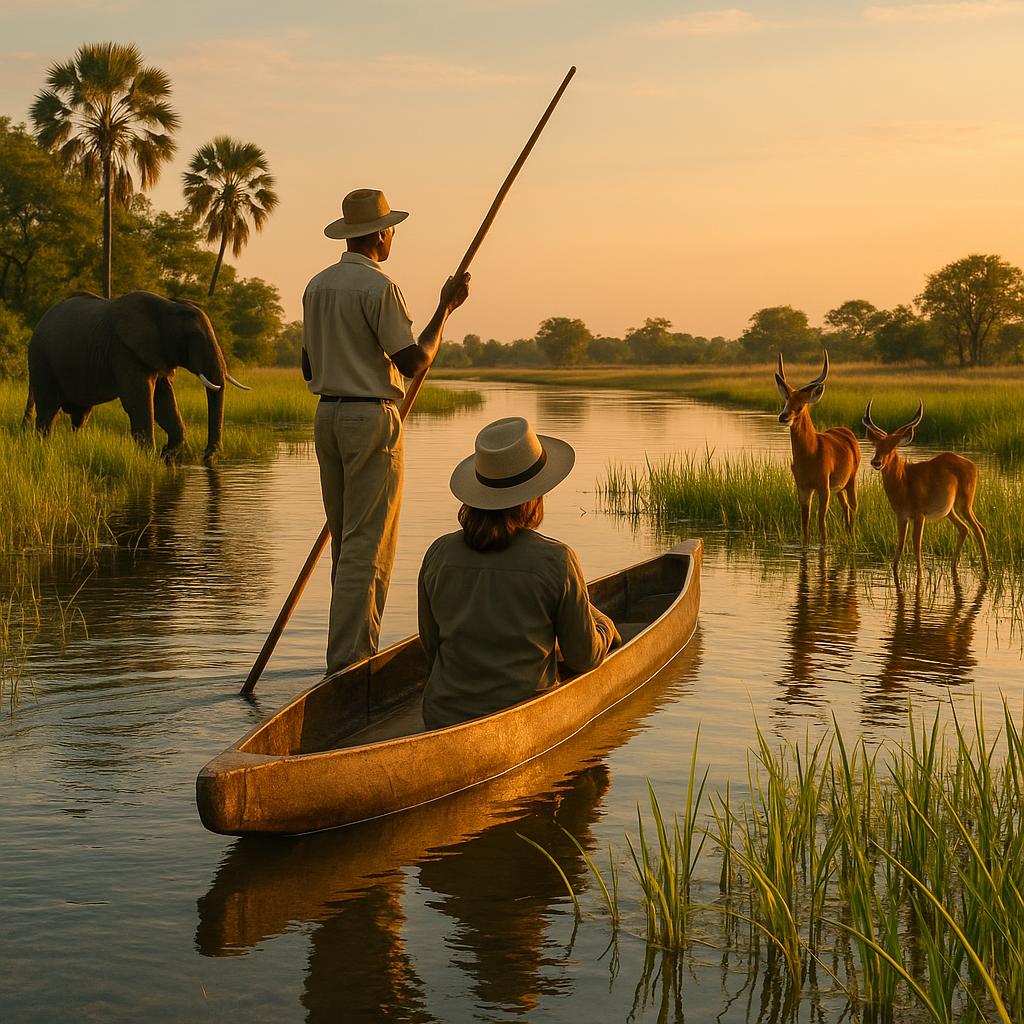
- Okavango Delta: One of the world’s largest inland deltas, offering extraordinary biodiversity and distinctive mokoro (dugout canoe) safaris.
- Chobe National Park: Famous for vast elephant populations and excellent game viewing along the Chobe River.
- Central Kalahari Game Reserve: Remote desert wildlife and authentic opportunities to engage with San culture.
- Makalali and Moremi Game Reserves: Diverse ecosystems that provide varied safari experiences.
Beyond wildlife, travelers can immerse themselves in local culture through visits to traditional villages and artisan markets, adding depth to the experience.
When Is the Best Time to Visit Botswana?
The dry season (May to October) is ideal for wildlife viewing as animals gather near water sources. The green season (November to April) features lush landscapes, excellent birdwatching, and fewer tourists, but comes with hotter temperatures and occasional rains. Choose your travel dates based on your primary activities—game drives or birdwatching—to maximize your experience.
Essential Preparation: What to Pack and Plan Ahead
Travel in Botswana often involves remote locations with limited amenities, making preparation essential:
- Lightweight, neutral-colored clothing suitable for warm days and cool nights.
- Insect repellent and malaria prophylaxis after consulting healthcare professionals.
- Binoculars, camera gear with zoom lenses, and sun protection (hat, sunglasses, sunscreen).
- Valid travel documents, international driving permits if self-driving, and required visas.
- Early booking of safari lodges and tours, as visitor numbers are carefully managed.
Common Travel Mistakes in Botswana and How to Avoid Them
- Underestimating remoteness: Assuming reliable mobile coverage or driving without accurate maps can create hazardous situations.
- Ignoring health precautions: Overlooking malaria prevention or failing to maintain hydration during excursions.
- Overpacking: Carrying heavy or unsuitable luggage for small aircraft charters and camp transfers.
- Lacking cultural sensitivity: Disregarding local customs or restrictions concerning wildlife and communities.
Pro Travel Tips for an Optimal Botswana Experience
- Hire local guides for in-depth knowledge and safer, more rewarding wildlife encounters.
- Combine visits to multiple parks, such as Okavango Delta’s waterways with Chobe’s riverside safaris.
- Stay at eco-lodges committed to sustainable practices to support authentic conservation efforts.
- Include buffer days to accommodate potential delays from charter flights or logistics.
- Consider private safaris for personalized itineraries and enhanced safety, especially for first-time visitors.
- Obtain comprehensive travel insurance that covers medical evacuation.
Pros & Cons of Traveling in Botswana
| Pros | Cons |
|---|---|
| World-class wildlife viewing paired with strong conservation ethics | Remote locations demand meticulous logistical planning |
| Low-impact tourism maintains pristine natural environments | Higher costs compared to many other safari destinations |
| Rich cultural experiences complemented by warm hospitality | Malaria risk and challenging climate during the green season |
| High-quality accommodations and professional guides | Limited public transportation; travel often requires flights or 4×4 vehicles |
Botswana Travel Checklist
- Valid passport and applicable visas
- Travel insurance including evacuation coverage
- Malaria prophylaxis and relevant vaccinations
- Binoculars and camera equipment
- Neutral, layered clothing for varying temperatures
- Sun protection and insect repellent
- Cash in Botswana pula (BWP) and payment cards
- Confirmed bookings for lodges and safaris
- Copies of important documents
- Offline maps and travel apps
Tools & Resources for Planning Your Trip
- Official Government of Botswana Tourism website for current travel advisories
- Offline GPS and safari mapping applications for navigation
- Local weather forecasts and disease prevention resources
- Certified professional safari tour operators
- Currency converters and budget planning tools
- Travel health clinics for pre-trip vaccinations
Frequently Asked Questions
- Is Botswana safe for independent travelers?
- Generally, yes. However, remote areas require thorough planning, trusted guides, and precautions related to wildlife and weather conditions.
- Do I need a visa to enter Botswana?
- Visa requirements vary by nationality. Many travelers from Western countries can obtain visas on arrival or enter visa-free for short stays; always verify before travel.
- What vaccinations are recommended before traveling?
- Routine vaccinations are advised, plus yellow fever if arriving from an endemic area; malaria prophylaxis is strongly recommended.
- Is it possible to visit Botswana on a budget?
- Botswana’s high-value tourism model means costs are generally higher than in neighboring countries, but tailored itineraries can balance experience and budget.
- Can I drive myself in Botswana?
- Yes, with a 4×4 vehicle, an international driving permit, and preparedness for off-road and remote driving conditions.
- What currency is used in Botswana?
- The Botswana pula (BWP) is the official currency; some businesses also accept South African rand.
- Are mobile networks reliable in Botswana?
- Coverage is generally good in urban and tourist areas but limited in remote reserves; plan accordingly with offline tools.
Next Steps to Start Your Botswana Adventure
- Research and book safari operators and lodges early to secure preferred dates.
- Consult a travel health specialist for vaccinations and medical advice.
- Finalize travel documents and visa arrangements.
- Prepare gear and ensure comprehensive travel insurance for remote travel.
- Use expert resources to plan your itinerary and support sustainable travel.
- Enhance your preparation with related guides such as Travel Hacks & Booking Strategy Guides and AI Travel Itinerary Planner.