
Table of Contents
- Quick Answer: What Are Cabin Stays & Nature-Forward Lodging?
- Why Choose Cabin Stays and Nature-Forward Lodging?
- What Defines Nature-Forward Lodging?
- Pros & Cons of Cabin Stays
- Common Mistakes When Booking Nature Lodging
- Pro Tips for an Exceptional Cabin Stay
- Cabin Stay & Nature-Forward Lodging Checklist
- Recommended Tools & Resources
- Frequently Asked Questions
- Conclusion & Next Steps
Quick Answer: What Are Cabin Stays & Nature-Forward Lodging?
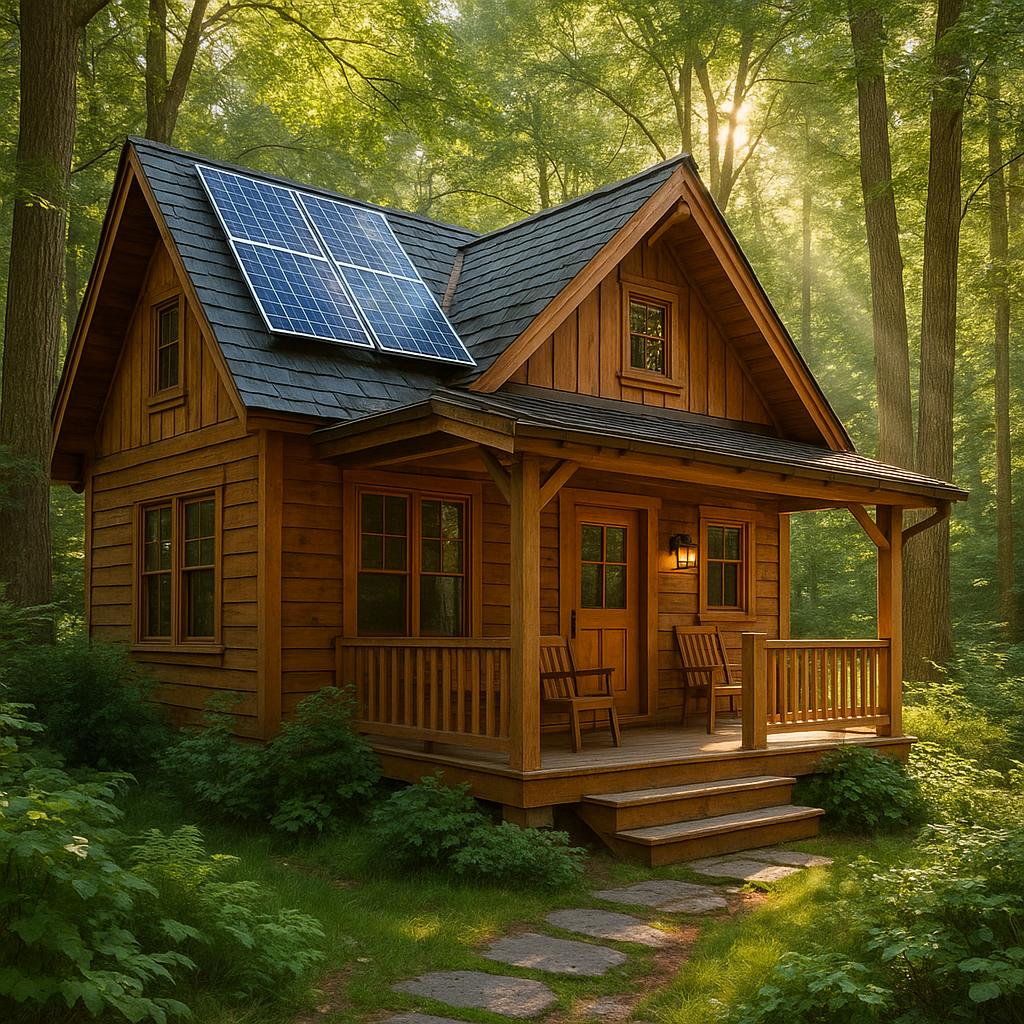
Cabin stays are accommodations typically set in wilderness or rural environments, offering rustic charm and direct immersion in nature. Nature-forward lodging integrates eco-conscious design and practices to minimize environmental impact, fostering a deeper connection between guests and their natural surroundings.
Why Choose Cabin Stays and Nature-Forward Lodging?
Cabin stays deliver an immersive escape that promotes relaxation and mental rejuvenation beyond urban settings. Nature-forward lodging enhances this experience by prioritizing sustainability through renewable resources, low-impact materials, and conservation efforts—benefiting both guests seeking genuine outdoor engagement and destinations focused on ecosystem preservation.
What Defines Nature-Forward Lodging?
- Eco-friendly materials and construction: Utilizing sustainably sourced wood, natural insulation, and local stone.
- Energy and water efficiency: Incorporating solar panels, low-flow fixtures, and rainwater harvesting.
- Waste reduction and recycling: Employing composting toilets, minimizing plastic use, and providing on-site recycling.
- Wildlife and habitat preservation: Avoiding development in sensitive areas and supporting native flora and fauna.
- Immersive nature integration: Maximizing natural light, outdoor living spaces, and trail access.
Pros & Cons of Cabin Stays
Pros
- Direct contact with nature supports wellness and reduces stress.
- Greater privacy and tranquility than typical hotels or resorts.
- Access to outdoor activities such as hiking, fishing, and stargazing.
- Supports local economies and offers authentic cultural experiences.
Cons
- Generally fewer amenities compared to urban accommodations.
- Challenges in access due to remote locations or limited transportation.
- Seasonal factors impacting accessibility and comfort.
- Variable standards require thorough vetting and research.
Common Mistakes When Booking Nature Lodging
- Neglecting location logistics: Failing to research access roads, emergency services, or nearby amenities.
- Overlooking environmental policies: Choosing lodgings without sustainable practices that protect the environment.
- Ignoring reviews: Missing guest feedback that reveals hidden issues or advantages.
- Unprepared for weather: Inadequately packing for outdoor and rustic conditions.
Pro Tips for an Exceptional Cabin Stay
- Book early: Limited availability and high demand improve choice and rates.
- Engage with hosts: Discuss sustainability measures, local insights, and special requirements.
- Pack sustainably: Bring reusable containers, biodegradable soaps, and practice leave-no-trace principles.
- Explore responsibly: Respect wildlife, stay on marked trails, and adhere to conservation guidelines.
- Use technology wisely: Download offline maps and resources to maintain connectivity in remote areas.
Cabin Stay & Nature-Forward Lodging Checklist
- Confirm accommodation’s sustainability credentials.
- Verify accessibility and transportation options.
- Review guest feedback for authenticity and insights.
- Prepare packing lists tailored to the season and planned activities.
- Have emergency contacts and safety information readily available.
- Plan activities that support environmental preservation.
- Bring devices with offline capabilities.
- Communicate any special needs or preferences with your host.
Recommended Tools & Resources
- Eco-friendly booking platforms: Use sites that emphasize sustainable accommodations.
- Offline GPS applications: Crucial for navigation where cellular service is unavailable.
- Environmental certification organizations: Entities like Green Key or LEED verify lodging sustainability.
- Local tourism boards: Provide region-specific guidance and opportunities.
- Travel gear planners: Apps or templates designed for wilderness travel preparation.
Frequently Asked Questions
What are the key benefits of nature-forward lodging?
They offer deep immersion in nature while minimizing environmental impact, enhancing guest wellbeing, and supporting conservation efforts.
How can I verify if a cabin stay is truly eco-friendly?
Check for certification logos, detailed sustainable practice disclosures, and guest reviews that confirm these claims.
Are cabin stays suitable for families or only adventurous travelers?
Many cabins accommodate families with a range of comfort and safety features; choose based on accessibility and requirements.
What preparations are necessary for remote cabin stays?
Research access routes, anticipate limited amenities, bring appropriate gear, and develop emergency plans.
Can nature-forward lodging reduce my travel’s ecological impact?
Yes. Such accommodations lower energy consumption, waste production, and habitat disruption.
Is it necessary to pay more for eco-friendly cabins?
Costs are often comparable when considering value and conservation benefits, though prices vary by location and amenities.
How do I ensure my stay does not harm local wildlife?
Follow host guidelines, avoid feeding animals, minimize noise, and stay on designated paths.
Conclusion & Next Steps
Your next steps:
- Assess your destination and seasonal conditions.
- Use sustainable lodging platforms or certifications to narrow choices.
- Plan transportation, packing, and emergency preparations.
- Communicate with hosts about sustainability and guest experience.
- Prepare to engage responsibly in the natural environment following local guidelines.
For further inspiration, explore our guides on Travel Tips for Digital Nomads, Hidden Gems in Major Cities, and the Top Sports Travel Destinations 2026 for broader context and ideas.