
Table of Contents
- Quick Answer: What Are the Best Urban Foodie Destinations?
- Where Are Urban Foodie Destinations Located?
- What Defines a Top Urban Foodie Destination?
- Pros and Cons of Exploring Urban Culinary Scenes
- Common Mistakes When Visiting Urban Foodie Destinations
- Pro Tips for Maximising Your Urban Foodie Experience
- Urban Foodie Destination Checklist
- Tools, Templates, and Resources for Food-Focused Travel
- Frequently Asked Questions
- Conclusion and Next Steps
Quick Answer: What Are the Best Urban Foodie Destinations?
The top urban foodie destinations are cities renowned for vibrant culinary scenes, diverse offerings, and progressive food culture. In the UK, London, Edinburgh, Leeds, and Brighton stand out, offering everything from traditional markets to innovative restaurants. Globally, cities such as Tokyo, New York, and Barcelona exemplify urban gastronomy excellence.
Where Are Urban Foodie Destinations Located?
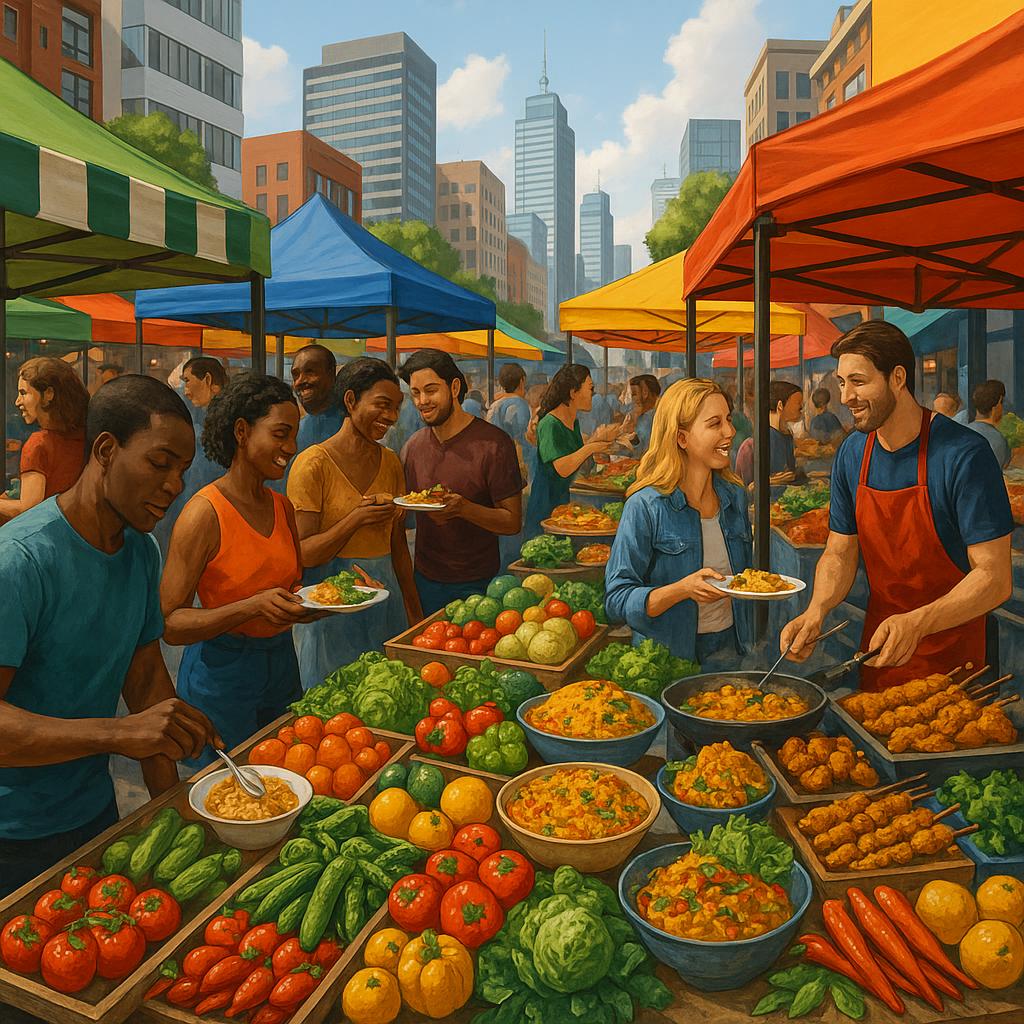
These destinations flourish in cosmopolitan hubs where cultural diversity, rich food heritage, and a dynamic hospitality sector converge. London exemplifies this with its iconic Borough Market alongside cutting-edge vegan eateries and multicultural dining. Edinburgh and Leeds are known for vibrant street food scenes and Michelin-starred restaurants.
Internationally, Tokyo merges centuries-old culinary tradition with modern gastronomy, New York offers authentic ethnic foods shaped by immigrant communities alongside experimental cuisine, and Barcelona enriches its scene with tapas bars and Catalan specialties.
What Defines a Top Urban Foodie Destination?
- Diverse Food Offerings: From street food and markets to fine dining.
- Cultural Authenticity: Genuine representation of local and immigrant culinary cultures.
- Innovation and Trends: Culinary scenes where chefs continually push boundaries.
- Accessibility: Easy navigation connecting food tours, eateries, and markets.
- Events and Festivals: Regular food festivals, pop-ups, and gastronomic events.
London’s markets and multicultural eateries and Edinburgh’s annual food festival showcase these defining traits effectively.
Pros and Cons of Exploring Urban Culinary Scenes
| Pros | Cons |
|---|---|
| Access to diverse cuisines and cultural experiences | Options can be overwhelming |
| Established and innovative dining choices | High costs at top-tier restaurants |
| Opportunities to sample authentic local dishes | Tourist traps with compromised quality in some areas |
| Participation in food events and festivals | Busy venues requiring advance reservations |
Common Mistakes When Visiting Urban Foodie Destinations
- Not planning ahead or booking popular restaurants too late.
- Relying solely on mainstream tourist guides without local input.
- Overlooking street food and markets in favor of fine dining only.
- Neglecting dietary preferences and allergen considerations.
- Overloading itineraries, leaving little room for spontaneous discoveries.
Pro Tips for Maximising Your Urban Foodie Experience
- Research and map markets, specialty shops, and neighbourhood eateries before arrival.
- Use local food blogs and social media for current recommendations.
- Select food tours balancing customer reviews with expert local guides.
- Book reservations early, especially for Michelin-starred or popular venues.
- Stay flexible to accommodate last-minute finds or signature dishes.
- Plan dietary needs in advance and communicate clearly with venues.
Urban Foodie Destination Checklist
- Identify your culinary interests: markets, street food, fine dining, or cultural cuisine.
- Locate key neighbourhoods renowned for their food scenes.
- Research local food events occurring during your visit.
- Secure restaurant bookings several weeks ahead when possible.
- Plan public transport or walking routes linking food destinations.
- Prepare accepted payment methods (card, cash, mobile pay).
- Arrange accommodation near your main food hotspots.
- Pack suitable attire and luggage for urban exploration.
Tools, Templates, and Resources for Food-Focused Travel
- Travel Apps: Google Maps for navigation; Yelp and TripAdvisor for live reviews.
- Food Guides: Michelin Guide app; local food blogs and publications.
- Booking Platforms: OpenTable, Resy, or official websites for reservations.
- Itinerary Templates: Customisable planners like the Trip Planner to Create Your Perfect Itinerary.
- Social Media: Instagram hashtags and food influencers for current trends.
Frequently Asked Questions
What makes an urban food scene truly authentic?
Authenticity stems from faithfully representing local culinary traditions, using indigenous ingredients, and incorporating immigrant food cultures that mirror the city’s demographics.
How can I avoid tourist traps while exploring urban foodie destinations?
Seek local recommendations, explore neighbourhood markets, and avoid tourist-heavy areas during peak times. Local guides and food blogs are essential resources.
Are street food markets safe to eat at in major cities?
Yes, when choosing busy stalls with high turnover and visible hygiene standards. Trust your senses and local advice to make informed choices.
When is the best time to visit urban foodie destinations?
Shoulder seasons offer mild weather and fewer crowds. Food festivals and harvest periods further enhance the experience.
Can I find good vegetarian or vegan options in urban foodie destinations?
Absolutely. Many urban centres excel in plant-based dining innovation. Research ahead and look for dedicated vegetarian and vegan establishments.
Should I tip in restaurants in the UK?
Tipping 10-15% is customary for good service, but always check if a service charge is included on the bill.
Conclusion and Next Steps
Urban foodie destinations offer unrivalled opportunities to explore culture through cuisine. To maximise your experience, plan strategically, blend traditional and contemporary culinary ventures, and remain adaptable. Start by choosing a city that aligns with your culinary interests—whether traditional markets or haute cuisine—and use the provided checklist and tips to prepare thoroughly.
For UK travellers, consider exploring East Coast food scenes or pairing your culinary journey with cultural excursions such as the Versailles day trip from Paris. The Trip Planner is a valuable tool to streamline your itinerary.