
Quick Answer
Turkey is celebrated for its rich history, breathtaking landscapes, and vibrant culture. Highlights include Istanbul’s iconic landmarks such as Hagia Sophia, the surreal fairy chimneys of Cappadocia, the ancient ruins of Ephesus, authentic Turkish cuisine, and the serene Turquoise Coast.
Key Takeaways
- Turkey uniquely blends Eastern and Western influences with diverse historical sites and natural beauty.
- Istanbul is essential for its Ottoman and Byzantine heritage.
- Cappadocia offers distinctive landscapes and renowned hot air balloon experiences.
- Ancient cities like Ephesus showcase Turkey’s archaeological richness.
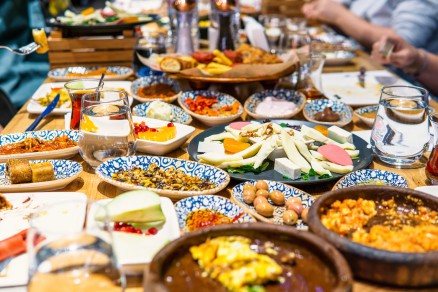
- Turkish cuisine is diverse and integral to the cultural journey.
People Also Ask
What are the must-see historical sites in Turkey?
Notable sites include Istanbul’s Hagia Sophia and Topkapi Palace, the ruins of Ephesus, Cappadocia’s rock churches, and Pamukkale’s travertine terraces.
When is the best time to visit Turkey?
Spring (April to June) and autumn (September to November) provide mild weather and fewer crowds, ideal for sightseeing and outdoor activities.
Is Turkey safe for solo travelers?
Turkey is generally safe for solo travelers, though standard precautions apply. Female travelers should review specific safety tips to ensure a comfortable stay.
What cultural experiences should I not miss in Turkey?
Must-experiences include a traditional Turkish bath (hamam), attending a Whirling Dervishes ceremony, sampling street food, and exploring local bazaars for handicrafts.
How can I travel between major Turkish cities?
Turkey’s extensive domestic flight network connects major cities like Istanbul, Ankara, and Izmir. Buses and trains are reliable alternatives for intercity travel.
FAQ
Do I need a visa to visit Turkey?
Many nationalities require a visa or e-Visa; verify requirements through official government sources before traveling.
What currency is used in Turkey?
The Turkish Lira (TRY) is the official currency. Credit cards are widely accepted in urban areas, but cash is recommended for markets and small vendors.
Are English speakers common in Turkey?
English is commonly spoken in tourist centers, hotels, and major cities, but less so in rural regions.
What local dishes should I try in Turkey?
Popular dishes include kebabs, mezes, baklava, Turkish delight, and regional specialties like Cappadocia’s testi kebabı.
Is it customary to bargain in Turkish markets?
Bargaining is traditional in bazaars and local markets; always do so politely and respectfully.
Can I drink tap water in Turkey?
Bottled water is recommended to avoid potential stomach issues.
What electrical plugs are used in Turkey?
Turkey uses type F plugs with a 220V, 50Hz power supply.
Entity Glossary
- Hagia Sophia: Historic Byzantine cathedral and Ottoman mosque in Istanbul, now a museum noted for its architecture.
- Cappadocia: Region famed for distinctive rock formations, underground cities, and hot air balloon rides.
- Ephesus: Ancient Greek city with well-preserved ruins, including a vast amphitheater and Library of Celsus.
- Turquoise Coast: Southwestern coastline known for clear blue waters and scenic beaches.
- Turkish Bath (Hamam): Traditional steam bath experience featuring scrubbing and massages.
- Whirling Dervishes: Sufi spiritual ceremony marked by spinning dance as meditation.
- Bazaar: Traditional market offering spices, textiles, and handicrafts.
Quick Answer
Turkey blends history, culture, and nature seamlessly. Top activities include touring Istanbul’s landmarks, hot air ballooning over Cappadocia, exploring ancient sites like Ephesus, savoring Turkish cuisine, and unwinding on the Turquoise Coast.
Key Takeaways
- Turkey stands at a crossroads of civilizations, offering diverse attractions.
- Istanbul remains a central hub for culture and history.
- Cappadocia delivers unique outdoor and visual experiences.
- Archaeological sites illuminate Turkey’s deep past.
- Local cuisine and traditions enrich the travel experience.
Table of Contents
- Must-See Attractions in Turkey
- Best Time to Visit Turkey
- Unique Cultural Experiences
- Practical Travel Tips
- Pros and Cons of Traveling in Turkey
- Common Travel Mistakes
- Travel Checklist
- Useful Resources
Must-See Attractions in Turkey
Turkey offers a striking mix of imperial heritage and natural wonders. Istanbul’s Hagia Sophia and Topkapi Palace showcase Byzantine and Ottoman grandeur. This expert guide provides in-depth details.
Cappadocia captivates with its surreal rock formations and dawn balloon flights. The ancient city of Ephesus features remarkable Greco-Roman monuments, while Pamukkale enchants with thermal terraces.
The Turquoise Coast offers pristine beaches and crystal-clear waters perfect for sailing and diving.

Best Time to Visit Turkey
Spring (April to June) and autumn (September to November) provide comfortable temperatures and less crowded attractions, ideal for exploration. Summers can be busy along the coast, while winters are suitable for cultural visits and skiing in eastern regions.
Unique Cultural Experiences
Immerse yourself in Turkish traditions by visiting a hamam for a classic Turkish bath, witnessing the Whirling Dervishes’ spiritual dance, and tasting street foods such as simit and köfte. Explore bazaars for handmade carpets, spices, and ceramics, and connect with local artisans.
Practical Travel Tips
- Utilize domestic flights to efficiently cover vast distances.
- Learn basic Turkish greetings and bargaining phrases.
- Carry cash alongside credit cards, especially outside major cities.
- Respect local customs and dress modestly at religious sites.
- Use bottled water to stay hydrated and avoid stomach issues.
Pros and Cons of Traveling in Turkey
- Pros: Rich heritage, varied landscapes, exceptional cuisine, and welcoming hospitality.
- Cons: Language barriers in rural areas, inconsistent infrastructure beyond cities, and crowded popular destinations during peak seasons.
Common Travel Mistakes
- Underestimating travel time between distant regions.
- Trying to see too much, leading to rushed visits.
- Neglecting local customs, particularly in mosques.
- Failing to bargain in markets and missing better prices.
- Assuming universal credit card acceptance without sufficient cash.
Travel Checklist
- Passport and visa (if applicable)
- Turkish Lira and credit/debit cards
- Suitable clothing (light layers; modest attire for religious sites)
- Travel guidebook or itinerary planner
- Phrasebook or language app for Turkish basics
- Travel insurance documents
- Camera or smartphone with charger and Type F adapters
- Reusable water bottle and basic first aid kit
Useful Resources
- AI Travel Itinerary Planner for organized trip planning.
- Safety Tips for Solo Female Travelers in Turkey.
- Travel Hacks & Booking Strategies for budget-friendly options.
- Hidden Gems in Major Cities to discover lesser-known attractions.
People Also Ask
- What are the must-see historical sites in Turkey? Highlights include Hagia Sophia, Topkapi Palace, Ephesus, and Cappadocia’s rock churches.
- When is the best time to visit Turkey? Spring and autumn offer optimal weather and fewer tourists.
- Is Turkey safe for solo travelers? Generally yes, with usual travel precautions advised.
- What cultural experiences should I not miss? Turkish baths, Whirling Dervishes, and bazaars are essential.
- How can I travel between major cities? Domestic flights, buses, and trains provide convenient options.
Frequently Asked Questions (FAQ)
- Do I need a visa to visit Turkey?
- Visa or e-Visa requirements vary by nationality; check official sources before traveling.
- What currency is used in Turkey?
- The Turkish Lira is official; cards work well in cities, but cash is necessary for markets.
- Are English speakers common in Turkey?
- English is widespread in tourist zones but limited in rural areas.
- What local dishes should I try?
- Kebabs, mezes, baklava, and regional specialties like testi kebabı are recommended.
- Is bargaining expected in markets?
- Yes, it is part of the shopping culture.
- Can I drink tap water?
- Prefer bottled water to avoid stomach discomfort.
- What electrical plugs are used?
- Type F plugs, 220V at 50Hz.
Entity Glossary
- Hagia Sophia
- Iconic Byzantine cathedral turned Ottoman mosque in Istanbul, renowned for its grand dome and rich history.
- Cappadocia
- Region known for unique rock formations, underground cities, and famous hot air balloon rides.
- Ephesus
- Ancient city with exceptionally preserved Greco-Roman ruins including an amphitheater and library.
- Turquoise Coast
- Mediterranean shoreline famed for clear waters and scenic beaches.
- Turkish Bath (Hamam)
- Traditional bathhouse offering steam baths and massages.
- Whirling Dervishes
- Sufi spiritual ceremony involving meditative spinning dance.
- Bazaar
- Traditional marketplace selling spices, textiles, and handcrafted items.